

You want to make your home bed safer for seniors after surgery. Start by adjusting bed height, adding bed safety rails, and using non-slip mats. Remove clutter and improve lighting. Keep essentials within reach to support daily care. Overbed tables and step stools can help with transfers. These changes boost comfort and support recovery. When you focus on home bed safer solutions, you give seniors the safety and support they need for better care after surgery.
Key Takeaways
Change the bed height so seniors can get in and out safely. Their feet should reach the floor when they sit on the edge.
Put bed safety rails on to help seniors and stop falls. The rails give support when seniors move or turn in bed.
Use mats that do not slip and take away things that can trip someone. This makes the area safer, especially near the bed and bathroom.
Keep important things like water, glasses, and phones close by. This helps seniors not have to stretch or get up often.
Make lighting better with nightlights so seniors can see at night. This helps them walk safely and not fall.
Assessing Safety Needs for Post Surgery Recovery
Identifying Mobility and Health Risks
It is important to know what problems seniors face after surgery. Recovery can be hard and bring new problems. Many seniors get tired faster because they stay in bed a lot. Pain can be hard to control, and medicine can sometimes make them confused. Seniors may also feel worried or scared about needing help. You might see changes in how they move or keep their balance. Seniors can fall more easily, especially if they have other health problems.
Common risks during post surgery recovery care:
Getting tired from being in bed
Feeling pain or being uncomfortable
Problems with taking medicine
Feeling sad or worried
Falling down more often
Healing after surgery is not just about the body. You also need to watch for problems from anesthesia and pain medicine. These can slow down healing and make it harder to move.
Spotting Bedroom Fall Hazards
Getting the home ready is very important after surgery. You should look for things in the bedroom and nearby that could cause falls. Clutter, bad lighting, and loose rugs can be dangerous. Make sure the path is clear and things are easy to reach. Check this table to see what hazards are common:
Hazard Type | Description |
|---|---|
Loose throw rugs | Can cause tripping and falls. |
Poor bathroom grab bar placement | Increases risk of falls in the bathroom. |
Dim hallway lighting | Reduces visibility, leading to potential falls. |
Cluttered stairways | Can obstruct movement and lead to falls. |
High shelving | Requires step stools, increasing fall risk. |
Lack of handrails | Essential for stability when navigating stairs. |
You can make things safer by picking up clutter, making lights brighter, and adding grab bars. These changes help seniors move around and heal better.
Consulting Healthcare Providers
You should always talk to healthcare providers about recovery care. They know what safety steps are best for each senior. Providers often say to use equipment first when moving someone. They suggest lifts for seniors who cannot move safely. If a senior can move a little, they use gait belts and careful movements. Slide sheets or pads help move someone in bed. Before moving a senior, check how well they can move, clear the way, and get equipment ready.
Tip: Getting a safety check helps you know what to change at home. When you find fall hazards, you can fix them. Looking at lighting, bathroom safety, and entryways helps seniors get better and stay safe.
Seniors get the best care when you use expert advice and make the home safer.
Essential Home Bed Safety Modifications with Vatocare
Adjusting Bed Height for Easy Access
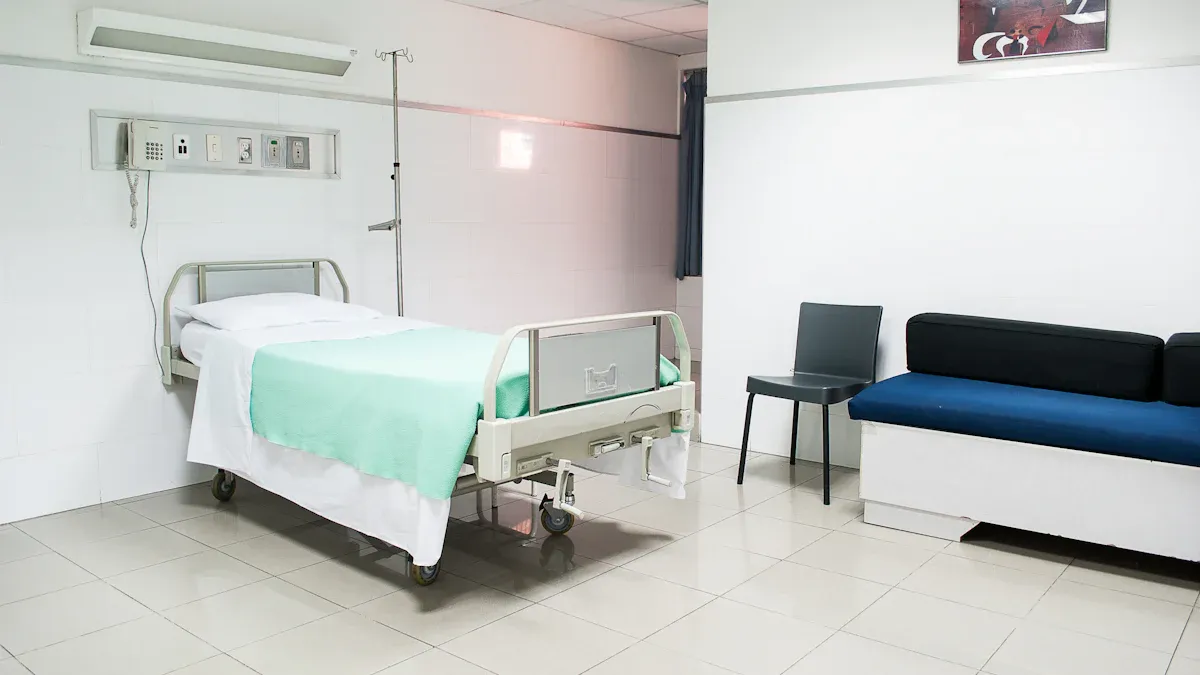
You want to make getting in and out of bed easier for seniors after surgery. Adjusting the bed height helps with recovery and healing. If the bed sits too high or too low, seniors may struggle to move safely. You can use a Vatocare hospital bed or nursing bed to set the right height. These beds let you change the height so seniors can swing their legs and stand up without falling. When you choose the right bed height, you support mobility and comfort. You also help seniors feel more confident during recovery.
Tip: Check the bed height by having seniors sit on the edge. Their feet should touch the floor flat, and their knees should bend at a natural angle. This simple check makes the home safer and supports healing.
Installing Vatocare Bed Safety Rails
Bed safety rails play a big role in preventing falls after surgery. You can install Vatocare rails to give seniors extra support when moving or turning in bed. These rails help seniors grab onto something sturdy, which boosts their mobility and confidence. Vatocare bed assist rails are strong and easy to use. They fit many bed types and help keep seniors safe during recovery. You can also use rails to help seniors sit up or shift positions, making healing easier.
Factor | Description |
|---|---|
Mobility Level | Assess the senior’s ability to move independently and safely. |
Home Layout | Think about the space and accessibility in your home. |
Medical Conditions | Understand health issues that affect safety needs. |
Caregiver Availability | Look at the support system for help and supervision. |
When you pick rails, look at these factors. Vatocare offers rails that match different needs and home setups. You help seniors stay safe and comfortable during recovery.
Using Non-Slip Mats and Removing Trip Hazards
You can prevent falls by using non-slip mats and clearing trip hazards from the bedroom. Many falls happen when seniors get out of bed or walk to the bathroom at night. Non-slip mats keep the floor steady and reduce slipping. Removing trip hazards makes the home safer and supports healing. Here are some ways to make the bedroom safer:
Use nightlights between the bedroom and bathroom
Clear clothing, shoes, and cords from the floor
Make sure the bed is easy to get into and out of
Avoid blankets or bedding that hang onto the floor
Keep a cane or walker within reach
Use a stable nightstand that does not move when touched
You help seniors recover by making the home safer and removing trip hazards. These steps support mobility and healing after surgery.
Improving Lighting for Nighttime Safety
Good lighting helps seniors move safely at night. You can add nightlights in the bedroom and hallway to make paths clear. Bright lights help seniors see where they are going and avoid falling. You can use lamps with easy switches so seniors do not struggle to turn them on. Vatocare beds fit well in rooms with improved lighting, making recovery smoother. When you improve lighting, you help seniors feel safe and comfortable in their home.
Note: Place nightlights near the bed and along the path to the bathroom. This simple change supports healing and makes the home safer for seniors after surgery.
Supportive Equipment for Home Care After Surgery
Adding Vatocare Overbed Tables and Step Stools
You want to help seniors do daily things after surgery. Overbed tables from Vatocare are very useful. Seniors can eat, read, or keep things close on these tables. The tables can go higher or lower for comfort. Step stools from Vatocare also make home care easier. These stools have surfaces that do not slip and strong frames. Seniors use them to get in and out of bed safely. Picking the right mobility aids gives better support at home.
Providing Grab Bars and Assist Poles
Grab bars and assist poles are good for recovery after surgery. You can put them near the bed or in the bathroom. These tools give seniors extra help and make moving safer. Here is how they help at home:
Grab bars give support and keep seniors steady.
Assist poles make moving around the house easier.
Both lower the chance of falls and make things safer.
These tools help seniors feel more independent as they heal.
You can add grab bars in the bathroom to keep seniors safe while they recover.
Organizing Essentials Within Reach
You should keep important things close to seniors. Put water, medicine, glasses, and the phone on the overbed table. This setup helps with care and makes things easier after surgery. Use baskets or small bins to keep items neat. When things are close, seniors do not have to reach far. This lowers the chance of falling and helps healing. Seniors feel safer and more sure of themselves during recovery.
Using Call Buttons and Alert Systems
Call buttons and alert systems are important for recovery after surgery. These devices let seniors ask for help quickly. You can choose alert systems that fit your home care plan. Here is what to look for:
Feature | Description |
|---|---|
Waterproof | The alert button works in water and does not need charging. |
Emergency Response | Connects to a team that can call family or services for help. |
Range | Works with the base station up to 1,000 feet away. |
Ease of Use | Big button is easy to press in an emergency. |
When you add these safety tools, seniors feel calm. They know help is always close by during recovery.
Safe Transfers and Ongoing Recovery Support
Bed Transfer Techniques for Caregivers
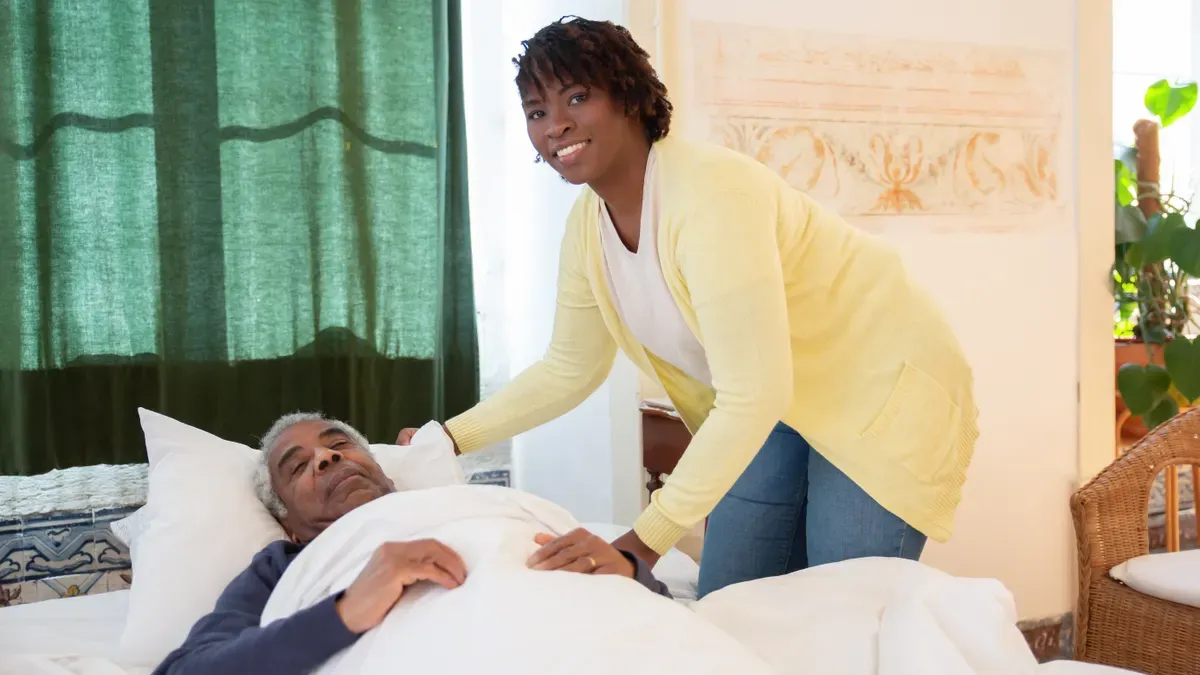
Helping seniors move in and out of bed after surgery needs patience. You must follow careful steps to keep them safe. First, clear the space around the bed. Put a strong chair or step stool close by if needed. Always talk to the senior before you start. Tell them what you will do next. Hold their back and legs as they move their feet to the floor. Use both hands to help them stay steady. If you use a vatocare bed, adjust the height so their feet touch the ground. This makes transfers safer and helps seniors recover. Remember, pain and movement are important during recovery.
Training and Communication
Caregiver training programs can help you learn new skills. These programs show you how to care for seniors and keep them safe at home. Here is what you can learn:
Training Component | Description |
|---|---|
Personal Care Techniques | Safe help with bathing, dressing, grooming, and moving. |
Safety & Fall Prevention | Spotting hazards and stopping falls. |
Dementia & Alzheimer’s Care | Ways to talk with memory-care clients. |
Infection Control | Keeping everyone safe from germs. |
Communication & Professionalism | Building trust and working well with others. |
Abuse Prevention & Reporting | Knowing when and how to report problems. |
Medication Assistance Basics | Helping with medicine reminders. |
ADL Support Techniques | Helping with daily tasks to keep seniors independent. |
Talking clearly with seniors and other caregivers makes recovery easier. You build trust and help everyone feel safe during recovery.
Monitoring and Adjusting Safety Measures
You should check safety steps often while seniors recover. Watch for changes in how seniors move or feel. If you see new pain or trouble breathing, act fast. Check oxygen levels often after chest or belly surgery. This helps you find problems early and keep recovery going well. Family and caregivers help make recovery safer at home:
They give support and do not leave seniors alone.
They help with safe transfers and stop falls.
They help with hygiene and keep the bed clean.
Keep talking to healthcare providers and change your care plan as needed. Regular updates help you give the best care after surgery at home.
You can help seniors recover at home by making things safer. Adjust the bed so it is easy to use. Add safety rails to help them move. Keep the area around the bed clear and tidy. Use good products like Vatocare for extra support. This gives seniors peace of mind and helps them feel safe. Here are some benefits of using trusted equipment:
Recovery at home lets you rest more easily.
You lower the chance of getting infections.
You get help with daily care and comfort.
You feel less worried while you heal.
Purpose | |
|---|---|
Geriatric assessments | Help with medical needs |
Medication reviews | Make sure medicine is safe |
Mobility programs | Help you get stronger |
Discharge planning | Make going home safer |
Keep watching for changes in care needs at home. You make a safe place for healing and help seniors every day.
FAQ
How do I know if my senior needs bed safety rails?
You should watch for trouble getting in or out of bed. If your senior rolls or shifts a lot at night, rails help. Ask their doctor for advice. Vatocare rails add extra support and peace of mind.
What is the best way to adjust bed height?
Sit your senior on the bed edge. Their feet should touch the floor flat. Knees should bend at a right angle. Vatocare beds let you change the height easily for safe transfers.
Can I use regular mats instead of non-slip mats?
Regular mats can slide and cause falls. Non-slip mats stay in place and keep seniors safe. You should pick mats made for safety, especially near the bed and bathroom.
What should I keep on the overbed table?
You can keep these items close:
Water bottle
Glasses
Phone
Medicine
Tissues
This setup helps your senior reach what they need without stretching or getting up.
