
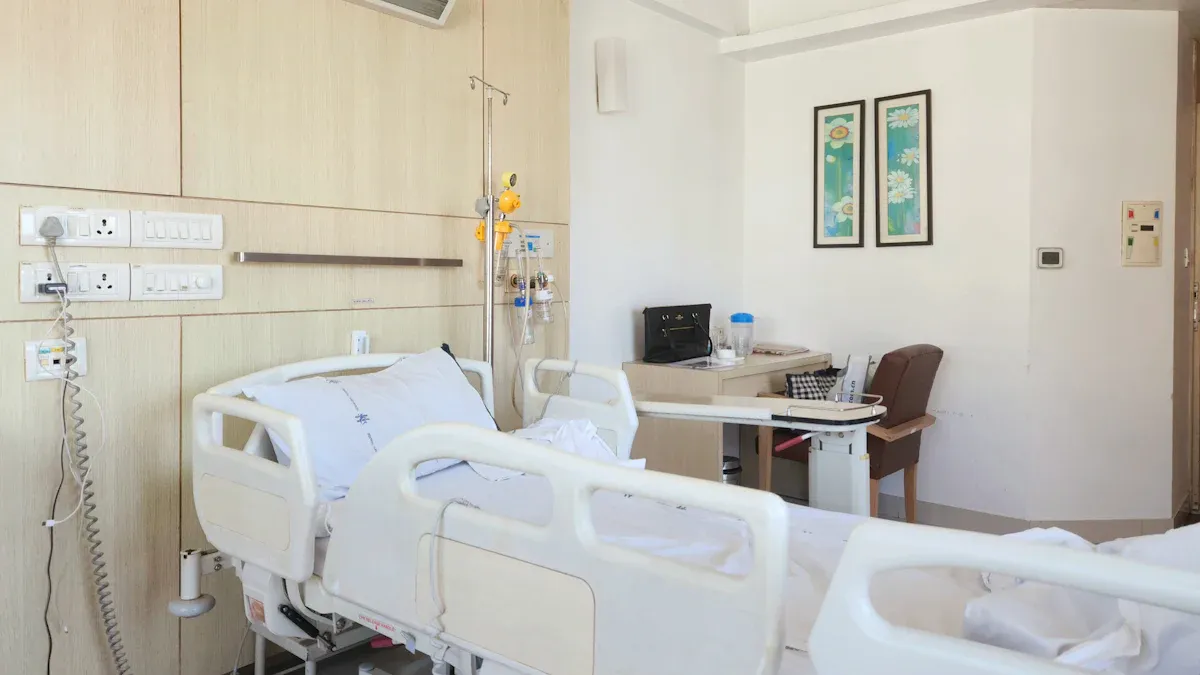
Manual hospital beds usually cost less money. This makes them a good pick for people who want to save money. Electric Hospital Bed choices have more features. These features help patients feel comfortable and get better care. You should think about what you need. Think about how much the patient can move. Think about how long they will need care. Also, think about how much help caregivers can give. Vatocare has both types of beds. You can pick the bed that works best for you.
Bed type | Cost range |
|---|---|
Manual | $500 to $1,000 |
Semi-electric | $1,000 to $3,000 |
Fully electric | $3,000 to $6,000+ |
Factor | Manual Beds | Electric Beds |
|---|---|---|
Patient Mobility | Good for people who can move a little | Best for people who cannot move and need changes often |
Care Duration | Good for short-term healing | Needed for long-term care with lots of moving |
Caregiver Support | Manual beds need help from caregivers | Electric beds make it easier for caregivers |
Key Takeaways
Manual hospital beds cost less money. They usually cost between $500 and $1,000. These beds are good for short-term care.
Electric hospital beds are more comfortable. They are easier to use. They help patients who cannot move much. These beds cost between $1,500 and $6,000.
Think about how much the patient can move. Also think about how long care is needed. Manual beds work for people who can move a little. Electric beds are better for long-term care.
Insurance rules are different. Manual beds are easier to get approved. Electric beds may need a doctor’s note.
Vatocare has many choices. They also offer custom services. This helps meet patient needs and budgets.
Quick Comparison
Manual vs Electric Hospital Bed Overview
You can pick a manual or electric hospital bed. Manual beds use hand cranks to move up or down. You or a caregiver must turn the crank each time. Manual beds are good if you want to save money. They work well if you do not need to change positions a lot. Manual beds do not need electricity, so you can use them anywhere.
Electric Hospital Bed options have motorized controls. You press a button or use a remote to move the bed. This is helpful for patients who cannot move much. Electric beds make things easier for caregivers. These beds are best for people who need to change positions often or need care for a long time. They need electricity, but many have backup power for safety.
Tip: If you want more comfort and to move by yourself, an electric hospital bed lets you change your position without waiting for help.
Key Differences at a Glance
Feature | Manual Hospital Bed | Electric Hospital Bed |
|---|---|---|
Adjustment Type | Hand cranks | Motorized remote control |
Ease of Use | Needs caregiver effort | Effortless for patient and caregiver |
Power Source | None required | Requires electricity |
Maintenance | Simple and low cost | Needs electrical checks |
Comfort | Basic comfort | Enhanced comfort with settings |
Patient Autonomy | Limited | Promotes independence |
Caregiver Strain | Higher | Lower |
Clinical Outcomes | May not meet all needs | Better for pressure relief |
Cost Range | Lower initial investment | Higher initial, long-term efficiency |
They help blood flow for people who cannot move much.
It is easier to change positions, which makes patients more comfortable.
Manual beds are simple and cost less. Electric hospital beds have more features and make care easier for everyone.
Cost Analysis
Upfront Costs
You need to know how much you will pay when you buy a hospital bed. Manual beds cost less. Electric Hospital Bed options cost more because they have motors and controls. You can see the average prices in the table below.
Type of Hospital Bed | Average Price (USD) |
|---|---|
Manual Bed | $500 – $1,000 |
Semi-Electric Bed | $800 – $2,000 |
Full-Electric Bed | $1,500 – $3,000 |
Vatocare offers both manual and electric beds at prices that match industry standards. You can find manual beds from vatocare for $500 to $1,000. Fully electric beds from vatocare cost $3,000 to $6,000 or more. Semi-electric beds cost $1,000 to $3,000. Vatocare gives you many choices so you can find a bed that fits your budget.
Note: Vatocare delivers fast and keeps costs low. You get quality beds without paying extra.
Maintenance Expenses
You must think about how much it costs to keep your bed working. Manual beds need little care. You only need to check the cranks and clean the frame. Electric beds need more care. You must check the motors and controls. Sometimes you need to fix wires or replace parts.
Manual beds cost less to maintain. You can do most tasks yourself.
Electric beds need a technician for repairs. This can cost more money.
Vatocare uses strong materials and tests every bed before shipping. You get a bed that lasts longer and needs fewer repairs. Vatocare’s strict quality control means you spend less on maintenance.
Insurance Coverage
Insurance can help you pay for a hospital bed. Many plans cover manual beds because they cost less. Some plans cover electric beds if you need them for medical reasons. You must ask your insurance company what they cover.
Manual beds are easier to get approved.
Electric beds need a doctor’s note or proof of need.
You can ask vatocare for help with paperwork. Vatocare has experience with hospitals and distributors in over 100 countries. You get support for insurance claims and fast answers to your questions.
Tip: Always check your insurance before you buy. Vatocare can guide you and help you choose the right bed.
Electric Hospital Bed Features
Adjustability and Comfort
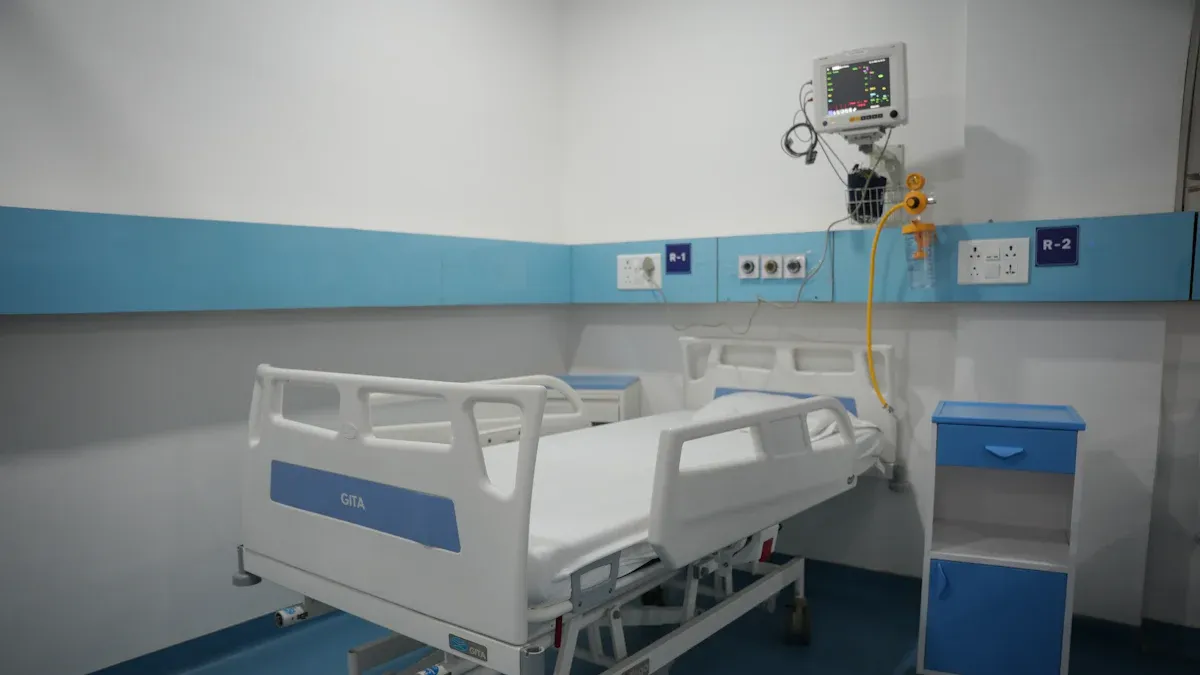
You want a bed that feels safe and cozy. An electric hospital bed lets you change your position in many ways. You can lift the head or foot by pressing a button. You can also make the bed higher or lower. This makes it easier to get in or out. You can find a good spot for sleeping, reading, or therapy.
Here is a quick look at the main features:
Feature | Description |
|---|---|
Head and foot move up or down easily. Bed height changes for safety and comfort. | |
Remote Control Operation | Simple buttons let you pick many positions. You and your caregiver can use them. |
Side Rails for Safety | Rails can be removed or folded down. They help stop falls and support movement. |
Some electric hospital beds have pressure redistribution systems. These systems spread your weight across the bed. This helps stop pressure sores if you stay in bed a long time. Some beds use smart technology to watch your movements and vital signs.
Tip: Vatocare uses advanced engineering. Their beds focus on comfort and support for every patient.
Ease of Use for Caregivers
Caregivers need beds that are simple to use and clean. Electric hospital beds have easy controls. Caregivers can change the bed quickly when needed. This helps stop back pain and makes work easier.
Feature | Benefit |
|---|---|
User Controls | Buttons and icons are easy to understand. You can adjust the bed fast. |
Maneuverability | Beds roll smoothly. This makes moving patients safer and quicker. |
Easy Cleaning | Surfaces and parts are simple to wipe and keep clean. |
A well-made bed from vatocare makes care tasks safer and easier for everyone.
Safety and Reliability
You want a bed that keeps you safe all the time. Electric hospital beds from top brands meet strict safety rules. These include IEC 80601-2-52 for adults and IEC 80601-2-89 for kids and special cases. Vatocare uses strong materials and checks every bed for safety.
Standard Code | Description |
|---|---|
IEC 80601-2-52 | Safety and performance rules for adult medical beds. |
IEC 80601-2-89 | Safety and performance rules for beds for children and special needs. |
Note: Vatocare’s smart designs and careful checks help keep you and your family safe.
Manual Hospital Bed Benefits

Budget-Friendly Choice
If you want to save money, manual beds are a good pick. They cost less because they do not have motors or electric parts. This helps families and hospitals spend less money. You also pay less for repairs and care. Vatocare sells strong manual beds that are safe and comfy. They do not cost a lot. You can ask for special features if you need them.
Here is why manual beds help you save money:
Bed Type | Average Cost | Maintenance Cost | Power Needed |
|---|---|---|---|
Manual Bed | Low | Low | No |
Electric Bed | High | High | Yes |
Bariatric/Electric | Highest | Highest | Yes |
Tip: Vatocare’s manual beds are cheap and work well. You get good value and do not lose quality.
Suitable for Short-Term Care
Manual beds are great if you only need them for a short time. You do not need to plug them in. You also do not spend much on care. Many hospitals and homes use manual beds for people who will get better soon. They are good if you only need simple changes.
Feature | Manual Beds | Electric Beds |
|---|---|---|
Cost | Lower | Higher |
Power Requirement | None | Needed |
Maintenance | Minimal | More upkeep |
You can use a manual bed almost anywhere you want. Vatocare can make manual beds fit many places, so they are easy to use.
Physical Effort Required
Manual beds need someone to turn a crank or move the bed by hand. Caregivers must use more strength to help the patient move. This can make them tired if they do it a lot.
More work can make people tired or cause safety problems.
Manual beds are best if you have enough help.
Vatocare makes manual beds that are easy and safe to use. You can ask for special parts to make moving the bed easier. Vatocare can make beds that fit what you need.
Note: If you want a simple bed that does not cost much for short-term use, a manual hospital bed from vatocare is a good choice.
Choosing the Right Bed
Matching Bed Type to Care Needs
You want to make the best choice for your patient or loved one. Start by looking at a few important factors. Think about how much the patient can move. Consider how long they will need the bed. Check if you have enough help from caregivers. These points will help you match the right bed to your needs.
Here is a table to help you compare what matters most:
Criteria | Details |
|---|---|
Adjustability Options | Head can lift 60-80 degrees. Foot can lift 0-40 degrees. Bed height changes from 16″ to 26″. |
Weight Capacity | Standard beds hold 350-450 lbs. Bariatric beds hold 600-1,000+ lbs. |
Frame Construction | Choose steel, aluminum, or composite for strength and durability. |
Size and Space | Standard sizes are 36″ x 80″ or 54″ x 80″. Make sure your room fits the bed. |
Electric vs. Manual | Electric beds need power and offer easy controls. Manual beds need hand cranks and less upkeep. |
Satisfaction Rates | Matching the right bed increases satisfaction and health by 67%. |
Caregiver Strain | Good adjustability lowers caregiver back strain by 43% and boosts patient comfort by 78%. |
Durability | High-quality steel frames last 3-5 years longer than cheaper models. |
Room Size Requirement | You need at least a 10′ x 10′ room, but 120+ sq ft is best. |
You should always match the bed to the patient’s needs. If you choose the right bed, you will see better comfort and health. You will also make things easier for caregivers.
Tip: If you feel unsure, ask the experts at vatocare. They can help you find the best fit for your space, budget, and care needs.
Scenarios for Manual vs Electric Beds
You may wonder when to pick a manual bed or an electric hospital bed. Each type works best in different situations. Here is a quick guide:
Bed Type | Ideal Scenarios |
|---|---|
Manual Beds | Short-term recovery, saving money, patients who can move a little, extra beds for hospitals. |
Electric Beds | Long-term care, elderly or immobile patients, home care with many position changes, less strain for caregivers. |
Manual beds work well if you need a bed for a short time or want to save money. They also help if the patient can move a bit on their own. Hospitals often use manual beds as backup options.
You should choose an electric hospital bed for long-term care or if the patient cannot move much. These beds help caregivers avoid back pain and make it easy to change positions. They are also great for home care when you want more comfort and safety.
Real-Life Examples
Let’s look at some real-life examples to help you decide:
Short-Term Recovery:
You care for a family member after surgery. They can move a little and only need the bed for a few weeks. A manual bed saves money and works well for this short time.Long-Term Home Care:
Your loved one cannot move by themselves and needs help every day. You want to make things easier for both the patient and the caregiver. An electric hospital bed lets you change positions with the push of a button. This keeps the patient comfortable and helps prevent sores.Hospital or Nursing Home:
You run a care center and need beds for many patients. Some patients need extra support, while others only need a bed for a short stay. You can use both manual and electric beds to meet different needs. Manual beds work as backups or for short stays. Electric beds help with long-term care and reduce caregiver strain.Limited Space at Home:
Your room is small, but you still want a safe and strong bed. Vatocare offers beds in different sizes and can help you pick one that fits your space.
Note: Every situation is unique. You should talk to vatocare for advice. They can help you choose the right bed and even customize it for your needs.
Choosing the right bed means thinking about patient movement, how long you need the bed, and how much help you have. You can always reach out to Vatocare for expert help and personal recommendations.
Alternatives and Custom Solutions
Semi-Electric Beds
Semi-electric beds have both manual and electric parts. You can move the head and foot with electric motors. To change the height, you use a hand crank. This type of bed costs less than a fully electric bed. It is easier for caregivers than a manual bed. You get more comfort than a manual bed but save money.
Feature | Semi-Electric | Fully Electric | Manual |
|---|---|---|---|
Head and Foot Sections | Powered by electric motors | Manual adjustment | |
Height Adjustment | Manual hand crank | Fully powered | Manual adjustment |
Power Source | Requires both electric and manual | Connects only to power outlet | Requires manual effort |
Caregiver Effort | Requires 30-50 turns for height | Minimal effort for all adjustments | Significant manual effort |
Tip: Vatocare’s semi-electric beds are easy to use and strong. You get comfort and good performance.
Hospital Bed Rentals
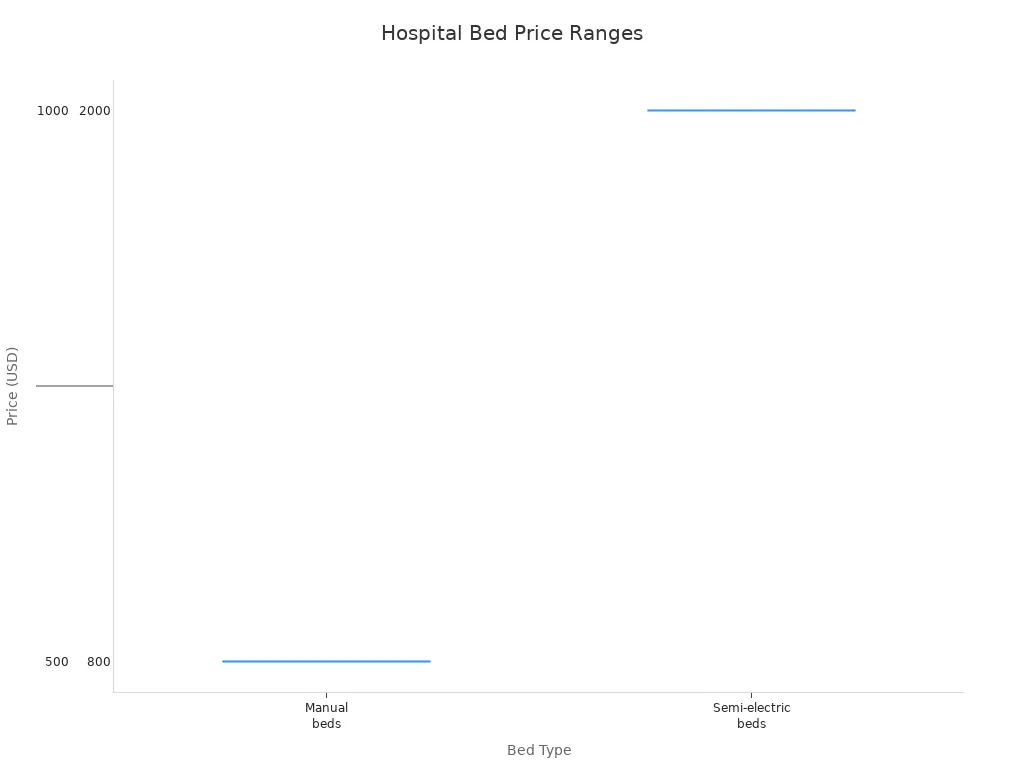
Renting a hospital bed can help you save money. You can rent for a day, week, or month. This is good if you only need a bed for a short time. Medical supply companies offer different rental prices. Renting is best for short-term care or recovery. Buying is better if you need a bed for a long time.
Bed Type | Price Range |
|---|---|
Manual beds | $500 – $1,000 |
Semi-electric beds | |
Full-electric beds | $1,500 – $5,000 |
Bariatric beds | $2,000 – $7,000 |
Used beds | $300 – $2,000 |
Renting is cheaper for short-term needs.
You can pick how long you rent.
Buying is better for long-term care.
Note: Vatocare gives fast delivery and strong beds for rent or buy.
Vatocare Customization Services
Sometimes you need a bed made just for you. Vatocare can make beds with special features or designs. You can ask for your own logo or brand on the bed. Vatocare also has many patient care accessories. These include bed safety rails, overbed tables, and medical step stools. You can pick what you need for comfort and safety.
Pick your own size, color, and features.
Add your logo or brand to the bed.
Choose accessories for more comfort and safety.
Tip: Vatocare helps you make the best care space. You get expert help and top-quality products.
You can pick a manual bed if you want to spend less. Manual beds are good for short-term care. Electric beds are better for long-term care. They help patients who cannot move much. Think about what the patient needs. Look at how long care will last. Check if caregivers can help enough. Vatocare gives advice and makes beds for different needs. If you balance cost, care, and ease, you will make a smart choice.
Pros | Ideal For | |
|---|---|---|
Manual | Saves money, strong | Short recovery time |
Fully Electric | Simple to use, more comfort | Long care, less movement |
Pick the most important features for your budget.
Ask Vatocare for special choices and help.
FAQ
What is the main difference between manual and electric hospital beds?
Manual beds use hand cranks for adjustments. Electric beds use motors and remote controls. You get more comfort and easier movement with electric beds. Manual beds cost less and need no power.
Can you use a manual hospital bed without any electricity?
Yes, you can use a manual hospital bed anywhere. You do not need to plug it in. You adjust the bed by turning a crank.
How do you clean and maintain a hospital bed?
You should wipe the bed frame with a mild cleaner. Check moving parts often. For electric beds, inspect the wires and controls. Vatocare beds use strong materials, so you spend less time on repairs.
Does insurance cover hospital beds for home use?
Many insurance plans help pay for hospital beds. Manual beds are easier to get approved. For electric beds, you may need a doctor’s note. Always check with your provider first.
