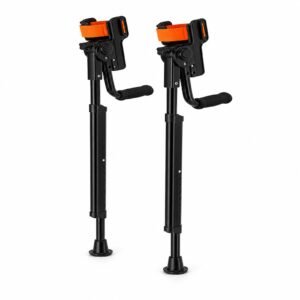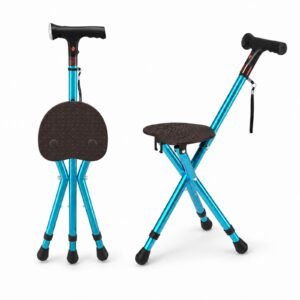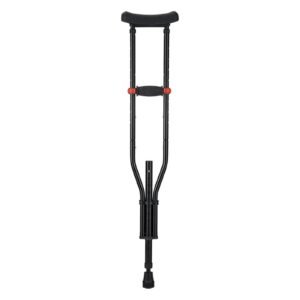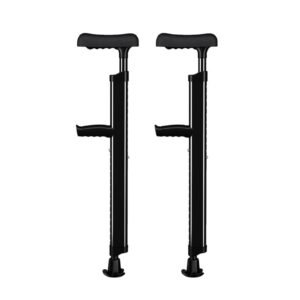
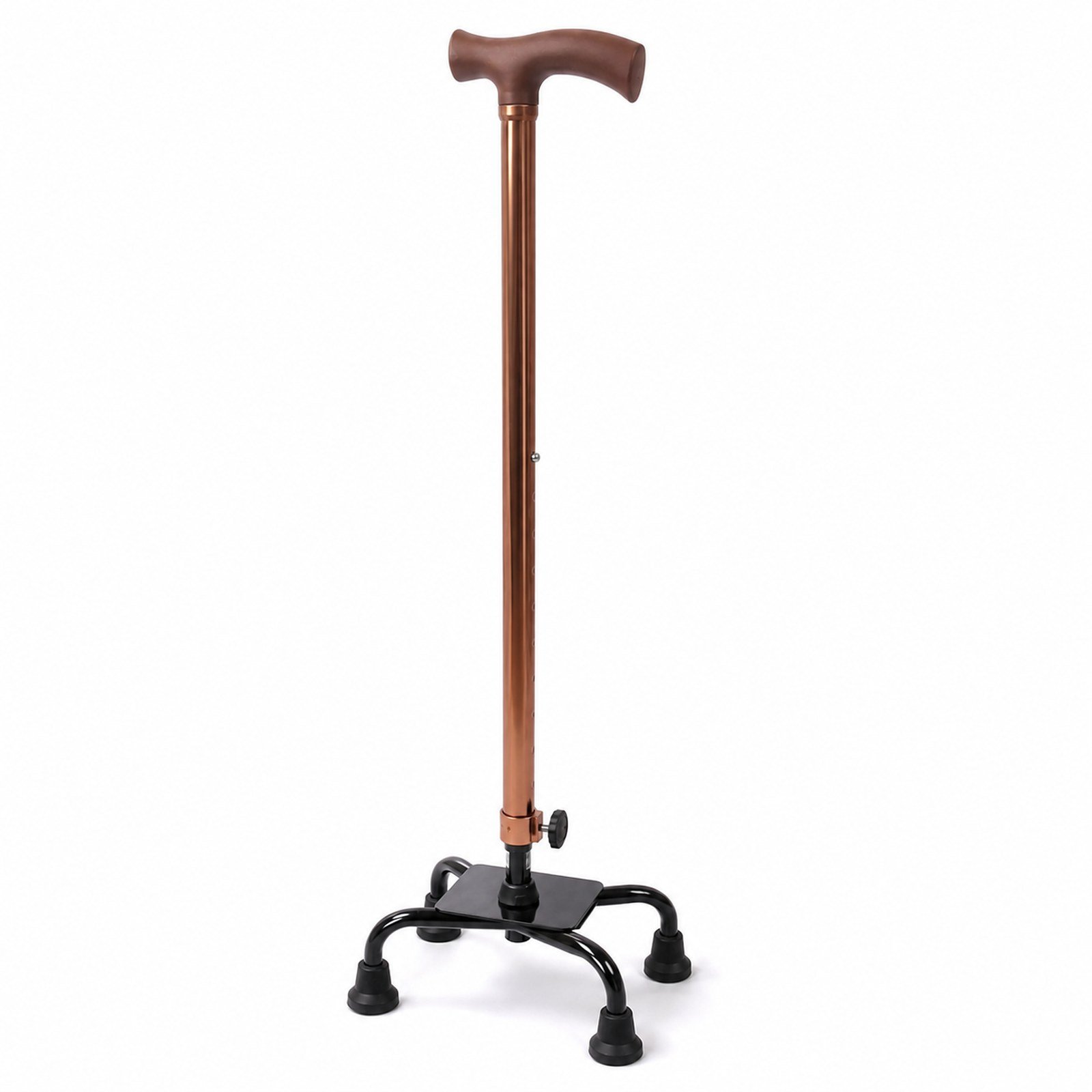
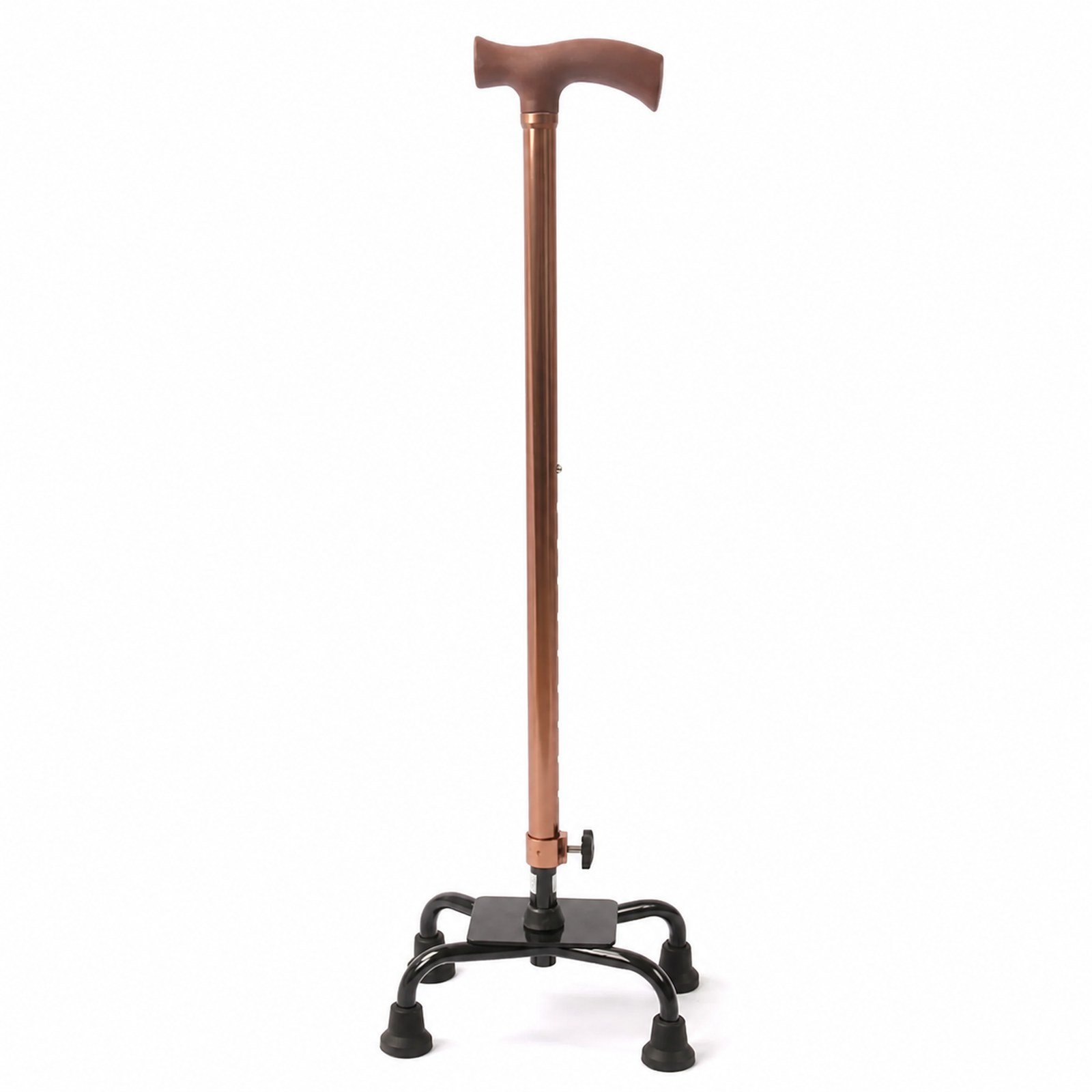
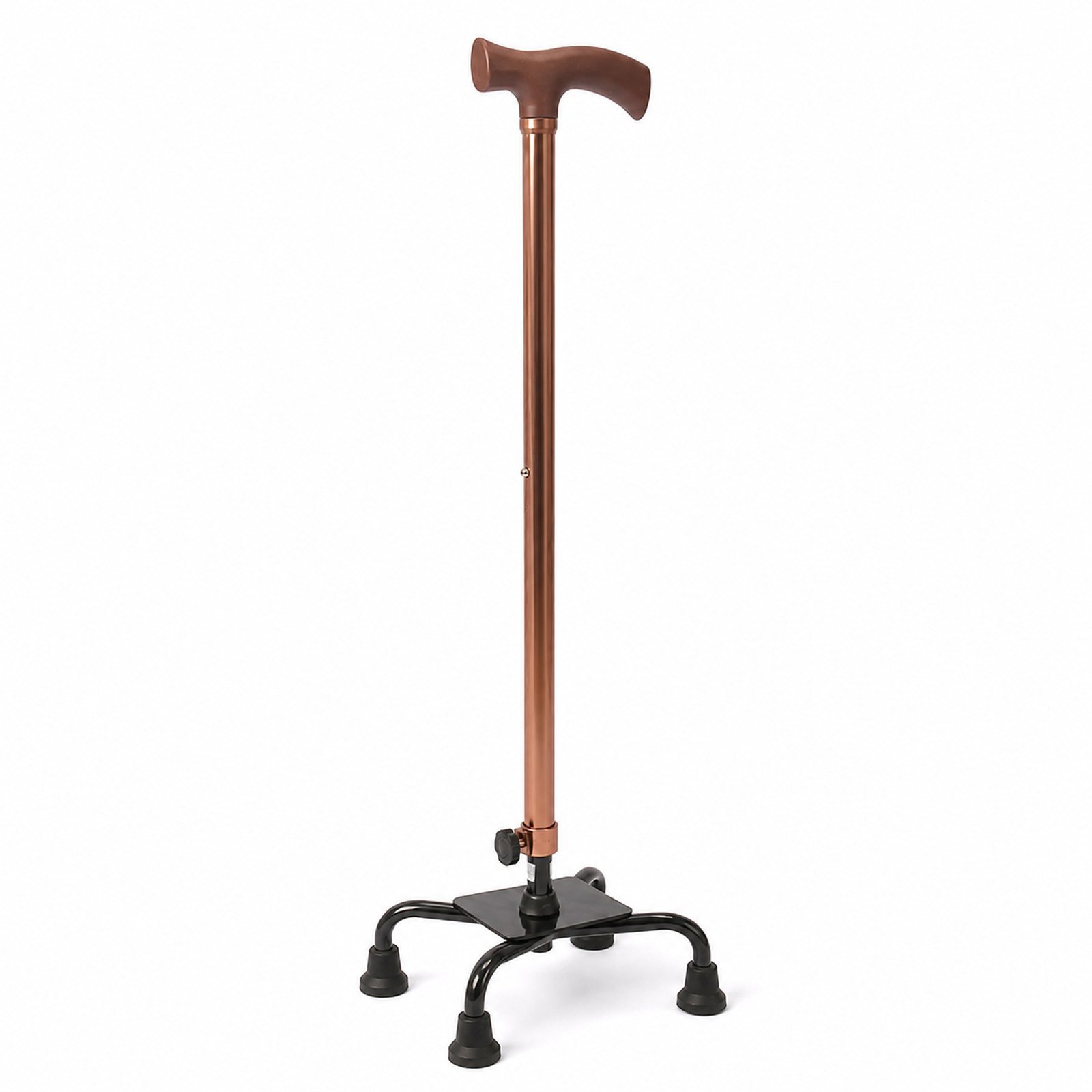
The Bronze Telescopic Quad Cane offers dependable support for those who need help with balance during daily steps. Its frame is built from aluminum alloy, keeping the structure light yet sturdy for routine use. The four-point base spreads contact across the floor, which steadies the user when standing or walking. Height adjustments allow the cane to match different body sizes, and the bronze finish gives it a calm, understated look. This cane suits home settings, care facilities, and rehabilitation spaces where stable walking aid assistance is valued.
The crutches and canes VT6-CAC-038 is designed for practical daily care. It balances user support, operating convenience and routine caregiver efficiency. The configuration and materials shown in the specification table are matched to this product; select the final size and configuration for the user’s body dimensions, mobility, care needs and available space.
Before first use, place the product on a suitable, level surface and check every connection, lock, adjustment point, folding joint and brake or support component. The user should approach or transfer slowly while maintaining a stable posture. A caregiver should assist whenever balance, strength or coordination is limited. This product is a daily-care aid and does not replace medical assessment or a prescribed rehabilitation plan.
For ongoing use, keep contact surfaces clean and dry, inspect fasteners and moving parts at regular intervals, and stop using the product if any component becomes loose, damaged or unstable. Packaging dimensions and weights in the table are supplied for storage, shipping and receiving planning; actual batch labels and the selected configuration take precedence.
| Specification | Details |
|---|---|
| Product Name | Bronze Telescopic Quad Cane |
| Product Category | Crutches and Canes |
| Net Weight | 1.0kg |
| Material | Aluminum Alloy |
| Carton Quantity | 1 |
| Package Weight | 6000 g( 6 kg) |
The Vatocare bronze retractable quad cane is applicable for walking support, balance assistance, and daily mobility. It can be configured as needed in homes, elderly care facilities, rehabilitation centers, nursing spaces, or corresponding public facilities. For users requiring unilateral or bilateral support, the decision to use independently or with caregiver assistance should be based on physical condition, and height, angle, position, or support method adjustments should be completed during first use. The usage area should be kept level, dry, and unobstructed, with items that could interfere with operation or passage removed from the surroundings; special attention to slip resistance and stability is required in bathroom, toilet, or transfer scenarios. As a cane aid product, it provides daily assistance and support and cannot replace medical diagnosis, professional rehabilitation programs, or procedures that must be performed by healthcare personnel.
It is intended for users who need walking support or help with balance on one side or both sides. The final choice should depend on the person’s body strength, coordination, and whether a caregiver can assist.
Check the user’s height and arm length to find a comfortable handle position. Also measure doorways, hallways, bathroom areas, and storage spots to ensure the four-point base can pass through and fit properly.
It depends on the individual’s balance and mobility level. If the user feels weak or unsteady, a family member or caregiver should stay close and provide full assistance during walking and transfers.
Place the cane on a flat surface and confirm all four feet touch the floor evenly. Tighten and verify every lock, joint, and height adjustment point so the shaft stays fixed during weight bearing.
The main material is aluminum alloy. Use a soft cloth with mild soap and water to wipe the handle, shaft, and base. Dry all parts thoroughly afterward and avoid harsh or corrosive cleaning agents.
Compare the height adjustment range, weight limit, base footprint, and overall weight with the user’s daily needs. Consider where the cane will be used and how often, then pick the model that matches those conditions most closely.