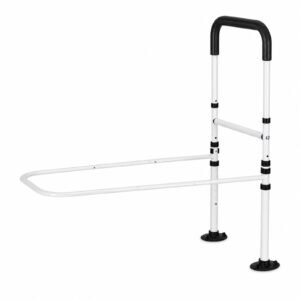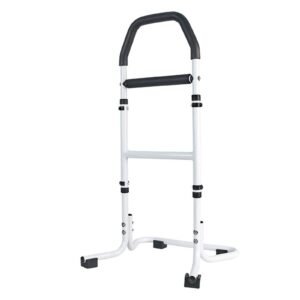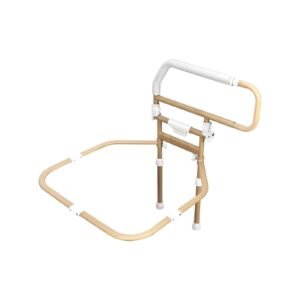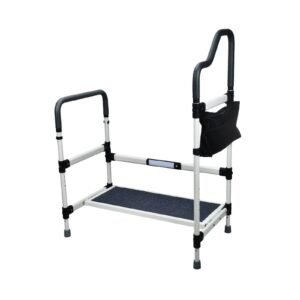
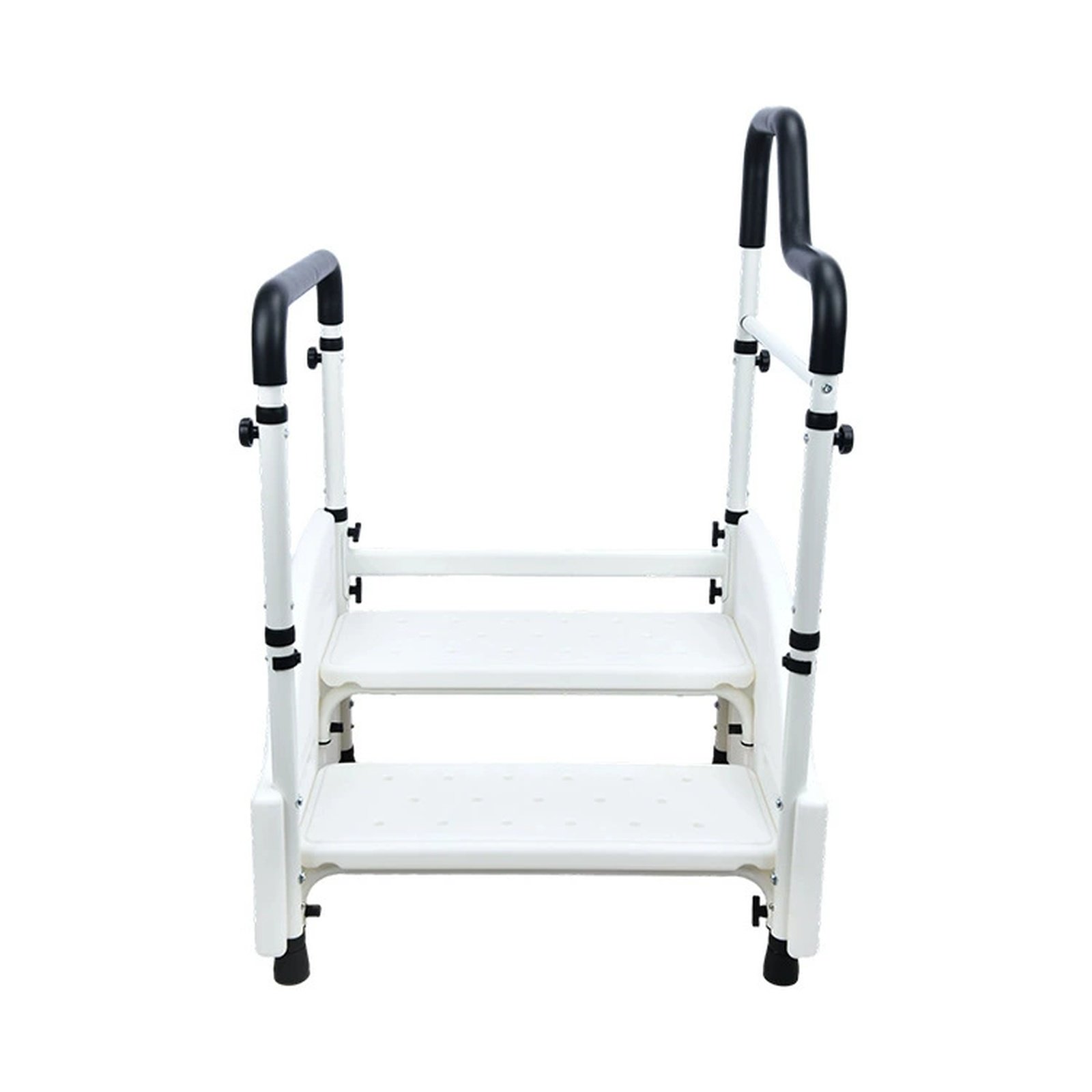
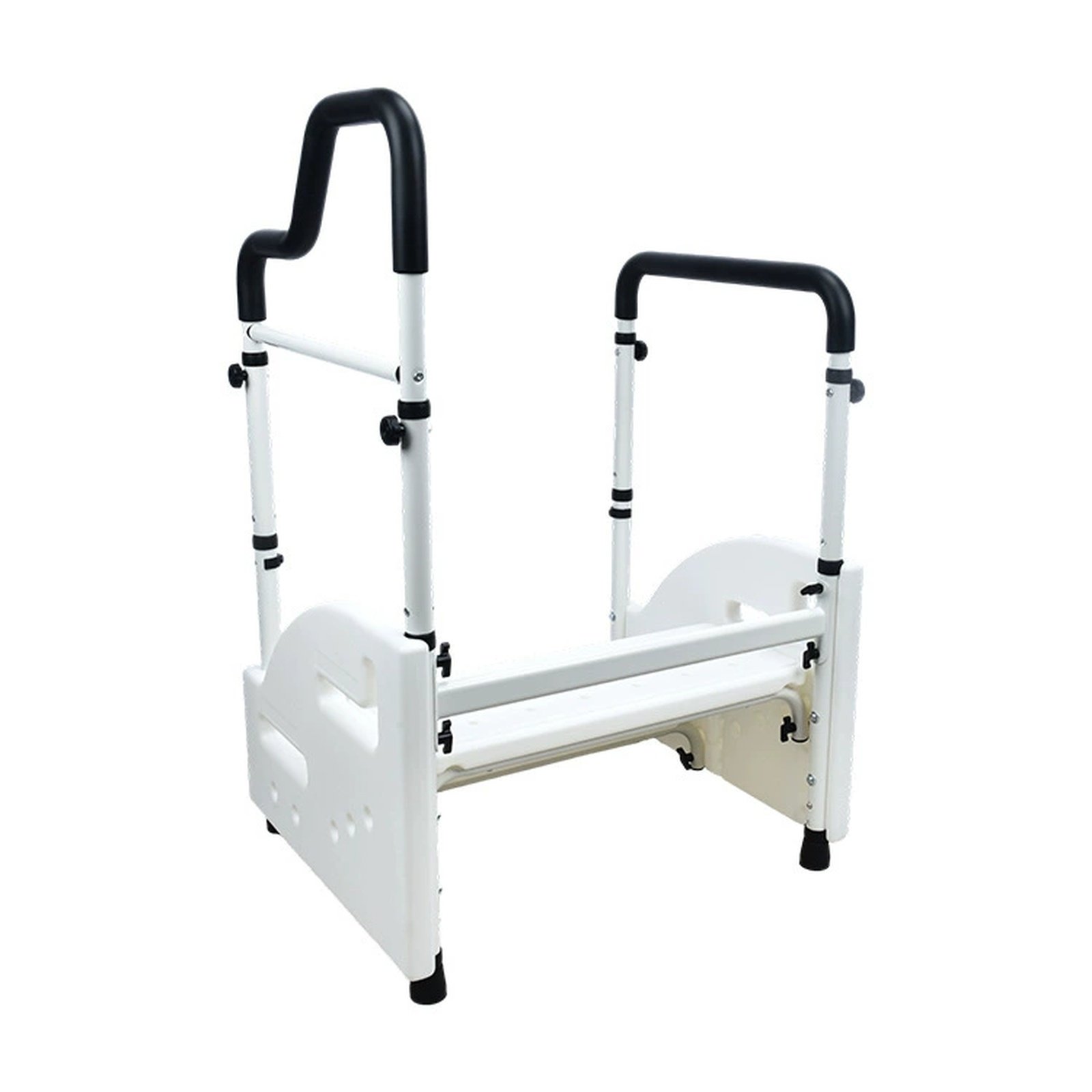
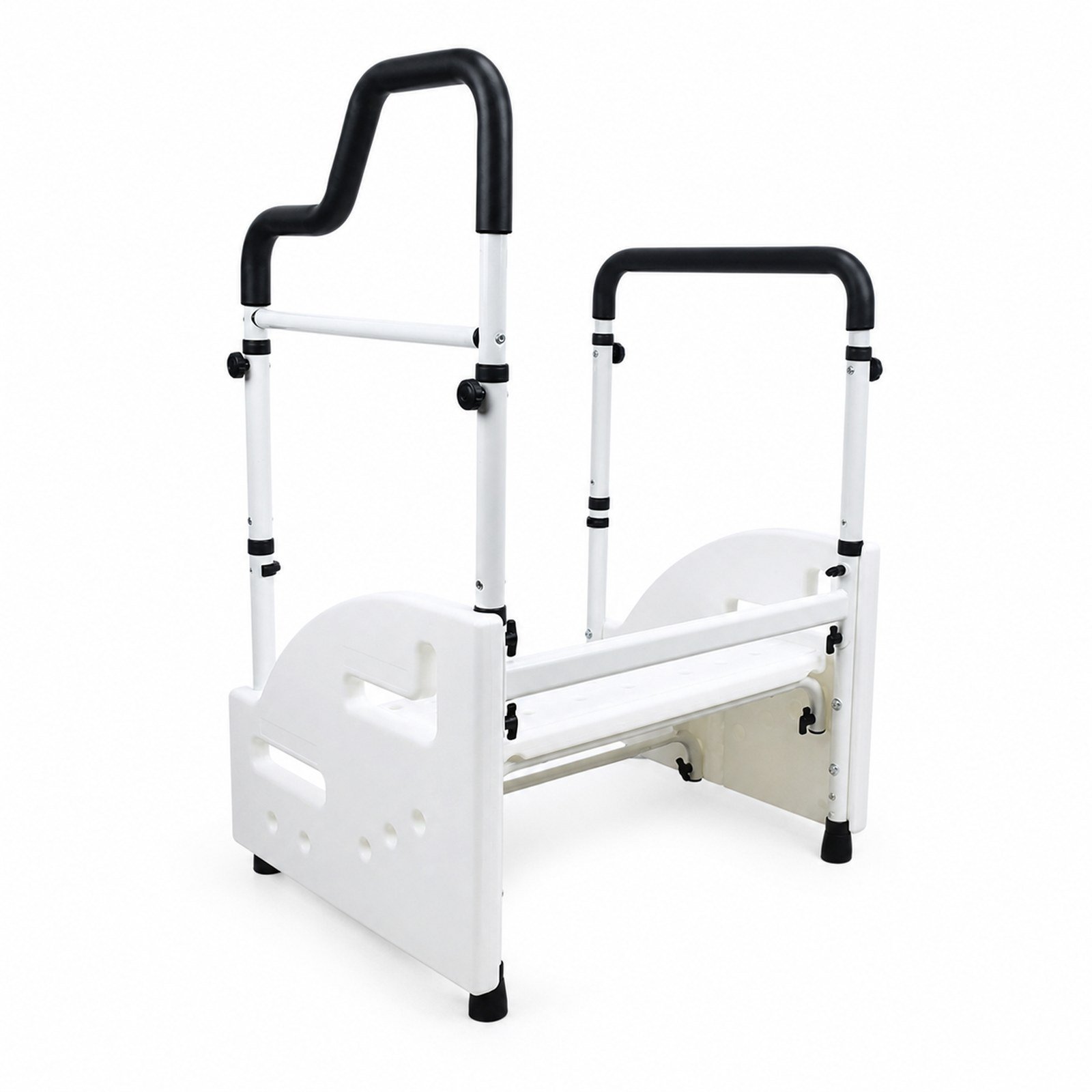
The Double-Layer Step Stool with Handrail is a bedside support designed for older adults, people in recovery, and those who need bed-related care. It helps with bed fall prevention, rising assistance, and bedside nursing. The product gives stable support for daily movements and is built for repeated use. It suits homes, elderly care spaces, rehab areas, and similar facilities. Users should check that the unit is level, all connections are tight, and moving parts are set before each use. Enough room should be left for sitting up, turning, or shifting position.
The bed safety rail VT4-BSR-007 is designed for practical daily care. It balances user support, operating convenience and routine caregiver efficiency. The configuration and materials shown in the specification table are matched to this product; select the final size and configuration for the user’s body dimensions, mobility, care needs and available space.
Before first use, place the product on a suitable, level surface and check every connection, lock, adjustment point, folding joint and brake or support component. The user should approach or transfer slowly while maintaining a stable posture. A caregiver should assist whenever balance, strength or coordination is limited. This product is a daily-care aid and does not replace medical assessment or a prescribed rehabilitation plan.
For ongoing use, keep contact surfaces clean and dry, inspect fasteners and moving parts at regular intervals, and stop using the product if any component becomes loose, damaged or unstable. Packaging dimensions and weights in the table are supplied for storage, shipping and receiving planning; actual batch labels and the selected configuration take precedence.
| Specification | Details |
|---|---|
| Product Name | Double-Layer Step Stool with Handrail |
| Product Category | Bed Safety Rail |
| Net Weight | 12.09kg |
| Gross Weight | 13.1kg |
| Additional Specification | 53.5 |
| Package Weight | 12000 g( 12 kg) |
This step stool with rail fits into bedrooms, care facilities, rehabilitation centers, and assisted-living spaces where getting in and out of bed needs extra support. It works well for older users who need a stable handhold when standing up, for patients transitioning from bed to a wheelchair, and for caregivers who need a reliable assist point during transfers. Place it on a flat, dry floor beside the bed, leaving enough clearance for turning and stepping. In bathrooms or near slippery surfaces, extra caution is required—this product supports movement but does not replace non-slip flooring or professional supervision. For users with limited balance, a caregiver should stay close during the first few attempts until the correct height and angle are confirmed.
It is meant for older adults, people recovering from illness or injury, and those who need bed-related care. The final choice depends on the person’s body size, strength, balance, and whether a helper is available.
Measure the user’s body size and check the door, bed, toilet, hallway, or storage area where the rail will be used. Compare those numbers with the rail’s height, width, and opening size.
Only if the person has enough balance and arm strength. If the user is weak or unsteady, a family member or caregiver must stay close and assist the whole time.
Make sure the rail sits flat on the floor, all locks and connectors are tight, and any fold or height adjustment is fully locked. Push gently on the rail to confirm it does not rock or slide.
Wipe the contact areas with a soft cloth and mild soap or water. Dry the surfaces completely. Do not use harsh or corrosive cleaners, and check moving parts for dust or wear after cleaning.
Decide based on what you need most: fall prevention, help standing up, or bedside care. Then compare the load limit, overall size, height adjustment range, folding ability, and packing details of each option.