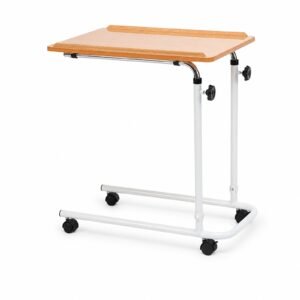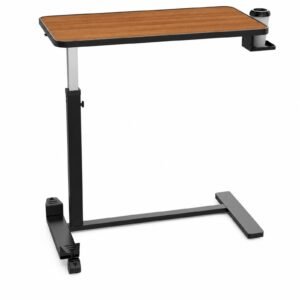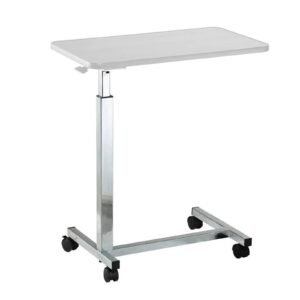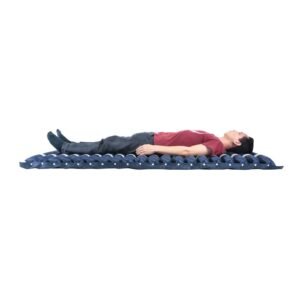
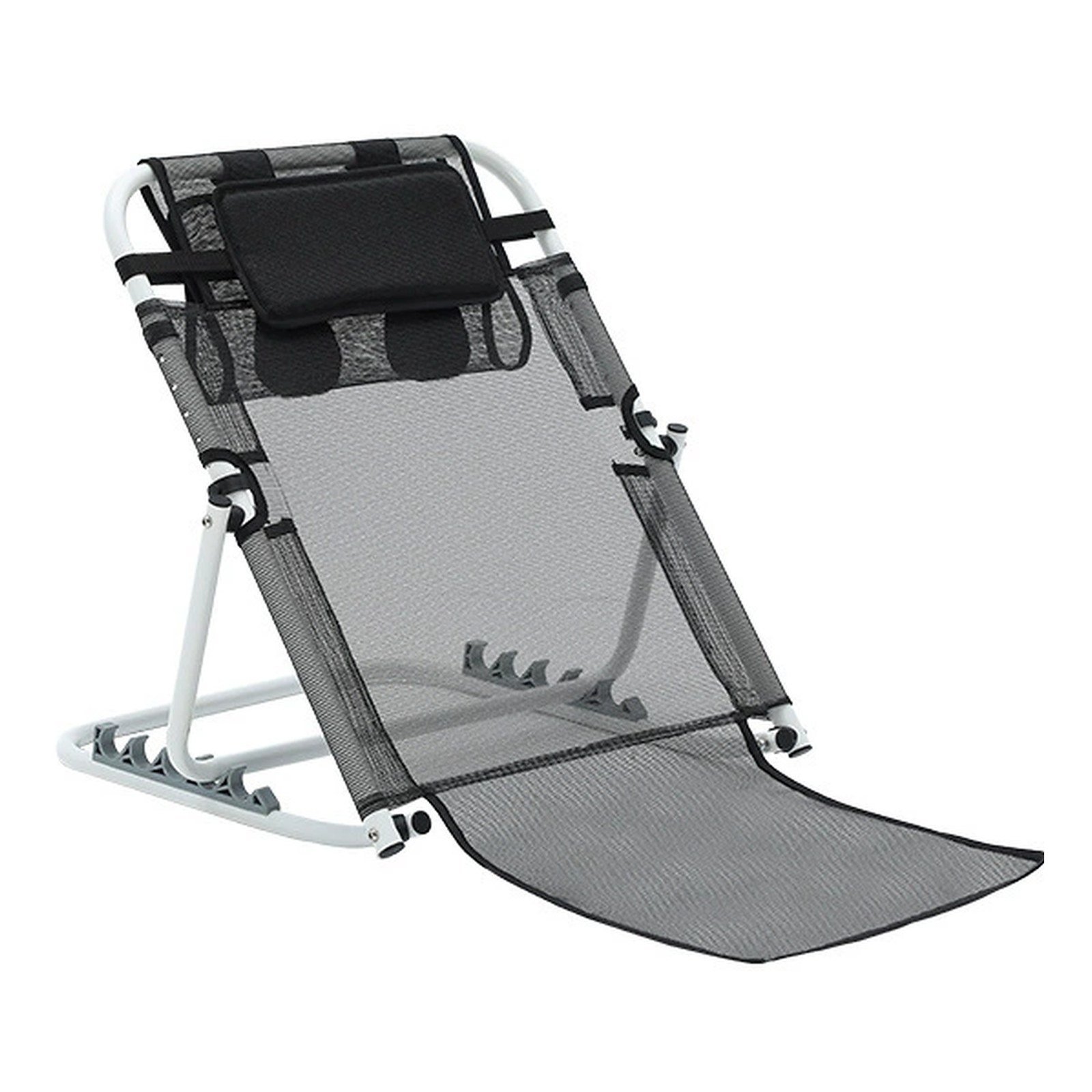
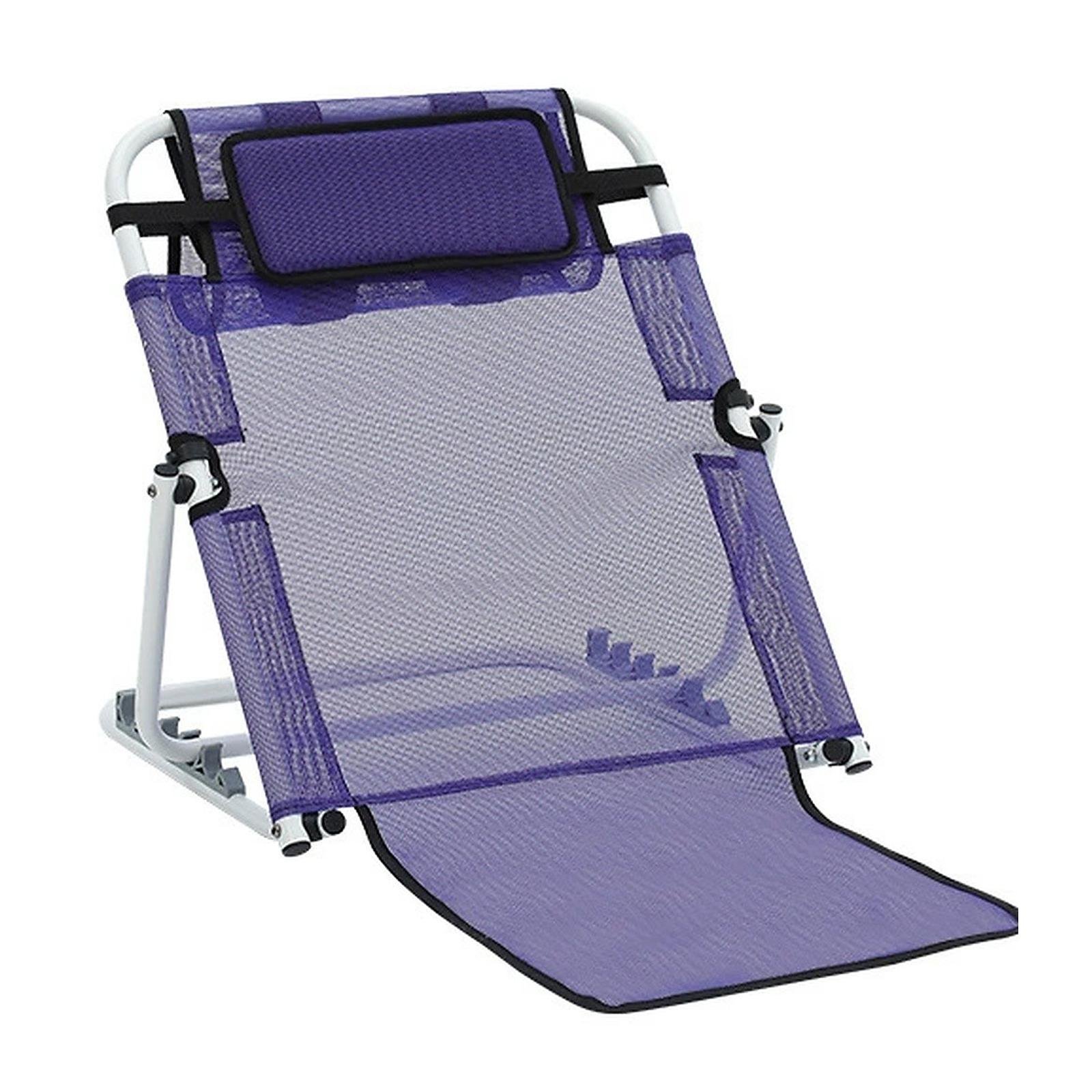
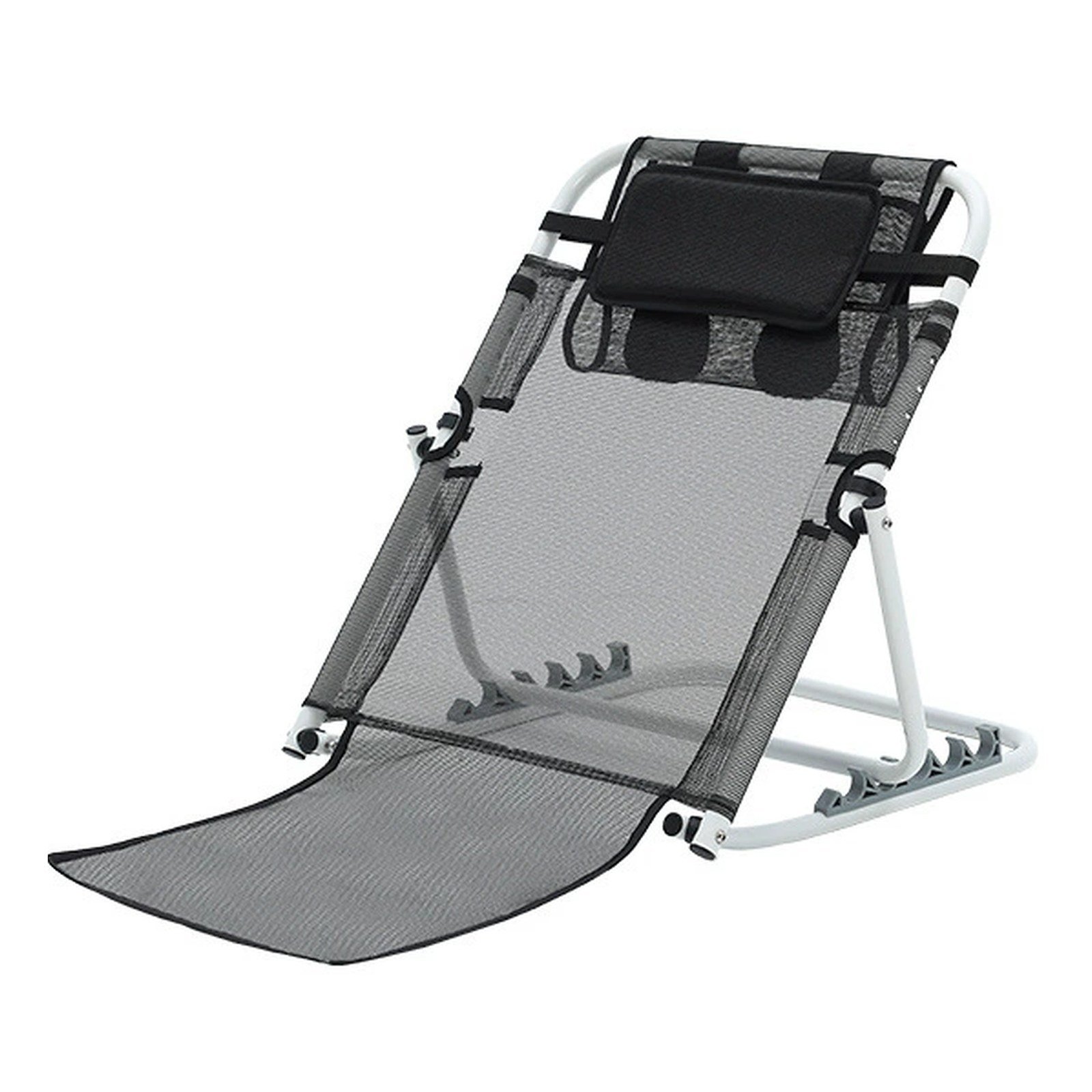
The Folding Bed Backrest Chair is an aluminum-alloy support accessory for bed-bound care, posture adjustment, and care-space setup. It suits long-term bedridden users, those in recovery, and care facilities. Users should check that the product sits steady, connections are secure, and adjustment parts lock before slow contact. The chair helps daily positioning but does not replace professional medical care.
The hospital beds and accessories VT7-HBA-011 is designed for practical daily care. It balances user support, operating convenience and routine caregiver efficiency. The configuration and materials shown in the specification table are matched to this product; select the final size and configuration for the user’s body dimensions, mobility, care needs and available space.
Before first use, place the product on a suitable, level surface and check every connection, lock, adjustment point, folding joint and brake or support component. The user should approach or transfer slowly while maintaining a stable posture. A caregiver should assist whenever balance, strength or coordination is limited. This product is a daily-care aid and does not replace medical assessment or a prescribed rehabilitation plan.
For ongoing use, keep contact surfaces clean and dry, inspect fasteners and moving parts at regular intervals, and stop using the product if any component becomes loose, damaged or unstable. Packaging dimensions and weights in the table are supplied for storage, shipping and receiving planning; actual batch labels and the selected configuration take precedence.
| Specification | Details |
|---|---|
| Product Name | Folding Bed Backrest Chair |
| Product Category | Hospital Beds and Accessories |
| Load Capacity(Specification1) | 150kg |
| Load Capacity(Specification2) | 150kg |
| Load Capacity(Specification3) | 150kg |
| Material | Carbon Steel Tube |
| Material | Aluminum Alloy |
| Carton Quantity | 1 |
| Package Weight | 2000 g( 2 kg) |
This product is intended for bed-bound care, repositioning support, and care space configuration. It can be deployed in homes, elderly care institutions, rehabilitation centers, nursing environments, or relevant public facilities. For long-term bedridden users, individuals in recovery, and care institutions, use should be determined based on the user’s physical condition—either independently or with caregiver assistance. During first use, adjust the height, angle, position, or support method as needed. The usage area should be flat, dry, and unobstructed; keep surrounding areas clear of items that may interfere with operation or passage. In bathroom or transfer scenarios, pay special attention to slip resistance and stability. As a care bed accessory, this product provides daily assistance and support only and cannot replace medical diagnosis, professional rehabilitation plans, or procedures that must be performed by healthcare professionals.
It mainly suits long-term bedridden individuals, people in recovery, and care institutions. Final choice should match the user’s body size, strength, balance, and available caregiver support.
Measure the user’s body dimensions and compare them with the bed width, doorways, corridors, toilet area, or storage spots where the chair will be used.
It depends on the person’s mobility and balance. If the user cannot move safely alone, a family member or caregiver must help during sitting, rising, or turning.
Confirm the product sits flat and stable, all connecting and locking parts are in the correct position, and any folding or adjustment mechanisms are fully secured.
The main material is aluminum alloy. Wipe the contact surfaces gently, dry them completely, and avoid corrosive cleaning agents.
Compare load capacity, overall size, seat height, adjustment range, and packaging details against your actual care needs, bed dimensions, and storage space.