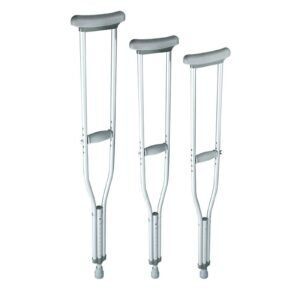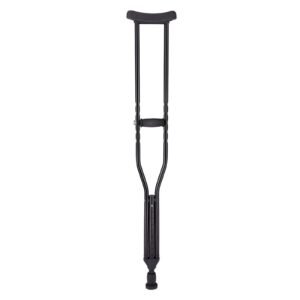
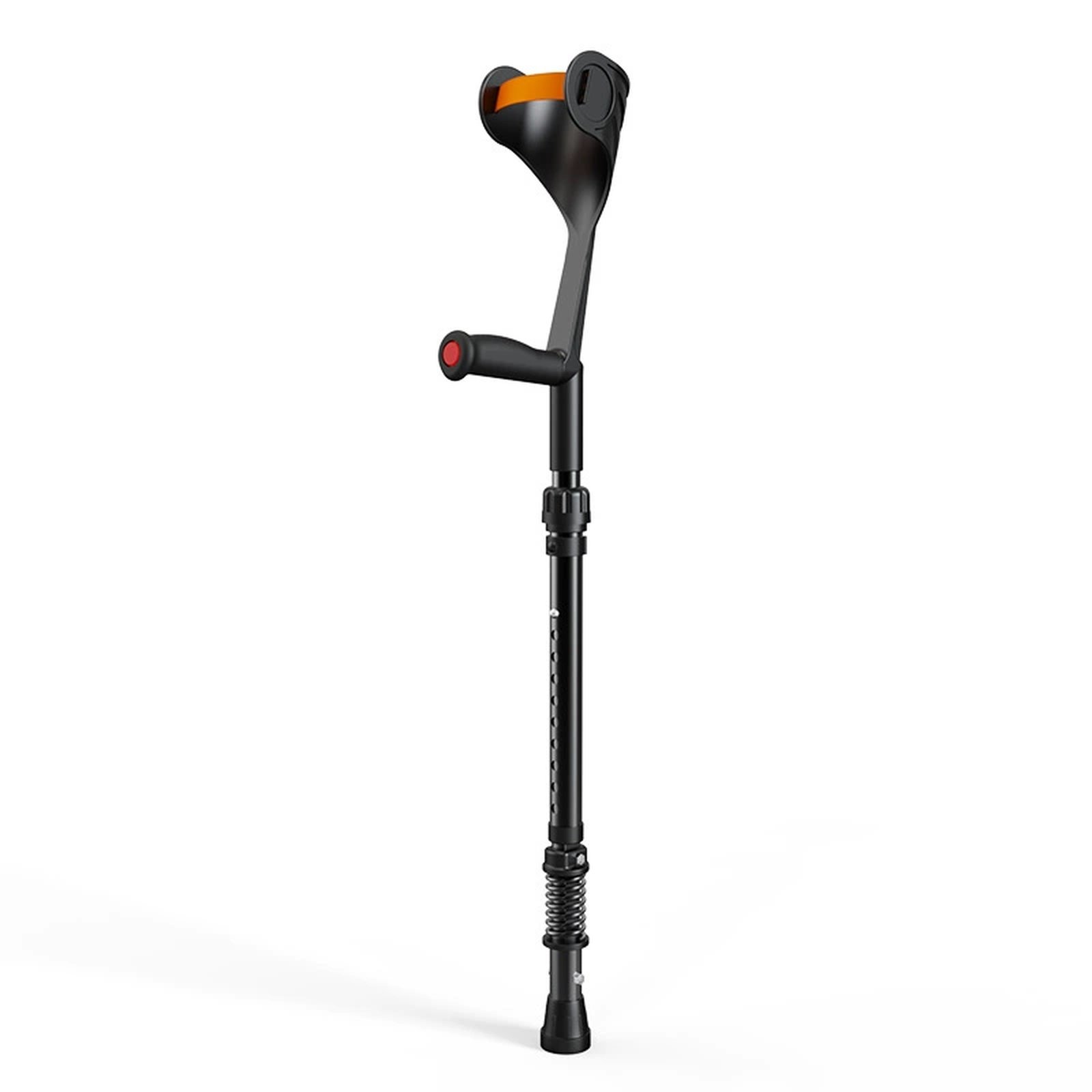
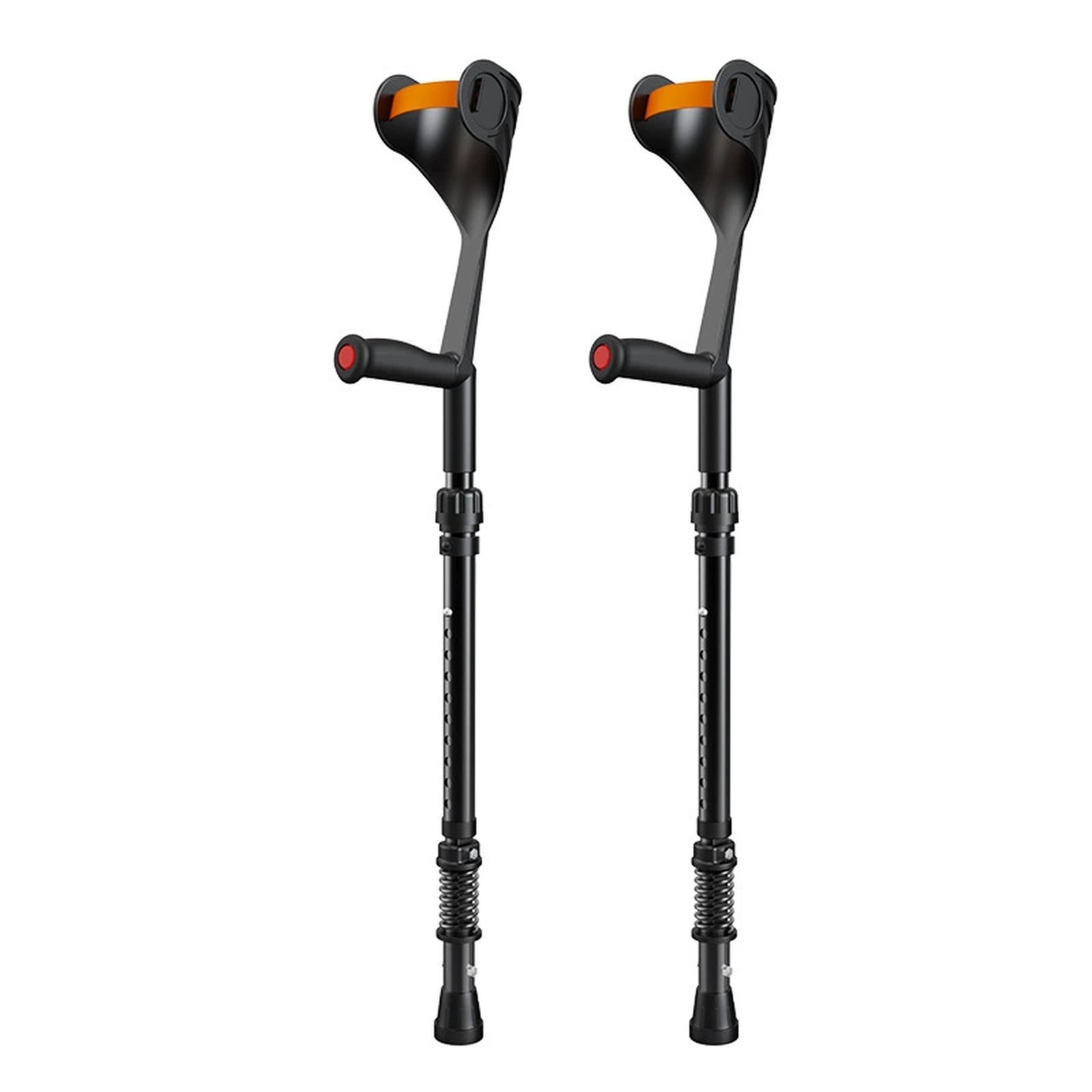
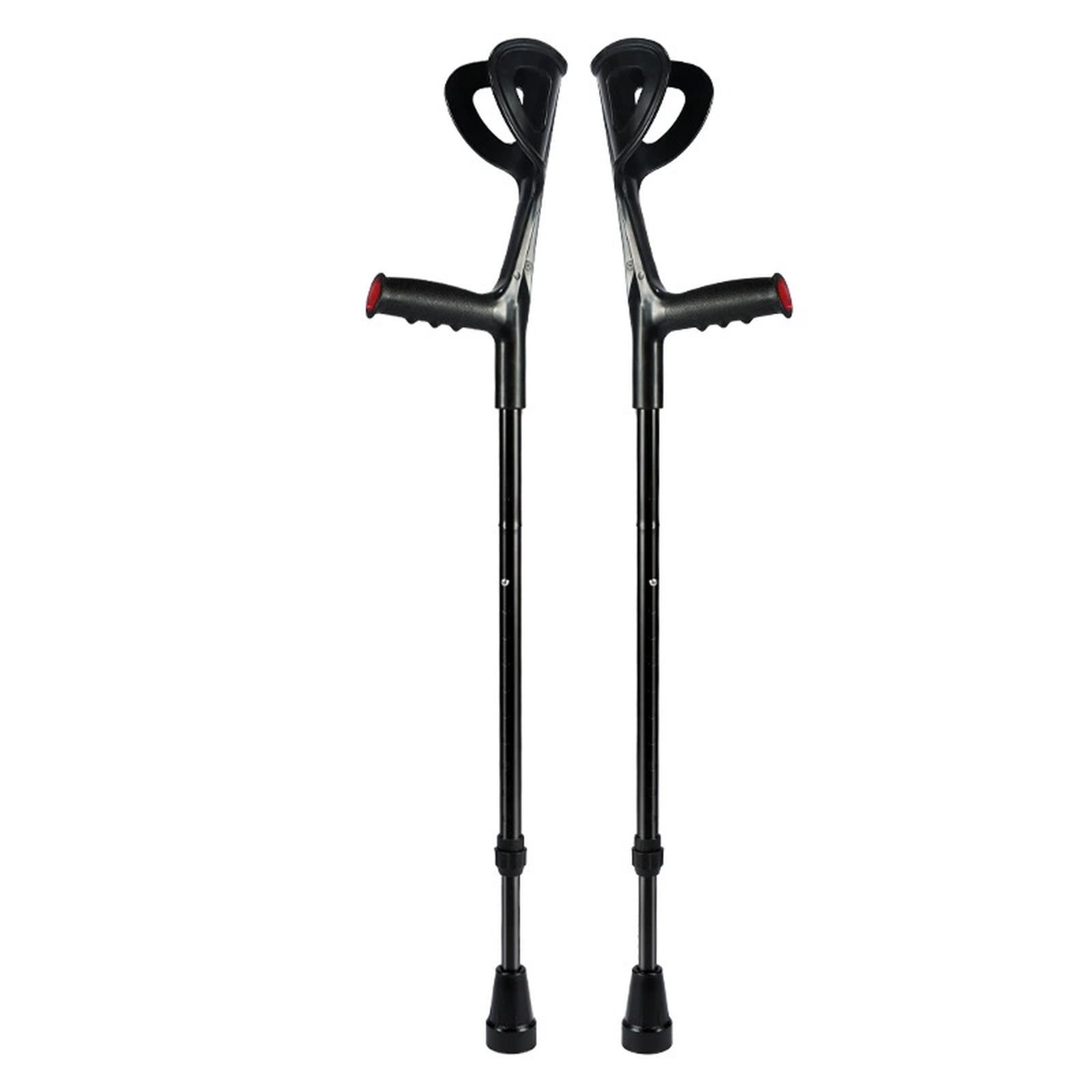
The Medical Aluminum Alloy Forearm Crutch is a walking support aid built for individuals needing single-side or double-side assistance during daily movement and balance. Its main body uses aluminum alloy, offering a lightweight yet sturdy structure for routine use in homes, senior care spaces, and rehabilitation settings. The crutch provides forearm support through a contoured rest, with a handgrip positioned for natural wrist alignment during weight-bearing steps. Height adjustment points allow fitting to the user’s arm length and torso posture, while rubber tips at the base supply traction on dry, level floors. Users should verify all locking collars are fully engaged before each use, and caregivers should guide first-time fitting in a clear area. This product supports walking and balance only; it does not replace professional medical treatment or prescribed rehabilitation exercises.
The crutches and canes VT1-CAC-015 is designed for practical daily care. It balances user support, operating convenience and routine caregiver efficiency. The configuration and materials shown in the specification table are matched to this product; select the final size and configuration for the user’s body dimensions, mobility, care needs and available space.
Before first use, place the product on a suitable, level surface and check every connection, lock, adjustment point, folding joint and brake or support component. The user should approach or transfer slowly while maintaining a stable posture. A caregiver should assist whenever balance, strength or coordination is limited. This product is a daily-care aid and does not replace medical assessment or a prescribed rehabilitation plan.
For ongoing use, keep contact surfaces clean and dry, inspect fasteners and moving parts at regular intervals, and stop using the product if any component becomes loose, damaged or unstable. Packaging dimensions and weights in the table are supplied for storage, shipping and receiving planning; actual batch labels and the selected configuration take precedence.
| Specification | Details |
|---|---|
| Product Name | Medical Aluminum Alloy Forearm Crutch |
| Product Category | Crutches and Canes |
| Overall Width | 10cm |
| Net Weight | 0.8kg |
| Main Frame Material | Aluminum Alloy+T P R |
| Material | Aluminum Alloy |
| Dimensions | 20*13*57 |
| Additional Specification | 57 |
| Carton Quantity | 1 |
| Package Dimensions | () × × 20 cm |
| Package Weight | 57 g( 0.057 kg) |
| Package Dimensions2 | 14820 × 800 × () cm |
| Package Weight2 | 20 g( 0.02 kg) |
| Package Dimensions3 | 13 × 57 × 14820 cm |
| Package Weight3 | () g |
The Vatocare Medical Aluminum Alloy Elbow Crutch is applicable for walking support, balance assistance, and daily mobility. It can be configured as needed in homes, elderly care facilities, rehabilitation centers, nursing spaces, or corresponding public facilities. For users requiring unilateral or bilateral support, the decision to use independently or with caregiver assistance should be based on physical condition, and height, angle, position, or support method adjustments should be completed before first use. The usage area should be flat, dry, and unobstructed, with items that could interfere with operation or passage kept clear of the surroundings; special attention should be paid to slip resistance and stability in bathroom, toilet, or mobility scenarios. As a crutch assistive product, it is intended to provide daily assistance and support and cannot replace medical diagnosis, professional rehabilitation programs, or procedures that must be performed by healthcare personnel.
The maximum recommended user weight is 120 kg. This limit applies per crutch when used individually or as part of a pair, assuming the user distributes weight evenly and the ground surface is level and dry.
Loosen the locking collar near the lower shaft, slide the inner tube to align the desired hole with the pin, then tighten the collar until it clicks or feels firm. Aim for the handgrip to meet the wrist crease when the arm hangs relaxed, and the forearm cuff to sit 3–5 cm below the elbow bend.
It is designed for level, dry indoor surfaces like tile, wood, or smooth concrete. On stairs, use the handrail for additional support and place the crutch one step below the good leg. Avoid loose gravel, mud, or wet pavement, as the rubber tip may slip or catch.
Confirm the locking collar is fully tightened and the height pin is visible through the hole. Inspect the rubber tip for cracks or worn tread below 2 mm. Make sure the forearm cuff is not cracked and the handgrip is free of grease. Test the crutch by pressing down firmly before transferring full weight.
Use a soft cloth dampened with warm water and a drop of mild dish soap. Wipe the cuff, handle, and shaft, then dry with a clean towel. Never submerge the crutch in water, and avoid alcohol, acetone, or chlorine-based cleaners, as these can degrade the plastic cuff and rubber tip.