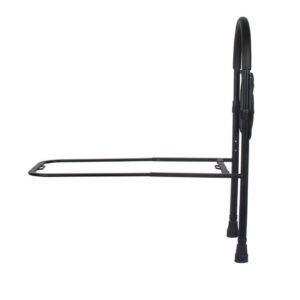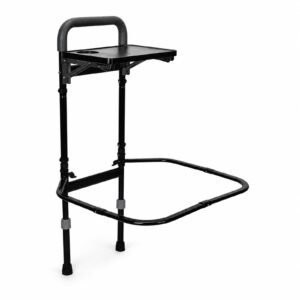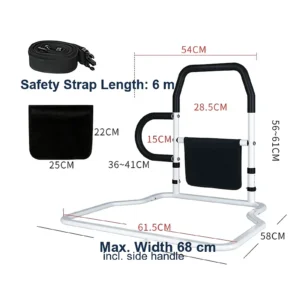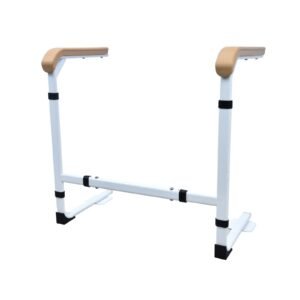
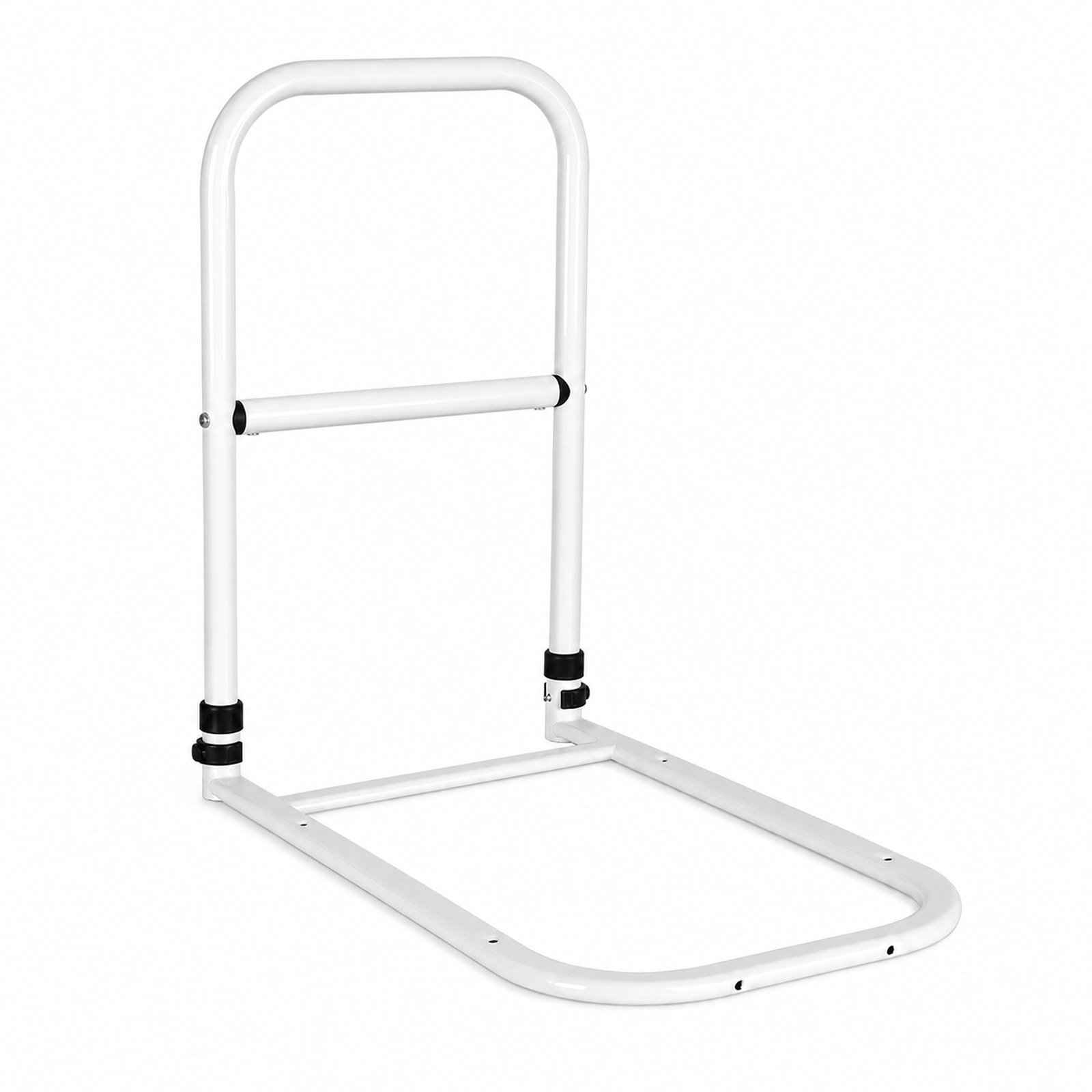
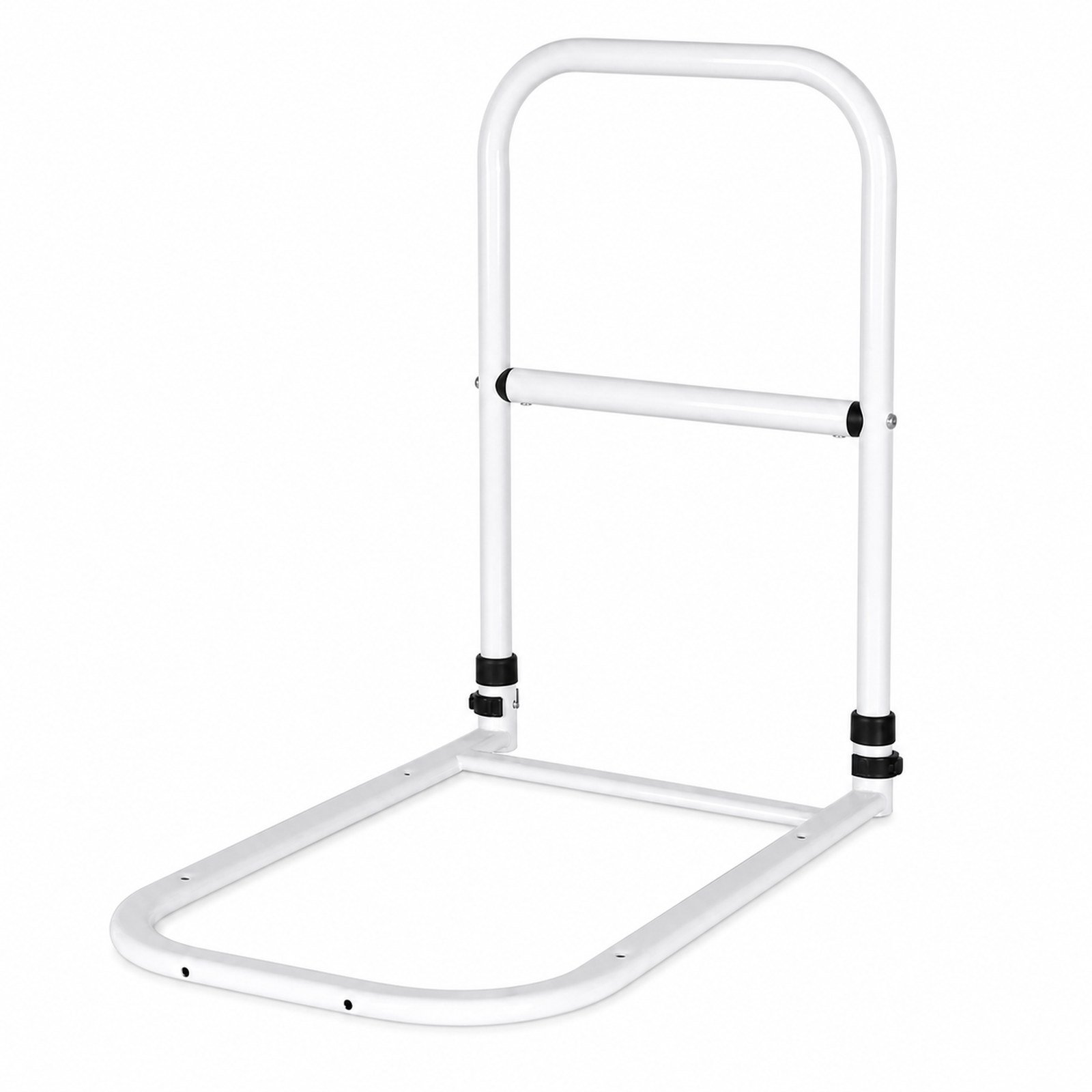
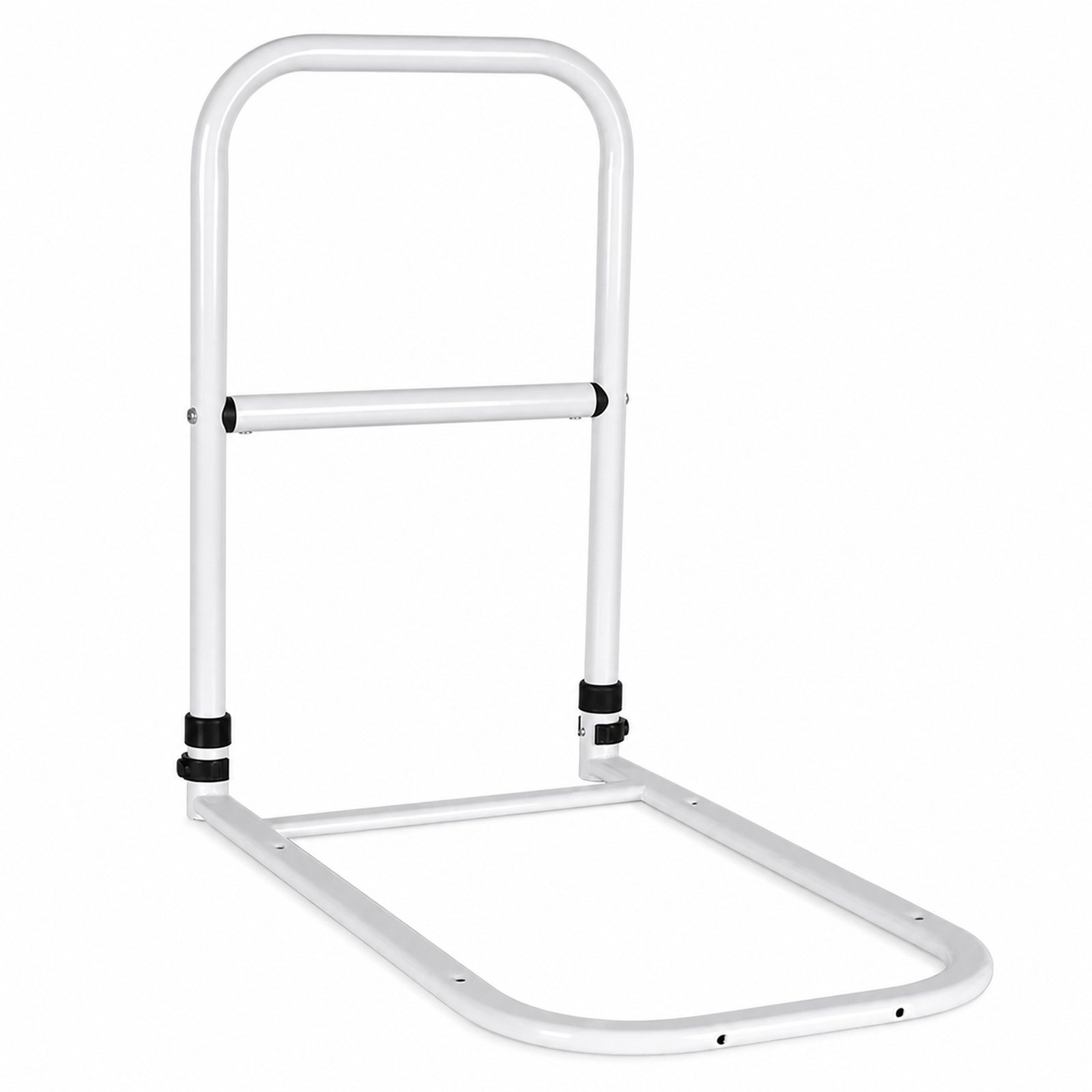
The White Bed Assist Rail is a white-finished bedside support built for older adults, people in recovery, and those needing bed-based care. It aids with bed fall prevention, rising assistance, and bedside attending. The rail relies on high carbon steel for strength and durability, with a structure meant for stable placement and repeated daily use. Users should confirm the rail sits level, all connections are tight, and any adjustable parts are locked before contact. It suits home settings, senior care spaces, rehabilitation areas, and similar facilities, but does not replace professional medical judgment or caregiver procedures.
The bed safety rail VT5-BSR-025 is designed for practical daily care. It balances user support, operating convenience and routine caregiver efficiency. The configuration and materials shown in the specification table are matched to this product; select the final size and configuration for the user’s body dimensions, mobility, care needs and available space.
Before first use, place the product on a suitable, level surface and check every connection, lock, adjustment point, folding joint and brake or support component. The user should approach or transfer slowly while maintaining a stable posture. A caregiver should assist whenever balance, strength or coordination is limited. This product is a daily-care aid and does not replace medical assessment or a prescribed rehabilitation plan.
For ongoing use, keep contact surfaces clean and dry, inspect fasteners and moving parts at regular intervals, and stop using the product if any component becomes loose, damaged or unstable. Packaging dimensions and weights in the table are supplied for storage, shipping and receiving planning; actual batch labels and the selected configuration take precedence.
| Specification | Details |
|---|---|
| Product Name | White Bed Assist Rail |
| Product Category | Bed Safety Rail |
| Load Capacity | 150kg |
| Material | Aluminum Alloy |
| Additional Specification | 81 |
| Package Dimensions | 45 × 36 × 8 cm |
| Package Weight | 3600 g( 3.6 kg) |
This bedside rail suits bedrooms, care homes, rehabilitation centers, nursing spaces, and similar facilities where bed-bound support is needed. It assists elderly users, those recovering from illness or injury, and individuals who require help getting in and out of bed. The rail can be used independently by people with adequate upper-body strength, or with assistance from a family member or caregiver when balance or mobility is limited. Place it on a flat, dry, and unobstructed floor surface. Before each use, confirm the rail is stable, all locking and adjustment points are secure, and there is enough clearance for the user to sit, turn, or move safely. This product provides everyday physical support only—it does not replace medical diagnosis, professional rehabilitation therapy, or procedures that require trained healthcare staff.
It is designed for older adults, people in recovery, and those needing bed-based care. Final suitability depends on the user’s body size, strength, balance, and available caregiver support.
Measure the user’s hip width and shoulder height while seated on the bed, plus the bed frame thickness and mattress height. Also measure doorways, the gap between bed and wall, and any storage or turning space near the bed.
Only if the person has sufficient arm strength, grip, and balance to shift weight safely. Anyone with weak trunk control, dizziness, or limited cognition should have a caregiver assist during every entry and exit.
Confirm the rail sits flat on the floor, all locking levers click into place, the folding joints are free of debris, and the height matches the user’s hip crease when seated. Test the rail’s stability by pressing down firmly before the user leans on it.
Use a soft cloth with mild soap and water, then wipe dry. Avoid abrasive pads, bleach, or acidic cleaners that can strip the white coating or weaken the steel. Check screws and welds for rust or looseness after every few weeks of use.
Match the rail to the bed’s side profile and the user’s weight. A heavier user needs a higher load rating, while a narrow bed requires a rail with a smaller clamp or base footprint. Compare the listed height range and adjustment travel to your mattress top and the user’s preferred sitting height.