
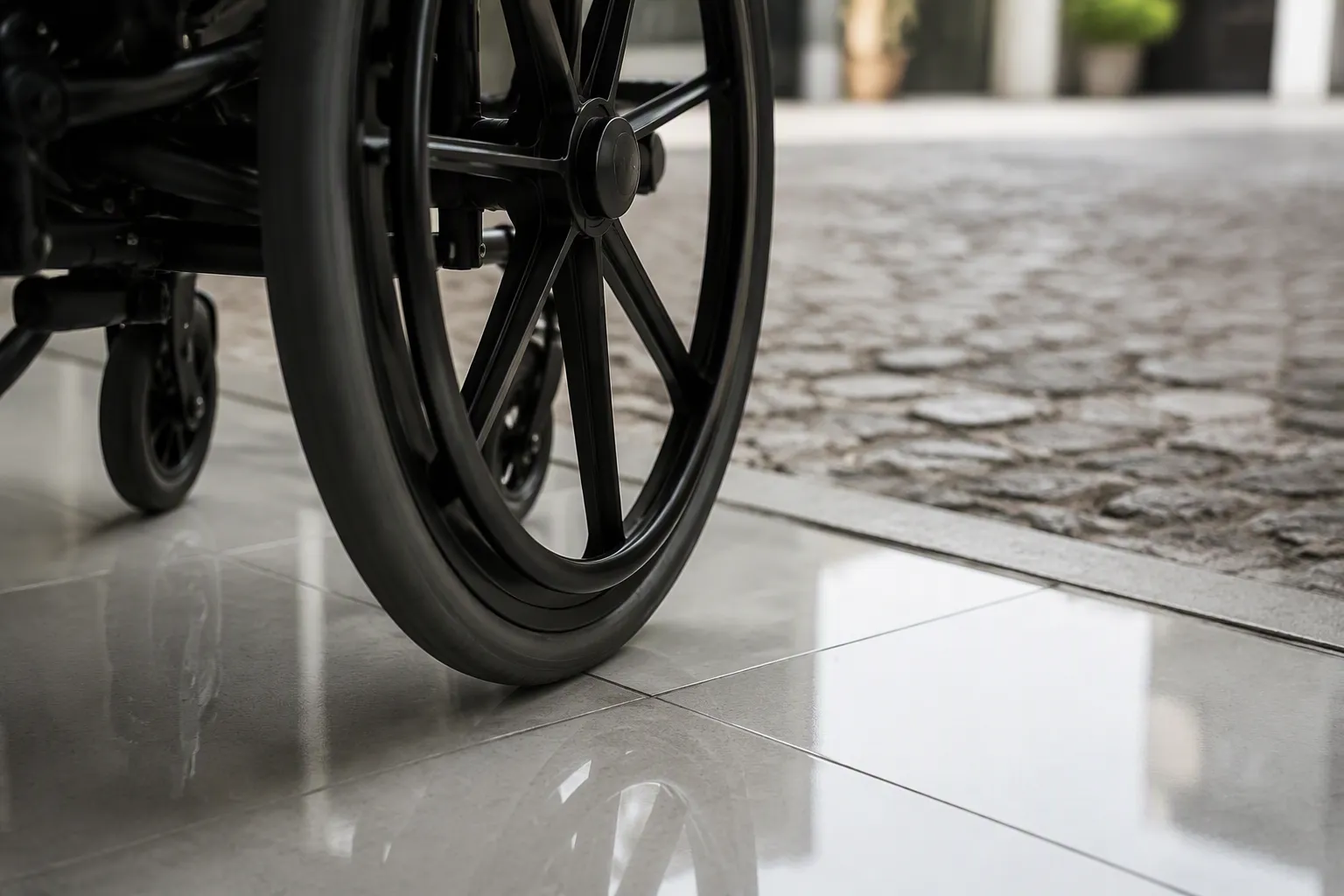
Solid wheelchair tires do feel noticeably rougher on tile and pavement than pneumatic tires. The lack of an air cushion means vibrations travel straight to the user. On tile, this roughness appears as constant micro-vibrations. On pavement, surface quality shapes the experience, yet solid tires still transmit more feedback. The trade-off is real: users gain flat-proof reliability and lose some comfort. Tire hardness, surface quality, and personal sensitivity determine how severe the roughness feels.
The Direct Answer on Solid Wheelchair Tires
Yes, They Feel Rougher
How Much Rougher on Tile
Tile floors present a hard, unyielding surface. Solid wheelchair tires lack the air cushion that pneumatic tires use for shock absorption. This absence allows every tiny imperfection to transfer directly into the wheelchair frame. Users feel constant micro-vibrations through the seat and handles. The sensation resembles driving a car without suspension over a washboard road. Pneumatic tires absorb these vibrations with their air volume. Solid tires cannot perform this function. The result on tile is a persistent buzz. Many users find this sensation fatiguing after extended indoor use.
How Much Rougher on Pavement
Pavement conditions vary widely. Smooth new asphalt produces less roughness. Cracked sidewalks and gravel surfaces produce much more. Solid tires transmit every surface irregularity without filtration. Small pebbles, expansion joints, and potholes become immediately noticeable. Users describe the feeling as more direct and harsh. Pneumatic tires deform around obstacles and smooth the ride. Solid tires push over them and transmit the shock. The roughness increases with speed. Faster rolling creates more frequent impacts against the tire.
But Not Always Dramatically
When the Difference Is Subtle
Several factors can minimize the perceived gap between solid and pneumatic tires. Very smooth polished concrete floors produce minimal vibration from any tire type. High-quality wheelchair frames with suspension features absorb some energy. Body weight also influences the sensation. Heavier users compress softer solid compounds more effectively. Individuals with lower sensitivity to vibration may not find the ride objectionable. In these scenarios, the difference between tire types remains subtle.
When the Difference Is Obvious
The roughness reveals itself quickly on uneven terrain. Cracked sidewalks, cobblestones, and asphalt with coarse aggregate amplify the feedback. Users with existing back pain or joint sensitivity feel the roughness immediately. Vibration travels through the chair and into the spine. Each bump and crack delivers a jarring impact. Indoor environments with thin tile over concrete subfloors also produce obvious roughness. The lack of give in solid tires forces the user to absorb all energy.
The Role of Tire Hardness
Soft Solid Rubber vs. Hard Polyurethane
Tire material significantly changes the ride quality. Soft solid rubber compounds offer some compliance under load. These tires deform slightly and absorb minor vibrations well. They grip surfaces effectively and quiet the chatter from tile floors. Hard polyurethane tires prioritize durability over comfort. They resist wear better and maintain shape longer. They also transmit more vibration and noise. Hard compounds reflect surface irregularities rather than absorbing them. Users who prioritize comfort should choose soft rubber. Users who prioritize longevity may accept the harder ride.
How Thickness Changes the Feel
Thicker solid tires provide more material for deformation. This extra thickness allows the tire to compress slightly against the surface. It reduces the transmission of small vibrations significantly. Thinner tires transmit feedback more directly. Less material exists to absorb energy. Wheelchair frame clearance limits tire thickness. Users cannot install thicker tires than the frame accommodates. The sweet spot balances enough thickness for comfort with proper fit for the wheelchair.
Why Solid Wheelchair Tires Feel Rougher
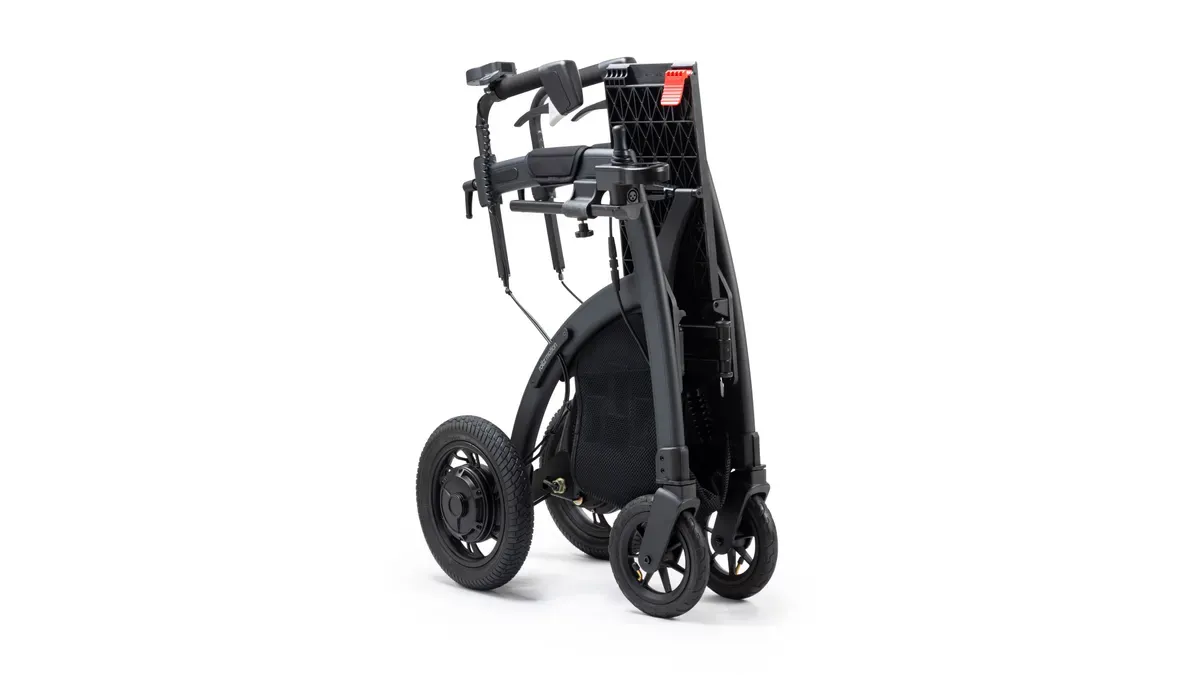
The Mechanics of Vibration
How Pneumatic Tires Absorb Shocks
Pneumatic tires contain a pocket of compressed air. This air pocket acts as a spring. When the tire rolls over a bump, the air compresses and absorbs the energy. The tire deforms around the obstacle. This deformation smooths the ride. The wheelchair frame receives less vibration. The user feels a softer, more cushioned experience. Air pressure determines the stiffness of the ride. Lower pressure absorbs more shock. Higher pressure improves efficiency but reduces comfort.
How Solid Tires Transmit Energy
Solid tires contain no air pocket. They consist of solid rubber or polyurethane. These materials compress very little under load. When the tire hits a bump, the energy has nowhere to go. The tire pushes the energy upward into the wheelchair frame. The frame transfers that energy to the seat and handles. The user absorbs the full impact. Every crack, pebble, and joint sends a jolt through the chair. This direct energy transfer creates the rough ride.
The Missing Air Cushion
What Air Does for Comfort
Air provides a flexible cushion between the tire and the road. This cushion deforms under pressure. It molds to the shape of small obstacles. The air distributes impact forces across a wider area. This distribution reduces peak pressure on the wheelchair. The result is a smoother, quieter ride. Air also dampens high-frequency vibrations. These vibrations cause fatigue and discomfort over time.
What Happens When Air Is Removed
Removing air eliminates the cushion entirely. The tire becomes a rigid hoop. It cannot deform around obstacles. Every surface irregularity transfers directly to the frame. The ride becomes harsh and noisy. Vibration travels through the seat and backrest. Users feel every texture in the floor. The lack of damping makes long rides tiring. This effect explains why solid wheelchair tires feel rougher than pneumatic options.
Surface Matters
Tile and Smooth Concrete
Tile and smooth concrete offer hard, unforgiving surfaces. These materials reflect vibration rather than absorb it. Small imperfections in the tile create constant chatter. The solid tire transmits this chatter directly to the user. The result is a persistent buzz through the wheelchair.
Asphalt and Uneven Pavement
Asphalt varies in texture and quality. Smooth asphalt produces moderate vibration. Cracked sidewalks and rough pavement produce severe feedback. Expansion joints and potholes create sharp impacts. The solid tire cannot soften these blows. Speed amplifies the effect. Faster rolling means more frequent and forceful impacts.
Carpet and Grass for Contrast
Carpet and grass provide natural cushioning. These surfaces absorb vibration before it reaches the tire. The ride feels noticeably smoother on these surfaces. This contrast highlights the roughness on tile and pavement. Soft ground masks the harshness of solid tires. Hard ground reveals it fully.
Tile vs. Pavement: A Closer Look
On Tile Floors
Why Tile Amplifies Roughness
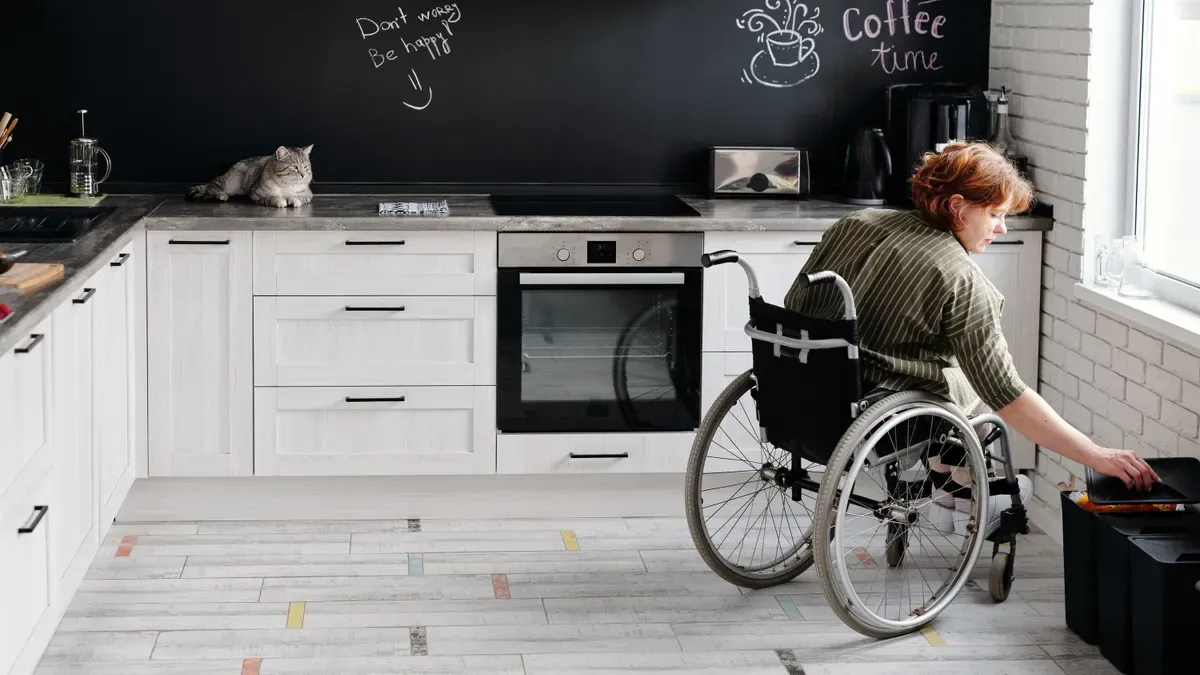
Tile ranks among the hardest indoor surfaces. It offers zero give under a rolling wheel. Solid wheelchair tires cannot compress against this rigid material. Every grout line and tile edge sends a distinct pulse through the frame. The hard surface reflects vibration instead of absorbing it. This reflection creates a constant chatter that travels up through the seat. The effect intensifies in large open spaces with no carpet or rugs to break the pattern.
Common Indoor Scenarios
Homes, offices, and hospitals commonly feature tile flooring. Kitchens, bathrooms, and hallways often use ceramic or porcelain tile. A user navigating these spaces all day feels the cumulative effect. The vibration becomes a background hum that wears on the body. Long corridors with polished tile produce the most noticeable roughness. Small rooms with frequent turns create sharper, more frequent impacts.
On Pavement
Smooth Asphalt vs. Cracked Sidewalks
Pavement quality varies dramatically from one block to the next. Fresh asphalt offers a relatively smooth ride. Solid tires still transmit texture, but the feedback stays mild. Cracked sidewalks tell a different story. Raised edges, root damage, and loose gravel create sharp jolts. Each crack delivers a direct hit to the wheelchair frame. The rougher the pavement, the more the user feels every defect.
How Speed Changes the Feel
Speed amplifies roughness on any surface. A slow roll over a crack produces a mild bump. The same crack at higher speed delivers a harsh jolt. Faster travel means more impacts per minute. The body has less time to recover between vibrations. Users who push quickly over rough pavement report greater fatigue. Slowing down on damaged surfaces reduces the shock significantly.
The Surprising Role of Wheel Size
Small Casters vs. Large Rear Wheels
Small front casters hit obstacles at a steep angle. They drop into cracks and catch on raised edges. Large rear wheels roll over the same obstacles with less disruption. The size difference changes how each wheel handles vibration. Small casters transmit sharper feedback to the frame. Large rear wheels distribute impact forces across a wider arc. This distribution softens the ride noticeably.
How Wheel Material Interacts with Tires
Wheel material also shapes the feel. Aluminum and composite wheels transmit vibration efficiently. They offer strength and low weight but no damping. Some wheels use rubber or polyurethane hubs that absorb minor shocks. The tire compound interacts with the wheel material. A soft tire on a rigid wheel still transmits some vibration. A soft tire on a dampening wheel produces the smoothest ride.
The Comfort Trade-Off with Solid Wheelchair Tires
Every tire choice involves a trade-off. Solid wheelchair tires offer remarkable reliability. They also demand a comfort sacrifice. Understanding both sides of this equation helps users make an informed decision. The gains and losses deserve careful examination.
What You Gain
No More Flat Tires
Flat tires rank among the most frustrating wheelchair problems. A puncture can strand a user miles from home. It can derail a workday or ruin an outing. Solid tires eliminate this problem entirely. They contain no air to leak. A nail, a shard of glass, or a thorn causes no damage. The tire continues rolling without interruption. Users never experience the sudden deflation that leaves pneumatic tires useless. This reliability provides peace of mind. A user can travel through rough neighborhoods or construction zones without worry. The fear of flats disappears from daily life.
Zero Air Pressure Maintenance
Pneumatic tires require regular pressure checks. Under-inflated tires feel sluggish and strain the user’s arms. Over-inflated tires transmit more vibration and reduce traction. Finding the right pressure demands attention and effort. Solid tires remove this task completely. They maintain consistent performance without any adjustment. Users never search for an air pump. They never guess whether the pressure is correct. The tire performs the same way every day. This consistency simplifies wheelchair ownership. It also removes a barrier for users with limited hand function. Those individuals may struggle to operate a pump or gauge. Solid tires ask nothing of them.
Longer Tire Lifespan
Solid tires typically outlast pneumatic tires by a wide margin. The thick rubber or polyurethane compound resists wear. It does not degrade from UV exposure or ozone like rubber inner tubes. It does not develop slow leaks from tiny punctures. A solid tire may last several years with normal use. A pneumatic tire may need replacement after a single bad puncture. The longer lifespan reduces replacement costs over time. It also reduces waste. Users who value durability find solid tires an attractive option. The upfront cost may be higher. The long-term value often justifies the investment.
What You Lose
Increased Vibration and Bumpiness
The most immediate loss is comfort. Solid tires transmit vibration directly to the user. Every tile grout line, every pavement crack, and every pebble sends feedback through the frame. The seat and backrest vibrate constantly on hard surfaces. This vibration creates a buzzing sensation that never fully stops. The ride feels harsh compared to pneumatic tires. Users notice the difference immediately on tile floors. The effect intensifies with speed. A fast roll across a tiled hallway produces a continuous chatter. The body absorbs this energy with no cushion to help.
Reduced Shock Absorption
Pneumatic tires absorb shocks through air compression. The air pocket deforms around obstacles and softens the impact. Solid tires cannot perform this function. They compress very little under load. When a solid tire hits a bump, the energy travels straight into the wheelchair frame. The user feels the full force of the impact. A crack in the sidewalk delivers a sharp jolt. A raised expansion joint sends a sudden shock through the seat. This lack of shock absorption affects every ride. It makes rough surfaces feel rougher. It turns small obstacles into noticeable events.
Potential for More Fatigue
Vibration and shock absorption take a toll on the body. Constant vibration causes muscles to tense. The user’s core works harder to stabilize the torso. The arms and shoulders absorb more impact through the pushrims. Over hours of use, this extra effort accumulates. Users report feeling more tired after a day on solid tires. The fatigue affects both physical energy and mental focus. A rough ride demands more attention and more physical effort. This fatigue can reduce independence. Users may avoid certain routes or activities to escape the discomfort.
Who Should Prioritize Comfort
Users with Back or Joint Pain
Individuals with existing back pain or joint conditions should think carefully about tire choice. Vibration aggravates spinal issues and joint inflammation. Every bump sends a shock through the spine and hips. Solid tires amplify this effect. Pneumatic tires cushion the ride and reduce the strain on sensitive areas. A user with a herniated disc or arthritis may find solid tires unbearable. The vibration can trigger pain flares and muscle spasms. For these individuals, comfort is not a luxury. It is a medical necessity. Pneumatic tires or foam-filled alternatives serve them better.
Users Who Spend Hours Indoors
Indoor environments often feature hard flooring. Tile, linoleum, and polished concrete dominate homes, offices, and healthcare facilities. A user who spends most of the day indoors faces constant vibration from solid tires. The cumulative effect over eight or ten hours becomes significant. The body never gets a break from the chatter. This constant stimulation leads to discomfort and exhaustion. Users who navigate long hallways or spend hours at a desk feel the impact. Pneumatic tires provide relief on these hard surfaces. The air cushion absorbs the micro-vibrations that tile floors create. For indoor-heavy lifestyles, comfort should take priority.
Who Should Prioritize Durability
Durability matters most for users who face harsh conditions or who want to avoid constant upkeep. Solid wheelchair tires serve these individuals well. The flat-proof construction and long lifespan align with their daily realities. Two groups benefit most from this durability advantage.
Users in Urban Environments
City streets and sidewalks present constant hazards for wheelchair users. Broken glass, metal debris, and sharp gravel litter the pavement. Construction zones scatter nails and screws across the path. A pneumatic tire faces puncture risks at every turn. One unlucky encounter with a shard of glass ends the ride. The user must stop, find a repair kit, and patch the tube. This disruption wastes time and energy. It can also leave the user stranded in an unsafe location.
Solid wheelchair tires eliminate this vulnerability. They roll over glass and debris without losing air. A nail embedded in the rubber causes no deflation. The tire continues performing exactly as before. Urban users gain the freedom to travel anywhere without scanning the ground for hazards. They can cross construction zones and navigate alleyways with confidence. This reliability transforms the daily commute. It opens routes that pneumatic tire users might avoid.
Urban environments also feature varied surfaces. Sidewalk cracks, curb cuts, and metal grates create constant impacts. Solid tires handle these obstacles without the risk of pinch flats. A pneumatic tire can pinch against a sharp curb edge and lose air instantly. Solid tires cannot suffer this failure. The durability extends beyond puncture resistance. The thick rubber compound resists cuts and abrasions from rough concrete. It withstands the constant friction of city travel. Users in urban settings should prioritize durability for these reasons. The reliability outweighs the comfort sacrifice for many city dwellers.
Users Who Hate Maintenance
Some individuals simply do not want to think about tire care. They view wheelchair maintenance as a burden. Checking air pressure every week feels like a chore. Finding a working pump at a gas station or bike shop adds frustration. Patching a flat tire requires tools, time, and patience. Many users lack the hand strength or dexterity for these tasks. Others lack the knowledge to perform repairs correctly.
Solid tires remove every maintenance requirement. The user never checks pressure. The user never adds air. The user never patches a tube or replaces a valve stem. The tire arrives ready to install and performs without attention for years. This hands-off reliability appeals to users with busy schedules. It also serves users with limited hand function. Conditions like arthritis or carpal tunnel syndrome make pump operation painful. Solid tires ask nothing of these individuals. The wheelchair stays ready at all times.
Users who hate maintenance also value predictability. A pneumatic tire can lose pressure slowly over weeks. The ride quality changes gradually. The user may not notice until the tire feels sluggish. Solid tires perform identically every day. The user knows exactly how the wheelchair will roll. This consistency removes uncertainty from daily travel. It simplifies life for users who prefer to focus on other priorities. For these individuals, durability means freedom from worry. Solid tires deliver that freedom reliably.
Real-World Impact on Daily Use
Fatigue and Energy Efficiency
How Vibration Affects Your Body
Constant vibration from solid wheelchair tires triggers a cascade of physical responses. Muscles in the back, shoulders, and arms contract involuntarily to stabilize the body against each shock. This micro-adjustment repeats hundreds of times per minute on rough surfaces. The cumulative effect taxes the nervous system and accelerates fatigue over the course of a day. Users report more tension in the upper body and a greater sense of weariness after long rides. The spine absorbs repeated compression loads with each bump. Joints in the wrists and elbows also take additional strain during the push stroke.
Does Roughness Slow You Down
Roughness translates directly into reduced efficiency. Manual wheelchair users must push harder and more frequently to maintain speed on challenging surfaces. The tire compound plays a decisive role in this energy equation. Solid non-pneumatic tires carry higher rolling resistance than properly inflated pneumatic tires. This difference increases the energy demand for propulsion. Users expend more effort with each push stroke. The table below summarizes the key performance differences.
| Tire Type | Rolling Resistance | Energy Demand | Propulsion Efficiency |
|---|---|---|---|
| Solid non-pneumatic | Higher | Higher | Lower |
| Pneumatic | Lower when properly inflated | Lower | Good |
Lower wheeling efficiency raises the metabolic cost of travel. Over a mile of distance, the additional energy requirement accumulates significantly. Pneumatic tires deliver good rolling characteristics and lower energy demand when maintained at correct pressure.
Indoor vs. Outdoor Scenarios
Navigating a Home or Office
Indoor environments present consistent hard surfaces. Tile floors, linoleum, and polished concrete create a steady vibration under solid tires. Short distances between rooms mask some of the roughness. Longer hallways reveal the cumulative effect. The user feels constant feedback through the floor with each push. Pneumatic tires absorb this indoor chatter effectively and reduce the overall fatigue burden. Users who spend eight hours inside a home or office experience the contrast most acutely.
Rolling Through a Parking Lot or Park
Outdoor surfaces introduce unpredictable challenges. Parking lots feature asphalt with varying texture. Expansion joints create sharp jolts at regular intervals. Parks combine gravel paths, grass, and uneven pavement. Solid tires transmit each surface transition directly to the frame. The absence of shock absorption becomes most apparent on these varied terrains. Users must brace their bodies more actively and slow their pace to manage the impacts. For those who traverse city sidewalks daily, this constant feedback becomes part of the normal routine.
The Effect on Your Equipment
Wear on Wheelchair Frames
Vibration accelerates mechanical stress on the wheelchair frame. Bolts loosen over time from repeated shocks. Welded joints experience fatigue cycles that can lead to cracking under heavy use. Components such as bearing housings and caster forks endure additional load. Users of solid tires may need to inspect frame fasteners more frequently. Tightening loose hardware prevents further damage and maintains wheelchair safety.
Wear on Your Body Over Time
Repetitive vibration exposure affects the body cumulatively. Joints in the wrists and shoulders absorb energy during each push. The spine experiences repeated compression from road shocks. This long-term stress can worsen pre-existing conditions. It may also contribute to new pain patterns over years of use. Proactive countermeasures such as padded gloves and cushioned seat inserts help reduce this gradual wear.
Maintenance and Longevity Differences
Solid Tires: Set It and Forget It
No Pumping, No Patching
Solid tires eliminate the most tedious aspects of wheelchair ownership. Users never check air pressure. They never search for a working pump at a gas station or bike shop. They never carry a repair kit or patch a punctured tube mid-route. The tire delivers consistent performance from the day of installation until the day of replacement. This hands-off approach saves significant time and mental energy each week. It also removes a physical barrier for users with arthritis or limited hand strength. Operating a pump or tire gauge becomes difficult for these individuals. Solid tires ask nothing of them. The wheelchair remains ready to roll at all times without any preparation.
When They Finally Wear Out
No tire lasts indefinitely. Solid tires eventually show signs of wear. Users should inspect the tread area regularly for flat spots, cracks, or missing chunks. These defects indicate that the tire has reached the end of its service life. Continuing to use a damaged tire compromises safety and ride quality.
Solid tires last 1 to 3 years but should be replaced when they develop flat spots, cracks, or chunks missing from the tread.
The replacement process involves removing the wheel from the chair, prying off the old tire with levers, and pressing a new tire onto the rim. Most wheelchair dealers offer this replacement service for a modest fee. Users who prefer a hands-on approach can purchase tire levers and complete the job at home. The process takes roughly thirty minutes for an experienced user.
Pneumatic Tires: Ongoing Care
Checking Pressure Regularly
Pneumatic tires demand consistent attention to maintain proper performance. Users should check air pressure with a gauge at least once per week. The recommended pressure range varies by tire model. Under-inflation increases rolling resistance and makes the wheelchair feel sluggish. Over-inflation transmits more vibration through the frame and reduces traction on smooth floors. Finding the sweet spot requires a few minutes each week. A floor pump with a built-in gauge makes this task convenient. Neglecting pressure checks leads to reduced efficiency and a less comfortable ride.
Fixing Flats on the Go
Punctures can strike at any moment. A nail, a shard of glass, or a sharp stone can flatten a pneumatic tire in seconds. Users who travel away from home should carry a comprehensive repair kit. The kit should include tire levers, rubber patches, a small pump or CO2 inflator, and at least one spare inner tube. Replacing a tube on the roadside takes fifteen to twenty minutes for an experienced user. This disruption delays travel and can leave a user stranded in an inconvenient location. Frequent flats also discourage users from exploring new routes or traveling long distances.
The Hidden Cost of Comfort
Time Spent on Maintenance
The ride comfort of pneumatic tires carries a hidden price in time. Weekly pressure checks consume five to ten minutes each session. Flat repairs consume fifteen to twenty minutes per incident. Over a single year, a user who experiences three flat tires spends over an hour on repairs alone. The cumulative time investment across the lifespan of the chair adds up substantially.
| Maintenance Task | Solid Tires | Pneumatic Tires |
|---|---|---|
| Weekly pressure check | None | 5–10 minutes |
| Flat repair per incident | None | 15–20 minutes |
| Typical replacement interval | 1–3 years | 6–12 months |
| Ongoing effort | Minimal | Consistent |
This comparison makes the difference clear. Solid tires require almost no ongoing effort. Pneumatic tires demand regular attention throughout their service life.
Money Spent on Replacements
Financial considerations also favor solid tires in many cases. A single pneumatic tire costs less than a solid replacement. However, pneumatic tires fail more frequently due to punctures and tread wear. Each flat requires a new inner tube or a complete replacement. Solid wheelchair tires carry a higher initial purchase price. They also last significantly longer without failure. Users who calculate total cost over several years often find solid tires more economical. The upfront investment pays dividends in reduced replacement frequency and eliminated repair supplies.
Hybrid and Alternative Options
Airless Foam-Filled Tires
A Middle Ground
Foam-filled tires occupy the space between solid and pneumatic designs. Manufacturers inject a lightweight foam core inside a standard rubber casing. This foam compresses slightly under load. It absorbs small vibrations that a solid tire would transmit. The tire never goes flat because no air exists inside. Users gain some cushioning without the maintenance burden of pneumatic tires. The ride feels softer than a hard polyurethane tire. It still feels firmer than a properly inflated pneumatic tire.
How They Compare to Solid and Pneumatic
Each tire type offers a distinct balance of comfort and reliability. The table below summarizes the key differences.
| Feature | Solid | Foam-Filled | Pneumatic |
|---|---|---|---|
| Flat risk | None | None | High |
| Shock absorption | Minimal | Moderate | High |
| Maintenance | None | None | Regular |
| Weight | Heavy | Moderate | Light |
Foam-filled tires suit users who want flat protection and better comfort than solid wheelchair tires provide. They weigh less than solid rubber models. They cost more than standard pneumatic tires. The foam core can degrade over time and lose some cushioning. Replacement intervals vary by manufacturer and use.
Tire Inserts and Liners
Flat Protection for Pneumatic Tires
Tire inserts add a protective layer between the tire and the inner tube. These liners consist of tough materials like Kevlar or thick rubber. They block glass, thorns, and nails from reaching the tube. Users install them inside the tire casing during a tube change. The liner adds minimal weight and preserves the pneumatic ride quality. This option appeals to users who want air cushioning without constant flat repairs.
Do They Change the Feel
Inserts add a small amount of rolling resistance. Most users notice no significant difference in comfort. The air chamber still absorbs shocks effectively. The liner sits between the tread and the tube. It does not interfere with the tire’s ability to deform over bumps. Some users report a slightly firmer ride. The change remains minor compared to switching tire types entirely.
Choosing the Right Tire for You
Questions to Ask Yourself
Several questions help narrow the choice. How far does the user travel each day? What surfaces does the user encounter most often? Does the user have hand strength for pump operation? How much does the user value comfort versus reliability? Does the user have a backup plan for flat repairs? Honest answers to these questions guide the decision.
Matching Tires to Your Daily Routine
Indoor users on tile floors benefit most from pneumatic or foam-filled tires. Urban commuters who face debris should consider solid or foam-filled options. Users who split time between indoor and outdoor environments often find foam-filled tires the best compromise. Tire choice should reflect the actual demands of daily life.
Making the Decision
If Comfort Is Your Top Priority
Stick with Pneumatic Tires
Pneumatic tires remain the best choice for users who value a smooth ride above all else. The air cushion absorbs vibrations from tile, pavement, and uneven surfaces. Users with back pain, joint conditions, or high daily mileage benefit most from this design. The softer ride reduces fatigue and protects the body from repeated shocks. Pneumatic tires require regular pressure checks and carry a risk of flats. For comfort-focused users, these trade-offs are acceptable.
Consider Foam-Filled as a Compromise
Foam-filled tires offer a middle path between comfort and reliability. The foam core absorbs small vibrations better than solid rubber. It never goes flat because no air exists inside. Users gain some cushioning without the maintenance burden of pneumatic tires. The ride feels firmer than air-filled options but softer than hard polyurethane. Foam-filled tires suit users who want flat protection and reasonable comfort in one package.
If Reliability Is Your Top Priority
Solid Tires Are the Clear Winner
Solid wheelchair tires eliminate flats and maintenance entirely. They roll over glass, nails, and debris without losing performance. Users never check pressure or patch a tube. The thick rubber compound lasts for years under normal use. Urban commuters and maintenance-averse individuals benefit most from this reliability. The upfront cost is higher, but the long-term value justifies the investment.
How to Mitigate the Roughness
Users can reduce the harshness of solid tires with a few adjustments. Softer rubber compounds absorb more vibration than hard polyurethane. Wider tires provide more material for deformation. Slower speeds on rough surfaces reduce the frequency of impacts. A cushioned seat adds another layer of protection. These strategies make solid tires more tolerable without sacrificing their reliability.
Practical Tips for Solid Tire Users
Adding a Cushion to Your Seat
A gel or foam seat cushion absorbs vibration before it reaches the body. This simple addition reduces fatigue on tile and pavement. Users should choose a cushion that balances pressure relief with stability.
Adjusting Your Speed on Rough Surfaces
Slowing down on cracked sidewalks and uneven pavement reduces shock. Faster speeds amplify every bump and crack. A moderate pace keeps the ride manageable.
Choosing Softer Solid Rubber Compounds
Soft rubber deforms slightly under load and absorbs minor vibrations. Hard polyurethane lasts longer but transmits more feedback. Users who prioritize comfort should select softer compounds when available.
Test ride both tire types before committing. Personal sensitivity to vibration varies widely.
Solid wheelchair tires do feel rougher on tile and pavement. Tire hardness, surface quality, and personal sensitivity determine the severity. The roughness results directly from losing the air cushion that pneumatic tires provide. Many users accept the trade-off because solid tires eliminate flats and maintenance. Others, especially those with pain or fatigue issues, find pneumatic tires the better choice. No single answer fits everyone. Priorities, lifestyle, and daily surfaces shape the decision. Users should test ride both types when possible and consider hybrid options like foam-filled tires. Comfort and independence should guide the final choice.
FAQ
Do solid tires make wheelchairs harder to push?
Solid tires increase rolling resistance compared to properly inflated pneumatic tires. Users expend more energy with each push stroke. The extra effort becomes most noticeable over long distances or on rough surfaces. Softer rubber compounds reduce this effect slightly.
Can users switch from pneumatic to solid tires on any wheelchair?
Most wheelchairs accept both tire types if the rim size matches. Users should verify the tire diameter and width fit their existing rims. Some specialty wheels require specific tire designs. A dealer can confirm compatibility before purchase.
How long do solid wheelchair tires typically last?
Solid tires usually last one to three years with normal use. Hard polyurethane compounds last longer than soft rubber. Users should replace them when flat spots, cracks, or missing tread chunks appear. Regular inspection prevents safety issues.
Do solid tires damage tile or hardwood floors?
Solid tires cause no more floor damage than pneumatic tires. The rubber compound leaves no marks under normal rolling. Sharp debris embedded in the tread can scratch surfaces. Users should clean the tread periodically to prevent this problem.
Are foam-filled tires quieter than solid tires?
Foam-filled tires absorb more vibration than solid rubber. The foam core dampens chatter on tile and pavement. Users report a noticeably quieter ride. The improvement falls short of pneumatic tire performance but exceeds solid tire comfort.
What tire pressure works best for pneumatic wheelchair tires?
Most wheelchair tires recommend 40 to 100 psi depending on the model. Lower pressure absorbs more shock and improves comfort. Higher pressure reduces rolling resistance and improves efficiency. Users should follow the manufacturer’s recommendation printed on the sidewall.
Can users add suspension to reduce solid tire roughness?
Some wheelchair frames offer built-in suspension systems. These designs absorb vibration before it reaches the seat. Aftermarket suspension caster forks also help. A quality seat cushion provides the simplest and most affordable improvement.
Do solid tires perform well in wet conditions?
Solid rubber grips wet surfaces adequately on most indoor floors. Hard polyurethane becomes slippery on smooth wet tile. Users should slow down and take wider turns in wet conditions. Tread patterns improve traction on outdoor pavement.