
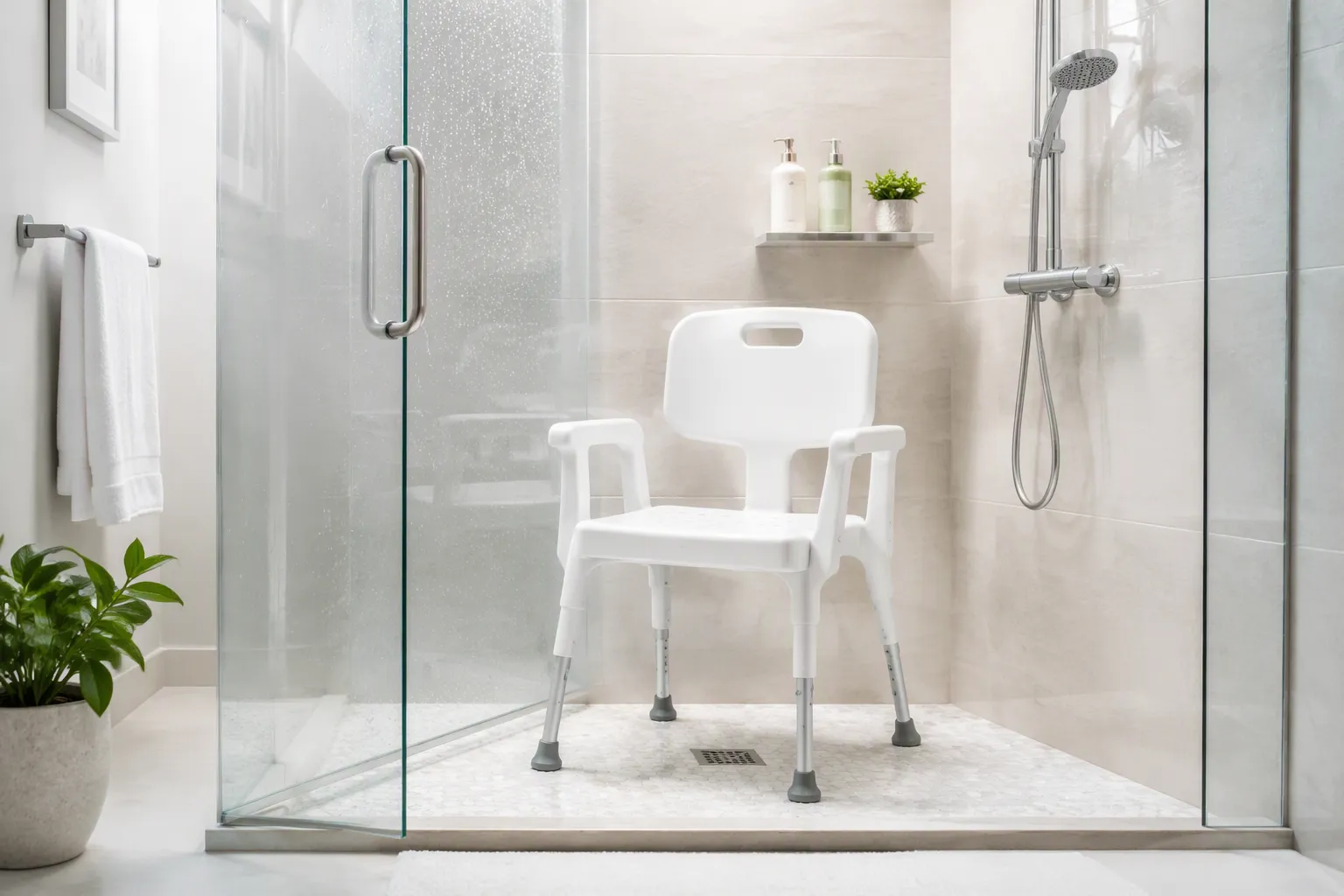
Yes, a shower chair can generally stay in the shower all week, but the material and maintenance routine determine the outcome. Plastic and stainless steel handle constant moisture best. Aluminum and wood need more attention to stay in good condition. A few simple habits protect both the chair and the user’s safety. Quick rinses and proper drying prevent most problems, including mold, rust, and soap buildup. With the right approach, a shower chair left in shower all week remains a practical and reliable option.
The Short Answer: Yes, With Conditions
A shower chair can stay in the shower all week under the right circumstances. The material of the chair and the moisture level of the bathroom determine whether week-long storage works well or creates problems. Homeowners who understand these two factors make better decisions about their equipment.
Material Matters Most
The material of a shower chair determines how well it tolerates constant moisture. Some materials thrive in wet environments. Others degrade quickly without careful maintenance.
Plastic and Stainless Steel
Plastic and stainless steel represent the most forgiving options for constant moisture exposure. Plastic chairs resist rust and remain light, which makes them easy to reposition. Stainless steel chairs offer the most robust and durable construction available, though they weigh more than other materials. When selecting a material, users should weigh expected lifespan and frequency of use against weight and maintenance needs.
| Material | Advantages under moisture | Drawbacks under moisture |
|---|---|---|
| Plastic | Lightweight, does not rust, simple to clean | May deform (warp) or fade/discolor with extended exposure |
| Stainless Steel | Long-lasting, strongly resists rust | Heavier; needs thorough drying to prevent water spots |
Aluminum and Wood
Aluminum and wood require more attention in a constantly wet environment. Aluminum resists rust on its surface, but the protective coating can wear down over time. Wood and bamboo absorb moisture and need thorough drying after each use. These materials work well for homeowners who commit to regular maintenance.
Ventilation Makes a Difference
Bathroom ventilation plays a critical role in preventing moisture damage. A well-ventilated space dries the chair between uses. A poorly ventilated space traps humidity and creates ideal conditions for microbial growth.
Well-Ventilated Bathrooms
A well-ventilated bathroom allows moisture to escape after each shower. Home experts recommend specific ventilation habits for optimal results:
- Ventilate the bathroom to reduce humidity, which is crucial for preventing mold.
- Run the bathroom exhaust fan during the shower and for at least 30 minutes afterward, according to home expert Mallory Micetich of Angi.
- If possible, keep a window and door cracked during or right after the shower to prevent moisture buildup.
These steps reduce ambient humidity and help the chair dry faster between uses.
Damp, Windowless Bathrooms
A damp, windowless bathroom presents the toughest environment for any shower chair. Poor bathroom ventilation creates a stagnant atmosphere that encourages microbial growth on the shower seat. Even mildew-resistant teak can develop mold and mildew when conditions favor microbial growth. The warm, humid shower environment is an ideal breeding ground, and soap scum traps moisture while feeding mildew. The recommended remedy is to improve ventilation by opening a window or running a bathroom fan. Homeowners without a window should rely on an exhaust fan and wipe the chair down after every use.
When It’s Totally Fine
Week-long storage works well under specific conditions. Homeowners who meet these criteria can leave the chair in place without worry.
Non-Porous Chair Materials
Non-porous materials resist moisture absorption and dry quickly. Plastic and stainless steel fall into this category. These materials do not harbor water within their structure, so they tolerate constant humidity well. A non-porous chair left in the shower all week remains clean and functional with minimal effort.
A Quick Daily Rinse
A daily rinse removes soap, shampoo, and body oil before they accumulate. This simple habit takes seconds and prevents dirt buildup and bacterial growth. Users should rinse the chair thoroughly with clean water after each use. They should then dry the seat and chair legs with a towel, paying special attention to joints and crevices where water accumulates. A quick check for water pooling in pipes or grooves adds another layer of protection. The chair should air-dry naturally in a well-ventilated environment before the next use. These daily habits protect both the chair and user safety over time.
When to Think Twice
Week-long storage does not suit every chair or every bathroom. Certain materials and environmental conditions create real risks. Homeowners should evaluate their specific situation before committing to this habit.
Porous or Wooden Seats
Porous materials absorb water and hold it deep within their structure. Wood, bamboo, and certain composite seats fall into this category. These materials swell, crack, and warp when they stay wet for extended periods. A wooden seat left in a damp shower for seven days straight rarely dries completely between uses. The trapped moisture creates an ideal environment for microbial growth. Homeowners who prefer the warm look of wood should consider bringing the chair out after each use. This single habit extends the life of the seat and protects the finish. A shower chair left in shower all week works best when the seat material resists water absorption. Porous seats demand a different routine.
Persistent Damp Corners
Some bathrooms never dry out fully. A windowless interior bathroom with a weak exhaust fan traps humidity for hours after each shower. Water pools in the corners of the stall and under the chair legs. This constant dampness accelerates every problem discussed in this guide. Mold spores settle on wet surfaces and multiply quickly. Metal parts corrode faster in a humid, stagnant environment. Homeowners in this situation should test their bathroom’s drying ability. They can place a dry towel in the shower stall overnight and check it in the morning. A damp towel signals a ventilation problem. Improving airflow or removing the chair between uses solves the issue. A persistent damp corner shortens the lifespan of any chair, regardless of material quality.
How Material Affects a Shower Chair Left in Shower All Week
Material choice determines how a chair behaves under constant moisture. Each common material offers distinct strengths and weaknesses for week-long shower storage.
Plastic Shower Chairs
Plastic remains the most common choice for wet environments. It suits budget-conscious households and casual users.
Pros for Constant Moisture
Plastic never rusts and resists water well. A plastic shower chair left in shower all week needs little more than a rinse. These chairs stay lightweight, clean easily, and cost less than metal options.
Cons to Watch For
Plastic weakens under repeated stress. Legs flex, seats crack over time, and UV exposure makes the material brittle. Many plastic models carry lower weight limits and feel less stable on wet tile.
Aluminum Shower Chairs
Aluminum balances light weight with solid corrosion resistance. It works well for users who move the chair often.
Pros for Lightweight Daily Use
Aluminum forms a continuous alumina layer only 5–10 nm thick when exposed to oxygen or water. This film stays stable at near-neutral pH and regenerates after scratches within seconds to minutes. The metal handles steam, splashes, and daily rinsing without structural decline. Damage usually stays cosmetic with basic maintenance.
| Property | Aluminum Alloy (6061-T6) | Carbon Steel (Electroplated) |
|---|---|---|
| Corrosion Resistance | Self-healing oxide film; no coating to fail | Depends on plating; breaches lead to rust |
| Lifespan (Wet Environment) | 3–5 years | 1.5–3 years (if coating intact) |
| Impact Behavior | Dents but won’t crack | Coating chips on impact, inviting rust |
| Frame Weight | 8–12 kg | 12–18 kg |
Cons to Watch For
Aluminum corrodes rather than rusts. A dull, chalky film or pitting can appear over time. Galvanic corrosion poses another risk when aluminum contacts dissimilar metals such as stainless screws in an electrolyte. Aluminum-compatible fasteners or insulating nylon washers solve this issue.
Stainless Steel Shower Chairs
Stainless steel delivers the longest service life of the three materials. It suits heavy daily use and shared bathrooms.
Pros for Long-Term Durability
Manufacturers build shower chairs from rust-resistant materials, including aluminum, stainless steel, and plastic, to provide durability and simplify cleaning. Stainless steel earns its place through strong rust resistance in wet environments. The chair holds up under constant humidity with minimal decline.
Cons to Watch For
Stainless steel weighs more than plastic or aluminum. The extra mass makes repositioning harder for some users. Water spots also show easily on polished surfaces, so the chair needs a quick towel dry to keep its finish.
Wood and Bamboo Seats
Wood and bamboo seats bring natural warmth to a bathroom. They appeal to homeowners who want a spa-like atmosphere. These materials demand more care than plastic or metal in a wet environment.
Pros for a Spa-Like Look
Wood and bamboo seats deliver visual appeal that plastic and metal cannot match. Teak offers natural oils that resist water penetration. Bamboo provides a sleek, modern appearance at a lower cost. Both materials feel warm against the skin, unlike cold plastic or steel. A wooden shower chair fits well in bathrooms with natural stone, tile, or earthy color schemes. Many models feature slatted designs that allow water to drain away. These seats turn a functional bathroom aid into a design feature. Homeowners who value aesthetics often choose wood or bamboo for this reason. The natural grain and finish create a calm, spa-like environment. Properly sealed wood and bamboo can last for years with consistent care.
Cons to Watch For
Moisture poses the biggest threat to wood and bamboo seats. These materials absorb water and require frequent sealing and ventilation. A constantly humid shower accelerates swelling, cracking, and mildew growth. Bamboo presents a unique challenge because it is technically a grass, not a hardwood. It needs more frequent sealing than teak and less naturally resists water. Untreated wood can swell or warp when exposed to moisture over time. Homeowners who leave these seats in the shower all week must commit to a stricter maintenance routine.
| Material | Moisture-Resistance Drawback |
|---|---|
| Bamboo | Technically a grass, not a hardwood; needs more frequent sealing and ventilation to resist swelling, cracking, and mildew in a constantly humid shower; less naturally water-resistant than teak |
| Wood (untreated, general) | Can swell or warp when exposed to moisture if left untreated |
Wood and bamboo seats work best for homeowners who dry the chair after each use. A weekly sealant application adds another layer of protection. These seats reward careful owners with lasting beauty. They punish neglect with cracks, stains, and persistent odor. Buyers should weigh the visual benefits against the maintenance commitment before choosing this material.
Mold, Mildew, and Moisture Buildup

Mold and mildew thrive wherever water lingers. A shower chair sits in one of the wettest spots in the home, so it faces constant exposure to humidity and soap residue. Understanding why growth happens helps homeowners stop it before it starts.
Why Mold Grows on a Shower Chair
Fungal growth needs three things: moisture, warmth, and organic material. A shower stall provides all three in abundance.
Trapped Moisture in Crevices
Water collects in the small gaps around seat slats, leg joints, and screw holes. These hidden pockets stay wet long after the surface dries. Excess moisture inside these crevices creates a perfect breeding ground for spores. A chair with drainage holes and smooth surfaces sheds water quickly and resists this problem.
Poor Bathroom Ventilation
A bathroom without strong airflow holds humidity for hours after each shower. Steam condenses on every surface, including the chair frame and seat. This constant dampness accelerates mold and mildew buildup on any material. Running an exhaust fan during and after showers reduces ambient humidity and gives the chair a chance to dry.
How to Prevent Mold All Week
A simple routine keeps growth under control. These steps take only minutes and protect both the chair and the user’s hygiene.
- Rinse and wipe down the shower chair after each use to remove dirt and soap film.
- Store the chair in a dry location when the bathroom stays damp for long periods.
- Perform a thorough cleaning at least once a week with soap and water, distilled vinegar, or a mold-killing product.
- Avoid harsh chemicals or abrasive scrubbing that scratch surfaces and create hiding spots for bacteria.
- Spray the chair with an antibacterial solution after cleaning.
- Rinse off all cleaning agents completely and let the chair dry before the next use.
- Inspect regularly for mold or mildew and treat any spots promptly with bleach or white vinegar while wearing gloves and a mask.
Rinse and Shake After Each Use
A quick rinse removes soap scum before it hardens. Shaking off excess water speeds drying and reduces the time spores have to settle. This habit takes seconds and delivers lasting results.
Choose Quick-Drying Materials
Plastic and stainless steel dry faster than wood or bamboo. These materials resist moisture absorption and give mold fewer places to grow. Quick-drying surfaces simplify every cleaning task.
How to Spot Early Mold
Early detection prevents small spots from becoming a large problem. Homeowners should check the chair weekly for warning signs.
Discoloration and Odor
Brown, green, red, or orange patches signal fungal growth. A musty smell also points to hidden mildew in crevices or under the seat. Any new discoloration deserves immediate attention.
Slimy or Fuzzy Patches
A slimy texture on the seat or frame indicates active growth. Fuzzy patches on joints or feet mean spores have colonized the surface. Treat these areas right away with a mold-removing product and recheck the chair before use.
Rust and Corrosion Risks

Moisture attacks metal parts over time. A shower chair left in a wet stall all week faces constant exposure to water, soap, and steam. Rust and corrosion develop slowly, so early detection keeps small problems from becoming structural failures.
Which Parts Rust First
Metal components fail in a predictable order. Homeowners who know where to look catch corrosion before it spreads.
Legs and Height-Adjustment Pins
Legs sit in standing water and collect splashes from every shower. Height-adjustment pins slide inside hollow tubing, where trapped moisture lingers for hours. These pins often show the first signs of rust because water enters the mechanism and cannot escape. Painted or coated legs hide corrosion until the finish bubbles or flakes.
Screws and Joints
Screws and joints hold the frame together, and they trap water in tiny gaps. Galvanic corrosion accelerates when dissimilar metals touch in a wet environment. A steel screw threaded into an aluminum frame corrodes faster than either metal would alone. Joints also collect soap residue, which holds moisture against the metal surface.
Preventing Rust During Week-Long Storage
Simple habits stop most corrosion before it starts. Consistency matters more than effort.
Dry the Frame After Showers
A quick towel pass removes surface water from the frame, legs, and hardware. Users should pay extra attention to joints and adjustment points, where water hides. Leaving the bathroom door open speeds evaporation and helps the chair dry completely.
Use Rust-Resistant Materials
Stainless steel and aluminum resist corrosion far better than painted steel. Plastic hardware eliminates the metal-to-metal contact that drives galvanic corrosion. Buyers should check the frame material and fastener type before purchase.
Signs of Corrosion to Check Weekly
A weekly inspection takes under a minute. Early warnings appear as visible changes on the frame and hardware.
- Inspect the frame for cracks, bent areas, or rust as visible signs of corrosion.
- Watch for a rust spot that keeps growing, which indicates ongoing corrosion on the shower chair.
Orange or Brown Staining
Orange or brown stains on metal signal active rust. Streaks running down the legs point to corroding pins or screws above. Homeowners should treat these spots immediately and check the surrounding hardware.
Stiff or Stuck Adjustments
Height adjustments that once moved freely and now stick indicate internal corrosion. Rust builds inside the tubing and narrows the clearance around the pins. A chair with stiff adjustments needs inspection before the next use.
Shower Chair Care and Maintenance Guide
A consistent routine keeps a shower chair in good condition for years. This shower chair care and maintenance guide breaks the work into daily, weekly, and monthly tasks. Each task takes only minutes. Together, they protect the chair from moisture damage and keep the user safe.
Daily Habits That Take Seconds
Small actions after every shower prevent most problems. These habits require no special products and no extra time.
Shake Off Excess Water
A quick shake removes standing water from the seat and frame. Users should tilt the chair and let gravity pull water off the surfaces. This simple motion reduces the moisture that feeds mold and mildew. A few seconds of shaking makes a real difference over the course of a week.
Leave the Shower Door Open
An open door allows humid air to escape after a shower. Trapped steam condenses on the chair and keeps surfaces wet for hours. Homeowners should open the door or curtain wide and let the bathroom air out. Running the exhaust fan for thirty minutes adds another layer of protection. These steps help the chair dry faster between uses.
Weekly Cleaning Steps
A weekly routine removes buildup that daily rinses cannot catch. Regular shower chair cleaning at this interval keeps the surface hygienic and extends the life of the frame.
Wipe Down Seat and Frame
A soft cloth with mild soap and water handles most weekly cleaning. Users should wipe the seat, back, arms, and legs with gentle pressure. They should pay attention to crevices where soap scum collects. A thorough rinse follows the wipe-down. Users should then dry the chair thoroughly with a clean towel. This step removes residue and leaves the surface ready for the next week of use.
Disinfect High-Touch Areas
High-touch spots need extra attention during weekly cleaning. The seat surface, armrests, and grab bars collect germs from hands and skin. A disinfectant spray or a diluted vinegar solution works well on these areas. Users should let the product sit for the recommended time before wiping. A final rinse removes any leftover cleaner. Proper hygiene at this step protects every person who uses the shower.
Monthly Deep-Check Tasks
A monthly inspection catches wear before it becomes a hazard. These tasks take a few extra minutes and protect both the chair and the user.
- Rinse the chair after each use to reduce soap residue buildup.
- Dry contact points, particularly beneath the seat and around hardware.
- Inspect regularly for cracks, loose fittings, or worn feet.
- Replace worn components promptly rather than waiting for them to fail.
- Treat any looseness, corrosion, or unevenness as a safety concern.
Inspect Feet and Tips
The feet carry the full weight of the user and absorb constant contact with wet tile. Users should inspect rubber feet and hardware for cracks, flattening, or missing pieces. Worn tips reduce grip and increase the risk of slipping. Replacement parts cost little and restore stability in minutes. A monthly check keeps the chair steady on wet surfaces.
Tighten Loose Hardware
Screws and bolts loosen over time with daily use and constant moisture. A quick pass with the correct tool tightens any wobbly joints. Users should check the height-adjustment pins and the frame connections. Loose hardware affects stability and shortens the life of the chair. Tightening these parts monthly prevents bigger repairs later.
A written shower chair care schedule helps homeowners stay on track. The schedule lists daily, weekly, and monthly tasks in one place. Following it ensures the chair stays clean, dry, and safe. Consistent care also reduces the chance of costly replacements. Anyone who wants to clean and maintain your shower chair properly can start with these three levels of care. A few minutes each week keep the chair fully dry and ready for use. The effort pays off in lasting performance and peace of mind.
Safety: When to Take the Chair Out of the Shower
A shower chair can stay in the stall all week under good conditions. Some situations demand removal, however. Homeowners should recognize the warning signs and act quickly. Prompt action protects both the chair and the people who use it.
Signs It’s Time to Remove It
Certain conditions make week-long storage unsafe. Homeowners should watch for two clear warnings.
Persistent Odor or Mold
A musty smell that lingers after cleaning signals a problem. Visible mold or mildew on the seat or frame means the chair needs to leave the shower. These growths spread quickly in warm, wet spaces. Homeowners should remove the chair, clean it thoroughly, and let it dry completely in the sun.
Visible Rust or Cracking
Orange stains, flaking paint, or hairline cracks in the frame compromise safety. A cracked seat can fail under a user’s weight. Rust weakens joints and height-adjustment pins. Anyone who spots cracks, rust, or loose screws should stop using the chair immediately and inspect it before the next shower.
Situations That Call for Removal
Some situations call for temporary removal, even when the chair stays in good condition.
Guests Using the Shower
Guests may need the full stall space. A chair in the corner can crowd the shower and create a tripping hazard. Homeowners should move the chair out of the tub before visitors arrive. This small step shows consideration and keeps the bathroom accessible for everyone.
Deep Cleaning the Stall
A thorough stall cleaning requires full access to the floor and walls. Homeowners should remove equipment from the bath area before scrubbing tile and grout. This step allows a complete clean and prevents cleaning products from pooling under the chair legs.
Storing the Chair Between Uses
Proper storage protects the chair during removal periods. A few simple conditions keep it in good shape.
| Storage Aspect | Recommended Condition |
|---|---|
| Environment | Dry, well-ventilated area away from direct sunlight |
| Floor | Level, clean surface |
| Handling | Protective padding to prevent scratches |
| Access | Clear space around the storage spot |
Dry, Ventilated Spots
A dry, airy location lets the chair dry fully between uses. Homeowners should avoid direct sunlight, which fades plastic over time. A garage corner or utility room works well for short storage periods.
Avoiding Damp Corners
Damp corners trap moisture and encourage mold growth. Homeowners should store the chair on a dry, level surface with good airflow. This habit supports proper shower chair care and protects the frame from corrosion.
Regular attention to these warning signs keeps the chair safe and extends its life. Anyone who wants to clean and maintain your shower chair properly should check it weekly. Good hygiene habits and a dry storage spot make week-long shower storage a reliable choice.
Choosing a Chair Built for Constant Moisture
The right chair makes week-long shower storage simple. Buyers should look for construction details that shed water and hold up under daily use. A thoughtful choice now saves maintenance work later.
Features to Look For
Several design details separate a moisture-ready chair from a basic model. Each feature addresses a specific problem that constant wetness creates.
- Adjustable-height legs with secure pins
- Drainage holes to prevent water buildup
- Strategically placed slats that let water drain while supporting the user
- Smooth, rounded edges that prevent scratches and injuries
- A lightweight but durable aluminum frame
- Materials that resist rust, corrosion, and mold
Drainage Holes in the Seat
Water pools on any flat surface. Drainage holes let it escape before it can sit and stagnate. A seat with well-placed holes dries faster between showers and gives mold fewer places to grow. Buyers should check that the holes sit at the lowest point of the seat and stay clear of debris.
Non-Slip, Quick-Dry Feet
Stability matters as much as drainage. Slip-resistant rubber feet grip wet tile and keep the chair firmly in place. Quick-dry materials on the feet prevent water from lingering at the floor contact point. This combination supports safety and plays a direct role in reducing fall risks for every user.
Matching the Chair to Your Bathroom
Bathroom size and household habits shape the best choice. A chair that fits the space gets used more often and stored more easily.
Small Stalls and Tight Spaces
Compact stalls leave little room to spare. A narrow chair with a small footprint fits without crowding the shower area. Folding or stackable designs free up space between uses. Buyers should measure the stall before shopping and leave clearance for entry and exit.
Shared Family Bathrooms
A shared bathroom serves users of different heights and needs. Adjustable-height legs let each person set a comfortable position. Optional armrests and backrests add support for those who want it. For constant moisture exposure, the chair should be built from high-quality, corrosion-resistant materials such as stainless steel or aluminum. These metals withstand frequent use and repeated wetting without decline. A monthly inspection should check for loose screws, rust spots, cracked seats, or worn rubber feet. Damaged parts deserve immediate replacement to maintain safety under constant moisture exposure.
Yes, a shower chair left in shower all week works well when the material suits constant moisture and the owner keeps up basic care. Rinse and shake the chair daily, ventilate the shower, wipe it down weekly, and inspect for mold and rust. Plastic and stainless steel demand the least maintenance; aluminum also resists rust, while wood needs more work. A weekly routine is the minimum for heavy use. Anyone who wants to clean and maintain your shower chair properly should check it every week, so small issues never grow into big ones.
FAQ
Can a shower chair stay in the stall permanently?
A chair can stay in place indefinitely with the right material and routine. Plastic and stainless steel tolerate constant moisture best. Owners should still rinse, dry, and inspect the chair weekly. Permanent placement works when ventilation is strong and cleaning stays consistent.
Is weekly cleaning enough for a chair that never leaves the shower?
Weekly cleaning is the minimum for light use. Heavy daily use calls for more frequent disinfection. Owners should wipe high-touch areas every few days. A quick daily rinse reduces the workload at each weekly cleaning session.
Which material needs the least maintenance?
Plastic requires the least effort. It never rusts and dries quickly. Stainless steel ranks second for durability with slightly more weight. Both materials suit constant moisture. Wood and bamboo demand sealing and thorough drying after every use.
How does a person remove mold from a shower chair?
A diluted vinegar solution or a mold-killing product removes surface growth. The person should wear gloves and a mask during treatment. Scrubbing should stay gentle to avoid scratches. A complete rinse and full dry follow every treatment.
Is a wet chair safe to sit on?
A wet seat surface raises slip risk during entry and exit. Users should towel-dry the seat before sitting. Non-slip feet keep the frame stable on wet tile. Quick-dry materials reduce the time the surface stays slick.
How can a windowless bathroom dry a chair faster?
An exhaust fan running thirty minutes after each shower removes humid air. Owners can also crack the door and add a small fan. A quick towel pass on the frame speeds drying further. These steps control moisture without a window.
How often should owners replace a worn chair?
Replacement depends on material and care. Plastic chairs typically last a few years. Stainless steel frames last far longer. Any chair with cracks, stubborn rust, or unstable legs needs immediate replacement regardless of age.