

Yes, will a rollator still fit in the trunk with a bag and cup holder attached? In most cars, it can. Fit depends on how the accessories attach, how the rollator folds, and the usable space in the trunk. With a few simple habits, the rollator can stay car-ready every day. This guide shows exactly how to fold, adjust, and store a rollator with accessories attached.
The Short Answer: Will a Rollator Still Fit in the Trunk
Yes, It Usually Still Fits
Most rollators with a bag and cup holder attached still slide into a standard trunk without trouble. The folded frame stays compact. The accessories add only a small amount of bulk. A few basic habits keep the rollator car-ready at all times.
Why Most Rollators Stay Trunk-Friendly
Manufacturers design rollators to fold into a narrow, flat shape. The frame collapses inward. The seat drops down. The handles fold toward the frame. This design creates a package that fits in most trunks.
A typical folded rollator measures about 22.5 inches by 17 inches when a storage bag and cup holder stay attached. That footprint fits inside the trunk of a midsize sedan. It also fits in most SUVs and hatchbacks. The folded shape stays rectangular and predictable.
A walker with seat and storage bag follows the same folding pattern. The bag sits under the seat or against the frame. It adds little to the overall size. The cup holder clips to the side or front bar. It sticks out only a few inches.
When It Might Not Fit
Some situations make trunk fit harder. A very small trunk leaves little room for error. A rigid bag that holds its shape takes up more space. A fixed cup holder that does not fold or detach adds extra width.
A rollator with a wide frame may not fit through a narrow trunk opening. A compact car with a shallow trunk may not close the lid over a tall folded rollator. A trunk full of other items leaves no room for the rollator.
These problems have solutions. Removing the bag and cup holder helps. Choosing a compact rollator helps. Clearing the trunk helps. The next sections cover each fix in detail.
What Changes When You Add Accessories
Accessories change the folded size of a rollator. The amount of change depends on the type of accessory and where it attaches. Two factors matter most: added width and added depth.
Added Width vs. Added Depth
Width refers to the side-to-side measurement of the folded rollator. Depth refers to the front-to-back measurement. A cup holder that clips to the side adds width. A bag that hangs on the back adds depth.
A side-mounted cup holder may add two to four inches of width. A back-mounted bag may add three to five inches of depth. These additions matter in a tight trunk. A trunk with a narrow opening may not accept extra width. A shallow trunk may not accept extra depth.
The table below shows the folded dimensions of a specific rollator model with both accessories attached.
| Feature | Retrieved Value |
|---|---|
| Product | Vive Health Rollator with Cupholder Tray |
| Folded dimensions | 22.5″ x 17″ |
| Storage bag | Included |
| Cup holder | Included |
This model keeps a compact folded size even with a bag and cup holder. The 22.5-inch by 17-inch footprint fits most trunks. The bag and cup holder add minimal bulk because of their design.
Folded Shape Matters More Than Weight
Weight does not affect trunk fit. A heavier rollator takes the same space as a lighter one. The folded shape determines whether the rollator slides into the trunk.
A flat, rectangular fold works best. It stacks against other items. It slides under a cargo cover. It leaves room on both sides. A bulky, uneven fold wastes space. It catches on the trunk lip. It leaves gaps that other items cannot fill.
A rollator with a bag and cup holder still folds into a predictable shape. The bag collapses against the frame. The cup holder folds flat or detaches. The overall package stays trunk-friendly.
How a Bag Affects the Folded Size
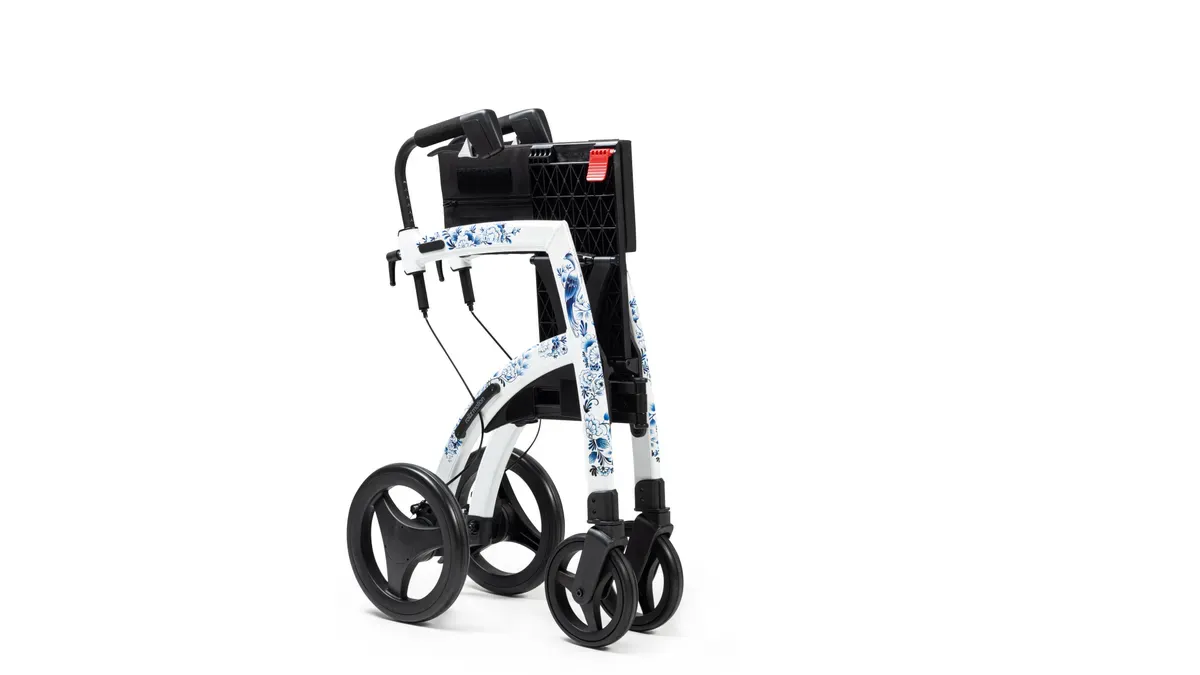
A bag changes the folded size of a rollator in predictable ways. The attachment point and the bag’s material determine how much space it adds. Understanding these factors helps users plan for trunk storage.
Where Bags Usually Attach
Manufacturers design rollator bags to attach at specific points on the frame. Each location affects the folded shape differently.
Under the Seat
Most rollators feature a bag that hangs beneath the seat. This position keeps the bag centered and protected. The bag collapses with the seat when the frame folds. This placement adds minimal depth to the folded rollator.
On the Front Bar
Some bags attach to the front bar between the handles. This position offers easy access for the user. The bag sits within the frame’s width when folded. A front-mounted bag rarely adds bulk to the folded size.
On the Backrest
A bag on the backrest hangs behind the user. This position adds depth to the folded rollator. The bag extends outward from the frame. A backrest bag may prevent the rollator from sliding flat into a trunk.
Soft Bags vs. Rigid Bags
The material of a bag determines how it behaves during folding. Soft bags and rigid bags affect storage space differently.
Soft Bags Squish and Save Space
Soft bags made of nylon or canvas compress easily. They fold flat against the frame. They conform to the shape of surrounding items in the trunk. A soft bag adds almost nothing to the folded size.
Rigid Bags Keep Their Shape
Rigid bags made of hard plastic or stiff fabric hold their form. They do not compress when the rollator folds. They maintain a fixed storage bag size regardless of the frame position. A rigid bag can add several inches to the folded dimensions.
Does the Bag Need to Come Off?
Removing the bag before folding is not always necessary. The decision depends on the bag type and the trunk space.
When You Can Leave It On
A soft bag that attaches under the seat can stay on during folding. It collapses with the frame and adds no bulk. A walker with seat and storage bag often features this design. The bag remains attached and ready for use.
When Removing It Helps
A rigid bag or a backrest bag may need removal. These bags add width or depth to the folded rollator. Removing them creates a flatter, more compact package. A quick-release clip makes this step fast and simple.
How a Cup Holder Affects the Folded Size

An added holder can alter the folded shape of a rollator. The change depends on the holder’s design and attachment method. Users should understand these differences before loading the trunk. This knowledge prevents frustration at the car.
Common Cup Holder Types
Manufacturers offer three main holder designs. Each design affects the folded size differently. Some designs suit tight trunks better than others.
Clip-On Cup Holders
Clip-on models attach directly to the rollator frame. They grip a front bar or side tube. Users can remove them within seconds. These holders add visible width to the folded package. The extra width may reduce clearance in a narrow trunk.
Screw-Mounted Cup Holders
Screw-mounted holders attach with a bracket and hardware. They remain fixed to the frame permanently. This design provides a stable base for a beverage. It also adds a fixed amount of bulk. Owners should measure their trunk before choosing this type.
Foldable Cup Holders
Foldable holders collapse into a flat position. They swing flush against the frame. This design reduces the holder’s profile dramatically. This feature makes them the best choice for frequent trunk loading.
Why Cup Holders Stick Out
These accessories protrude for a simple reason. They must keep a beverage within the user’s reach. The holder’s arm extends away from the rollator frame. That extension creates extra width or depth.
The Problem With Fixed Holders
Fixed holders do not move out of the way. They maintain their protruding position during folding. A screw-mounted bracket can catch on the trunk lip. It can also scratch other items. Users must plan around this rigid shape.
How Much Space They Really Add
Manufacturers design most holders to be compact. The Nova CH-1000 folding holder provides a useful example. It measures 4 inches tall, 3.75 inches wide, and only 1 inch deep when folded. This slim profile adds almost nothing to the rollator’s footprint. A fixed, non-folding holder can add several more inches.
Leaving It On vs. Taking It Off
Users face a simple choice with each holder. They can leave it attached or remove it before folding. The decision depends on trunk space and the holder’s design. A quick decision at the vehicle saves time and effort.
Quick-Release Options
Many clip-on holders feature quick-release mechanisms. A user presses a button or pulls a tab. The holder slides free from the frame. This process takes less than five seconds. Quick-release designs make trunk loading effortless.
Storing the Cup Holder in the Bag
A removed holder needs a safe storage spot. The rollator’s storage bag provides the perfect location. Users can place the holder inside the bag before folding. They can also slide it into an external pocket. A cup holder for a walker should always have a clear storage plan. This step prevents lost parts and keeps the trunk organized.
Step-by-Step: Folding Your Rollator With Accessories
Before You Fold: A Quick Checklist
A user should complete three checks before touching the frame. These checks prevent snags and protect the mechanism. A few extra seconds at this stage save time at the trunk.
Empty the Bag
A full bag adds weight and bulge. The extra weight pulls the frame out of balance during lifting. A heavy bag also makes the folded package too wide. Users should remove all items from the bag. An empty bag collapses flat against the frame. This single action solves most trunk fit problems.
Secure Loose Straps
Straps hanging from the frame can catch on the trunk lip. A loose strap can wrap around a wheel during lifting. The user should tuck every strap into the pouch. This step takes two seconds and prevents frustration.
Check the Cup Holder
The cup holder demands a decision. A clip-on holder can stay attached if it folds flat. A fixed holder may need removal. The user should test the holder’s position before proceeding. If the holder protrudes more than a few inches, remove it. Store the holder in the storage compartment. This keeps the package narrow.
Folding the Rollator
A folding walker with seat and storage bag follows the same basic pattern. The frame collapses inward. The seat drops down. The handles fold toward the center. The folding mechanism operates smoothly when a user follows the correct order.
Step 1: Lock the Brakes
The user must lock both brakes before any other action. A rolling frame shifts during the process. Locked brakes hold the rollator steady. The user should push down on both brake levers until they click. A quick tug on the handle confirms the lock. This step protects the user and the frame.
Step 2: Lift the Seat or Pull the Strap
Many frames feature a release strap under the seat. The user lifts the seat upward or pulls the strap forward. This action releases the frame’s locking mechanism. The seat then drops flat between the wheels. A user should hear a clear click at this point.
Step 3: Press the Frame Together
The frame compresses from side to side. The user grips the seat or the crossbar and presses inward. The wheels move toward each other. The frame narrows into a compact shape. This step reduces the width significantly.
Step 4: Fold the Handles Down
The handles fold toward the frame. The user presses each handle until it clicks. The folded position stays secure only when the handles are all the way down. With the handles down, the frame stays flat. A user can then lift the unit without worrying about sudden movement.
Lifting It Into the Trunk
A user can move the collapsed frame safely with the right grip and placement. These final actions keep the frame locked and protect the vehicle.
Grab Points That Keep It Folded
The user should grasp the frame at two specific points. The first point is the crossbar near the seat. The second point is the upper handle area. These grab points keep the frame compressed. A user should never lift by the storage pouch. Lifting by the pouch can release the latch and cause the frame to expand.
Laying It Flat vs. Standing It Up
A folded frame can lie flat on the trunk floor. This position works best for sedans with shallow trunks. A user can also stand the frame upright against the back of the rear seat. This works best for SUVs and hatchbacks. Either method keeps the frame secure. The user should place a mat or blanket under the frame to protect the trunk lining.
What Affects Car Trunk Storage Fit
Several factors determine whether a rollator will fit in the car trunk. The vehicle’s cargo space, the frame’s collapsed dimensions, and the attached accessories all influence the outcome. Users should evaluate each factor before assuming a standard fit.
Your Trunk Size
The cargo area defines the physical limits for car trunk storage. A sedan offers a low, wide opening. An SUV provides a tall, square hatch. A hatchback combines a shallow floor with a high liftgate. Each shape creates different clearance conditions.
Sedans vs. SUVs vs. Hatchbacks
Sedans require the folded frame to slide horizontally past the rear bumper into a recessed well. The opening often measures narrower than the interior floor. A user must angle the device to clear the lip. SUVs and hatchbacks offer a more generous vertical opening. The frame can tilt upward and drop straight in. This difference makes SUVs more forgiving with bulky accessories.
Measuring Your Trunk Opening
A tape measure provides the most reliable answer. Users should measure the height and width of the opening at its narrowest point. They should also measure the floor depth from the opening to the rear seat. These three numbers reveal whether a folded frame can pass through. A walker with a folded size of 10 inches may clear a 20-inch opening easily. A protruding cup holder may reduce that clearance to a tight fit.
Your Rollator Model
The frame design determines the collapsed dimensions. Standard and compact models differ in ways that matter for fitting into a vehicle.
Standard vs. Compact Rollators
Standard four-wheel rollators fold to a width of approximately 8 to 12 inches. They keep a height of 30 to 50 inches when collapsed. Compact models, including side-folding and upright types, often fold narrower but taller. Three-wheel compact units can reach a folded size as low as 6 inches. The table below details these differences.
| Type | Folded Width | Folded Height |
|---|---|---|
| Standard (4-wheel with seat) | ~8–12 in (20–30 cm) | 30–50 in (76–127 cm) |
| Side-Folding (compact) | 8–12 in (20–30 cm) | Taller profile when folded |
| Upright (compact) | 10–15 in (25–38 cm) | Taller when folded |
| 3-Wheel (compact) | 6–13 in (15–20 cm) | Not specified |
| 2-in-1 Transport Chair (compact) | 10–14 in (25–36 cm) | Not specified |
A compact model fits a small trunk with ease. A standard model may require more maneuvering. Users should compare the folded height against the vertical clearance available.
Seat Height and Frame Width
Seat height affects the folded length of the frame. A taller seat position creates a longer folded profile. Frame width, measured between the wheels, controls the folded footprint. A wide-frame unit may not pass through a narrow opening. Users should record both measurements before adding accessories.
Your Accessories
The bag and cup holder change the effective size of the folded package. Their design determines whether a simple fit becomes a tight fit in the car.
Bulky Bags and Wide Holders
A rigid bag maintains a fixed volume. It prevents the frame from collapsing fully. A wide cup holder that does not fold extends beyond the frame’s edge. These additions can turn an easy storage task into a chore. The user must then detach the accessories or choose another location.
Low-Profile Alternatives
Soft-sided bags and folding cup holders solve this problem. A soft bag compresses against the frame. A foldable holder swings flat within the frame’s silhouette. These low-profile options preserve the original folded size. A walker with seat and storage bag already offers one such solution. Pairing it with a folding holder keeps the package compact for any car.
Tips to Maximize Trunk Space
Choose Detachable Accessories
Detachable accessories give users control over the folded size of their mobility device. A person can remove these items in seconds and store them separately. This flexibility makes daily loading much easier.
Clip-On and Quick-Release Designs
Clip-on and quick-release designs allow fast removal without tools. A user simply presses a button or pulls a tab. The accessory slides free from the frame. These designs work well for people who load their device into a car every day. The removal process takes only a few seconds.
Why Detachable Beats Fixed
Fixed accessories stay attached at all times. They add permanent bulk to the folded frame. A detachable bag or holder offers the same function during use. The user removes it before folding. This action creates a flatter, more compact package. Detachable designs also allow users to swap accessories for different situations.
Pick Compact Accessories
The size and shape of rollator walker accessories determine how much space they consume. Compact options preserve the original folded dimensions. Users should select products with this goal in mind.
Slim Bags With Soft Sides
A soft-sided bag compresses against the frame during folding. It conforms to the available space. A slim profile reduces the overall footprint. Users should look for bags with flexible nylon or canvas construction. These materials fold flat and add minimal depth.
Flat-Folding Cup Holders
A flat-folding cup holder swings flush against the frame. It adds almost no width to the folded package. This design protects the holder from damage during transport. It also prevents snags on the trunk lip. Users should verify the folded depth before purchase.
Organize the Trunk Around the Rollator
A dedicated storage plan keeps the trunk organized and ready. The user creates a permanent spot for the folded frame. This habit saves time on every trip.
Keep a Dedicated Spot
A dedicated spot prevents the frame from sliding during driving. The user marks one side of the trunk for the device. Other items stay on the opposite side. This arrangement protects both the frame and the cargo.
Use the Space Around It
The folded frame leaves gaps on the sides and top. Users can fill these gaps with soft items. A jacket or blanket fits beside the frame. A small pouch slides into the remaining space. This strategy maximizes every inch of the trunk.
Using a Travel Bag With Your Rollator
When a Travel Bag Helps
Protecting the Rollator From Scratches
A travel bag acts as a protective barrier. The frame rubs against other cargo during transit. The trunk lip can scrape the finish during loading. Padded material absorbs these impacts. The frame stays in excellent condition for years. Frequent travelers benefit the most. The bag also prevents dust from settling on the frame during long-term storage.
Keeping Accessories Together
The same bag keeps loose parts in one place. Users remove the cup holder before folding. They place the holder and the storage pouch inside the bag. This arrangement prevents lost items. It keeps the trunk neat. A single bag carries everything.
When a Travel Bag Hurts
Added Bulk and Reduced Clearance
A thick bag adds bulk to the folded frame. That bulk reduces clearance in a tight trunk. The bag’s material consumes valuable space. A compact car may not accept the extra thickness. Users should measure both items before loading.
Fitting the Bag in a Small Trunk
A small trunk may reject the extra layer entirely. The folded frame fits alone. It does not fit with the bag around it. Users discover that the rollator won’t fit in the bag if the bag is too small. A bare frame works better in these cases.
How to Choose the Right Travel Bag
Measure the Folded Rollator First
Users must take three walker bag measurements before any purchase. Three dimensions define the folded frame’s size:
- Obtain all three folded dimensions (length, width, and height) for the exact setup used for transport.
- Confirm these measurements reflect the chosen routine, such as keeping wheels attached, lowering handles, or removing parts.
- Note that a compact transport measurement may describe a different configuration from the everyday setup.
The table below shows how the folded dimensions change with the transport configuration.
| Configuration | Folded Dimensions (cm) | Folded Dimensions (inches) |
|---|---|---|
| Wheels attached | 85 × 28 × 90 | ~33.5 × 11.0 × 35.4 |
| Wheels removed | 67 × 28 × 76 | ~26.4 × 11.0 × 29.9 |
The larger row represents the standard folded frame. The smaller row represents a disassembled state. Users select the option that matches their daily routine.
Look for Soft, Flexible Materials
Soft materials work best for the outer cover. Nylon fabric bends around the frame. Canvas conforms with equal ease. The materials compress inside a tight trunk. A rigid shell maintains a fixed shape. That fixed shape may not align with the folded frame construction. Soft-sided covers also absorb minor impacts. Durable fabric with reinforced seams lasts longer.
An owner of a walker with seat and storage bag follows this same principle. The built-in pouch handles daily errands. A separate travel bag serves longer trips. Choosing a soft, flexible model ensures a proper fit inside the trunk.
Before You Fold: A Simple Checklist
A consistent routine protects both the rollator and the vehicle. Users should complete three quick checks before every folding session. These steps take less than a minute and prevent common problems.
Accessory Check
Accessories demand attention first. A user should inspect each item before touching the frame.
Bag Emptied and Zipped
An empty bag collapses flat against the frame. A full bag adds weight and creates a bulge. The user should remove all contents from the bag. Keys, wallets, and water bottles belong in a separate carry pouch. The user then zips the bag closed. A zipped bag stays secure during folding and lifting. This single habit solves most trunk fit issues.
Cup Holder Removed or Folded
A cup holder requires a quick decision. A folding model swings flat against the frame. A fixed model may need removal. The user should test the holder’s position. If it protrudes more than two inches, remove it. Store the holder inside the bag or a side pocket. This action keeps the package narrow and prevents snags.
Rollator Check
The frame itself needs a brief inspection. Two items require confirmation before folding begins.
Brakes Locked
Locked brakes hold the rollator steady. A rolling frame shifts during the folding process. The user should push down on both brake levers until they click. A gentle tug on each handle confirms the lock. This step protects the user from injury and prevents frame damage.
Frame Fully Collapsed
The folding mechanism must reach its complete collapsed position. A partly folded frame takes more space and may spring open during lifting. The user should listen for a click at each joint. The seat should sit flat between the wheels. The handles should rest against the frame. A walker with seat and storage bag follows this same pattern. Full collapse keeps the package compact and predictable.
Trunk Check
The vehicle’s cargo area needs preparation too. A clean, protected space makes loading faster and safer.
Clear the Space
A cluttered trunk leaves no room for the rollator. The user should remove unnecessary items before loading. Groceries, sports gear, and loose tools belong elsewhere. A clear floor allows the folded frame to slide in easily. This step takes seconds and prevents frustration.
Protect the Rollator From Rolling
A folded rollator can slide during driving. The user should place a non-slip mat on the trunk floor. A folded blanket works equally well. The user then positions the frame against the rear seat back. This placement stops movement and protects the trunk lining from scratches. A bungee cord offers extra security on sharp turns.
Common Mistakes to Avoid
Forcing a Partly Folded Rollator
A user may try to push a partly folded rollator into the trunk. This action creates serious problems for the frame and the vehicle.
Why This Damages the Frame
The folding mechanism relies on precise alignment. Forcing a partly folded frame bends the crossbars. It twists the hinges. It stresses the locking pins beyond their design limits. Over time, these forces weaken the metal. The frame may not lock properly during use. A damaged frame becomes a safety risk for the user.
The Right Way to Fold
The user should complete every folding step before lifting. The seat must drop flat. The handles must click into their folded position. The frame must collapse fully from side to side. A user should never force any part. If resistance occurs, a strap or accessory is interfering with folding. The user should locate the obstruction and remove it. Then the frame folds smoothly.
Leaving a Full Bag Attached
A full bag creates two problems during trunk loading. It adds weight and creates a bulge.
Weight and Bulge Problems
A heavy bag pulls the folded frame out of balance. The user may drop the rollator during lifting. A full bag also prevents the frame from collapsing completely. The bulge adds inches to the folded width. This extra size may block the folding mechanism from reaching its locked position.
What to Do Instead
The user should empty the bag before every folding session. Keys, water bottles, and groceries belong in a separate carry pouch. An empty bag collapses flat against the frame. A walker with seat and storage bag follows this same rule. The built-in pouch stays flat when empty. This single habit keeps the folded package compact.
Ignoring the Cup Holder
A protruding cup holder causes problems at the trunk opening. Many users overlook this accessory during loading.
Snagging on the Trunk Lip
A fixed holder extends beyond the frame’s edge. This extension catches on the trunk lip during loading. The holder may snap off. It may scratch the vehicle’s paint. A sudden snag can also pull the rollator from the user’s grip.
Simple Fixes
The user should remove a fixed holder before folding. A quick-release design slides free in seconds. A folding model swings flat against the frame. The user then stores the holder inside the bag or a side pocket. This action takes minimal effort. It prevents damage to both the holder and the vehicle.
When Your Trunk Is Very Small
A small trunk does not end the conversation. Many drivers face this problem every day. They own compact cars with shallow cargo wells. They still need to transport a rollator with accessories. Several practical solutions exist for this situation.
Try the Back Seat or Floor
The trunk is not the only storage option. A vehicle offers multiple spaces for a folded mobility device. The back seat and passenger footwell often provide more room than a cramped trunk.
Folding It Flat Behind the Seat
The back seat offers a wide, flat surface. A user can fold the device completely and lay it across the seat. This position works well in sedans with narrow trunk openings. The user should lock the brakes if the model allows. Lifting close to the body with both hands protects the user’s back. A seat belt can secure the frame during transport.
Using the Passenger Footwell
The passenger footwell provides another option. A compact folding frame slides into this space with ease. The user pushes the folded device forward against the firewall. This position keeps the device within reach. It also leaves the trunk free for groceries or other cargo. The user should confirm the frame does not block the pedals or interfere with the driver.
Consider a Compact Rollator
A smaller model solves the problem at its source. Many manufacturers build lightweight frames with travel in mind. These models fold into a significantly narrower package.
Lighter Frames That Fold Smaller
Lightweight construction makes lifting easier. Compact folded dimensions fit into tight spaces. Easy folding mechanisms reduce setup time. Travel bags and storage-friendly designs protect the frame during transit. A folding walker with seat and storage bag often features these benefits. The folded frame becomes narrow enough for almost any car.
What to Look For
A buyer should check three specifications. First, the folded width should measure under 10 inches. Second, the frame weight should stay under 15 pounds. Third, the folding mechanism should operate with one hand. These features make daily loading simple and fast.
Adjust Your Accessories
Accessories often create the fit problem. A bulky bag or a wide holder adds unnecessary inches. Simple swaps restore the original folded size.
Switch to a Soft Bag
A soft bag compresses against the frame. It adds almost no bulk during folding. A rigid bag holds its shape and blocks the folding mechanism. A user should choose a soft-sided bag with flexible nylon or canvas construction. This bag collapses flat and saves valuable space.
Use a Strap-Mounted Holder
A strap-mounted holder offers a low-profile solution. It wraps around the frame with adjustable straps. The user removes it in seconds before folding. This design eliminates the protruding arm of a fixed holder. The holder stores inside the bag during transport.
The table below summarizes alternative storage positions and compact features.
| Alternative car storage positions | Compact rollator features that help |
|---|---|
| Folded rollators can be lifted into the trunk, cargo area, or back seat, depending on vehicle size. | Lightweight construction, compact folded dimensions, easy folding mechanisms, travel bags, and storage-friendly designs. |
| Loading tips: fold completely, lock if applicable, lift close to the body with both hands, and store securely during transport. | Folded frame becomes significantly narrower, making it easier to fit into car trunks and other compact spaces. |
Will a rollator still fit in the trunk after adding accessories? Most vehicles provide enough space. The key steps remain simple. Users empty the bag before folding. They fold the frame fully. They remove or fold the cup holder when needed. Detachable and soft-sided accessories make daily storage much easier.
A quick test at home answers this question: will a rollator still fit in the trunk with this specific car? Every future trip becomes quick and stress-free. A simple routine keeps the rollator ready to travel.
FAQ
Does a rollator fit in a sedan trunk with a bag attached?
Yes, most sedans accept a folded rollator with a soft bag attached. The bag collapses against the frame. A rigid bag may need removal first. Users should measure the trunk opening before loading.
Can a cup holder stay on during folding?
A folding cup holder can stay attached. It swings flat against the frame. A fixed holder adds width and may catch on the trunk lip. Users should remove fixed holders before folding.
How much space does a bag add to a folded rollator?
A soft bag adds almost no space. It compresses flat against the frame. A rigid bag adds several inches of depth. The attachment point also matters. Backrest bags add more bulk than under-seat bags.
What is the best way to lift a folded rollator into a trunk?
The user should grip the crossbar and upper handle area. These points keep the frame compressed. Lifting by the bag can release the latch. A non-slip mat prevents sliding during transport.
Can a rollator fit in a small car trunk?
A compact rollator fits most small trunks. Standard models may require accessory removal. The back seat and passenger footwell offer alternative storage. A soft bag and folding holder help in tight spaces.
Does removing the bag and cup holder really help?
Yes, removal creates a flatter package. The folded frame slides into narrow openings with ease. Quick-release designs make this step fast. Users can store both accessories inside the bag during transport.
How often should a user test trunk fit?
A user should test the fit once at home. This step confirms the routine works. Every future trip becomes faster. Accessory changes or a new vehicle require a fresh test.