
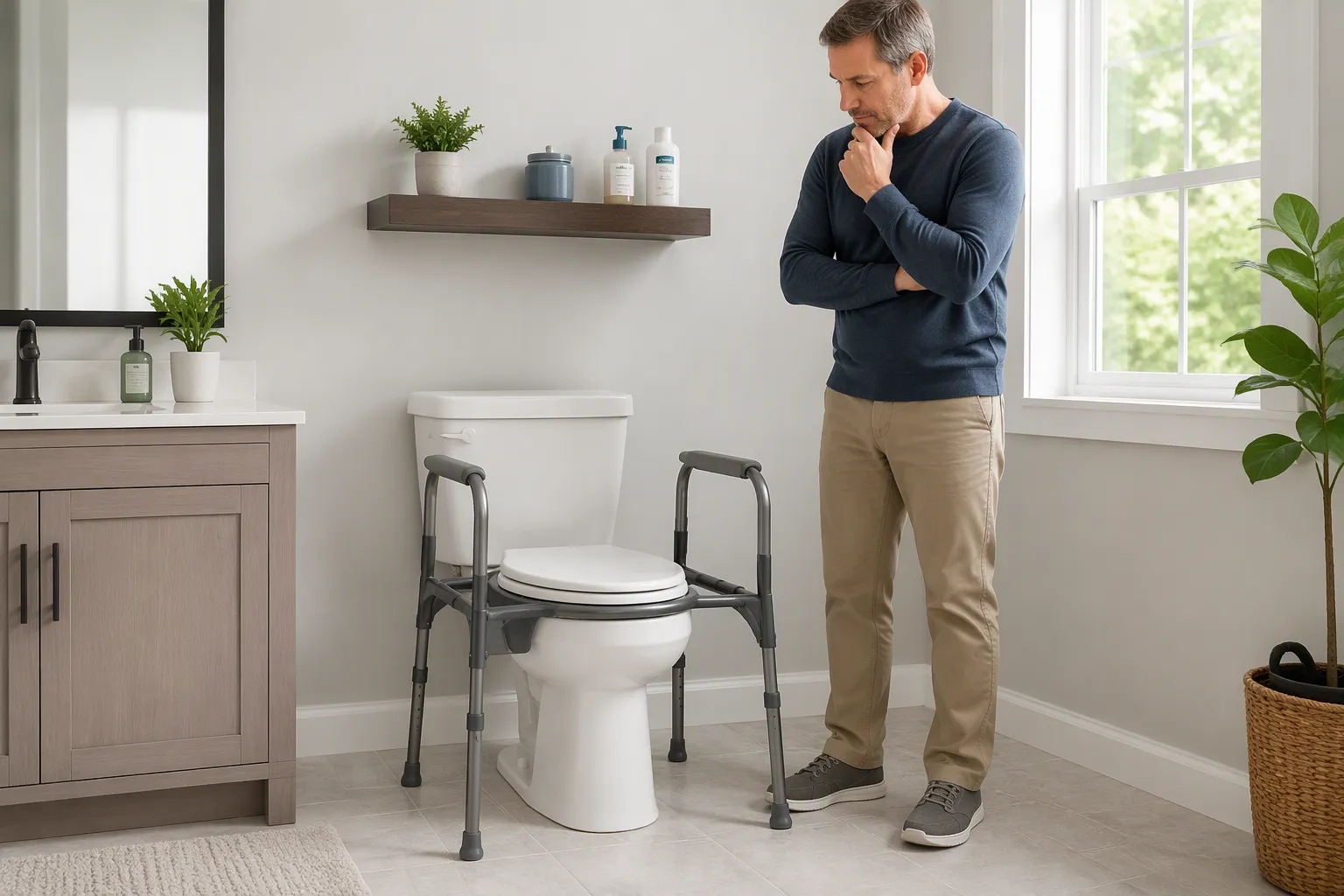
Yes, many commode chairs fit over a toilet without removing the seat, but the outcome depends on specific measurements and designs. Three factors decide whether a commode chair fit over toilet setups works: toilet height and shape, commode width and clearance, and the type of commode chair. A round bowl measures about 16.5 inches from bolt to front, while an elongated bowl runs about 18.5 inches, so bowl shape matters. A quick measurement check before buying gives the surest answer. Shoppers should measure both the toilet and the commode first.
The Short Answer on Commode Chair Fit Over Toilet
A commode chair fit over toilet setups works well for many households. The design allows a caregiver or user to place the frame directly above the existing fixture. This approach saves money and avoids bathroom remodeling. The user simply positions the commode over your toilet and sits down. The frame provides armrests and a raised seating surface. Many models also include a collection bucket for bedside use. The dual-purpose design makes these products popular for home care.
When a Commode Chair Fits Over a Toilet Seat
A commode chair fits over an existing toilet when the dimensions align properly. The frame opening must clear the bowl and the seat. The legs must reach the floor without hitting the base. The user needs enough space to sit comfortably. Three measurements determine success: under-seat clearance, opening width, and opening depth. A product that fits over an existing toilet typically features an open frame design. The back bar stays low or removable. The side rails sit wide enough to straddle the bowl. Most standard toilets fall within the compatible range for adjustable models.
Clearance Under the Commode
Clearance under the commode refers to the vertical space between the floor and the bottom of the seat frame. This space must accommodate the toilet bowl and any raised seat components. A standard toilet bowl rises about 15 inches from the floor to the rim. The current toilet seat adds another inch or so. The commode frame needs at least 16 to 18 inches of under-seat clearance to fit properly. Adjustable legs help here. The user can raise the frame to match the current toilet seat height. A frame with too little clearance will rest on the bowl instead of the floor. That creates an unstable platform. A frame with too much clearance forces the user to stretch during transfers. The ideal setup keeps the commode seat level with or slightly above the existing seat.
Width and Depth Alignment
Width and depth alignment determines whether the frame straddles the bowl without wobbling. The opening width must exceed the widest part of the toilet bowl. Standard bowls measure about 14 to 15 inches wide at the base. The opening depth must exceed the bowl length from the back wall to the front rim. Round bowls run about 16.5 inches long. Elongated bowls reach about 18.5 inches. A commode with a 19-inch opening depth clears both shapes. The side rails must also avoid the toilet tank. Most frames leave 2 to 4 inches of space behind the bowl for the tank and water supply line. A tight fit against the tank causes stress on the frame joints. Users should measure the full footprint of the fixture before selecting a model.
When It Does Not Fit
Some toilets and commode chairs do not work together. The mismatch usually involves height, shape, or seat hardware. A tall toilet with a raised seat often exceeds the maximum leg height of standard frames. A one-piece toilet with a molded skirt may block the frame legs. A bidet attachment adds bulk near the rim. These obstacles prevent a secure fit. Users should identify these issues before purchase. A failed fit wastes money and creates a safety risk.
Toilets That Are Too Tall
A toilet that stands taller than 18 inches from floor to rim creates problems for most standard commode chairs. Comfort-height toilets typically measure 17 to 19 inches. Add a cushioned seat and the height climbs higher. Many commode frames max out at 18 to 20 inches of leg height. The frame cannot rise above the bowl in these cases. The legs hit the bowl base instead of the floor. The user then sits on an unstable platform. Tall toilets require a specialty frame with extended legs. Heavy-duty models often reach 22 to 24 inches. Users should check the maximum leg height before buying. A frame that cannot clear the bowl will not work safely.
Seats and Lids That Interfere
A thick cushioned seat or a raised toilet seat adds height and bulk near the rim. These accessories can block the commode frame from sitting flush. The frame back bar may press against the raised seat hinge. The side rails may rest on the seat edge instead of the floor. A bidet attachment creates similar problems. The attachment adds 1 to 2 inches of height and extends the front profile. Users can remove these accessories in some cases. The user may need to remove the current toilet seat entirely for a proper fit. That step defeats the purpose of keeping the fixture intact. A better option involves choosing a frame with an open back and wide side clearance. These designs accommodate bulky seat hardware without removal.
Toilet Seat Height and Shape
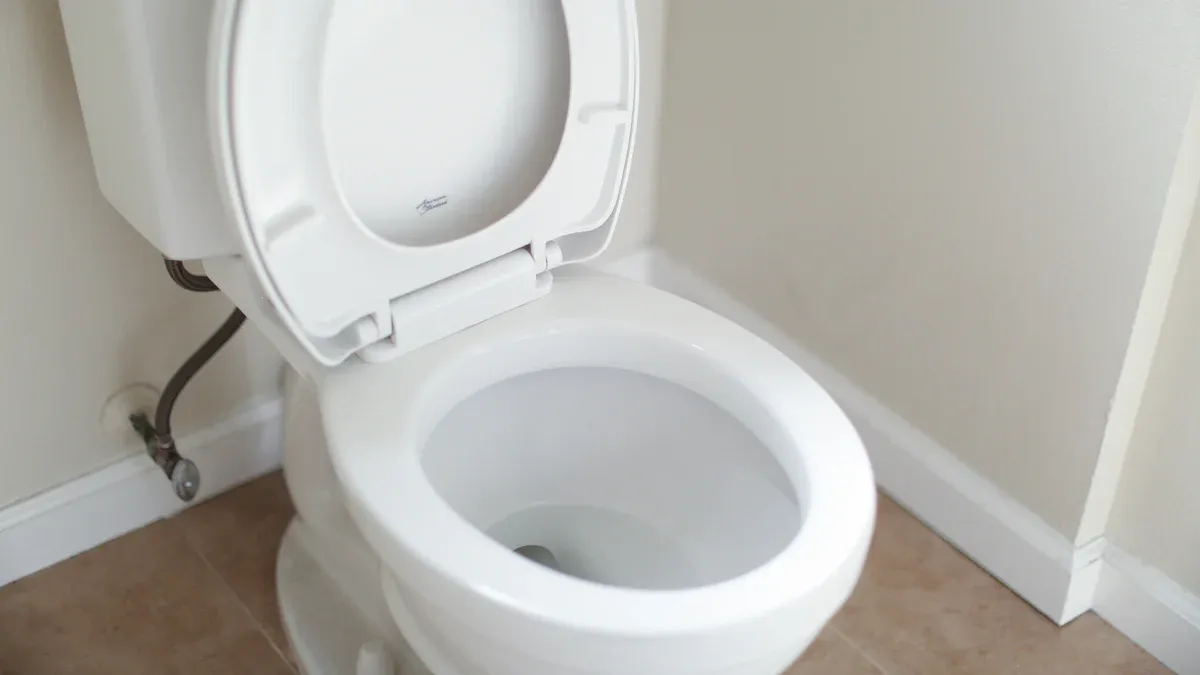
Height and shape determine whether a commode chair sits level and stable over the fixture. A few minutes with a tape measure reveals both numbers. Users should record them before shopping for any model.
Measuring Toilet Seat Height
Height measurement involves two reference points. Each one serves a different purpose during the fit check. Users should capture both numbers for accuracy.
Floor to Seat Top
This measurement runs from the bathroom floor to the top surface of the current toilet seat. It represents the height a user actually sits at. Most standard fixtures measure 16 to 17 inches here. A commode chair must match or slightly exceed this number. The frame legs adjust to bring the commode seat level with the existing surface. A mismatch forces an awkward transfer.
Floor to Bowl Rim
This measurement runs from the floor to the top edge of the bowl under the seat. It shows how much vertical space the frame must clear. Standard bowls measure about 15 inches to the rim. The difference between this number and the seat-top height reveals the seat thickness. A thick seat adds an inch or more. Users need this figure to confirm under-frame clearance.
How Seat Shape Affects Fit
Shape affects how the frame straddles the fixture. Bowl geometry and seat accessories both play a role. Users should note both before choosing a commode.
Elongated vs. Round Bowls
A traditional toilet comes in two common bowl shapes. Round bowls measure about 16.5 inches from the bolt holes to the front rim. Elongated bowls run about 18.5 inches. A frame opening must exceed the bowl length to clear it. Most adjustable commodes offer 19 inches or more of opening depth. That depth handles both shapes. Round bowls leave extra room at the front. Elongated bowls fit with less margin. Users with elongated bowls should confirm the opening depth on the product spec sheet.
Raised and Cushioned Seats
A raised or cushioned seat adds height and bulk near the rim. These accessories can push the total height past the frame’s maximum leg setting. They also create interference at the hinge and side rails. The frame back bar may press against the raised edge. Users can sometimes remove the accessory for over-toilet use. That step may not suit every household. A frame with an open back and wide side clearance offers a better solution. It accommodates bulky hardware without removal.
Commode Chair Specifications That Matter
Specifications decide whether a commode chair works safely over a toilet. Buyers should review four numbers before purchase: width, depth, height, and weight capacity. Each number ties directly to the fit and stability of the unit.
Width and Depth of the Commode
Outside Dimensions vs. Opening Size
Outside dimensions describe the full footprint of the frame. Opening size describes the clear space inside the seat. The opening size matters most for over-toilet use. The opening must exceed the bowl length and width. A frame with wide outside dimensions may still have a narrow opening. Buyers should read both figures on the spec sheet. The outside dimensions also affect bathroom space. A wide frame may not fit between the vanity and the tub.
Adjustable Width Models
Some models offer adjustable width settings. These frames widen or narrow at the side rails. Adjustable width helps when the bathroom space is tight. It also helps when the bowl under the seat has an unusual shape. Users should lock the width setting firmly before use. A loose setting allows the frame to shift during transfers.
Height and Clearance
Adjustable Leg Height
Leg height determines whether the seat sits level with the existing fixture. Telescopic legs allow the user to raise or lower the seat. The adjustment range should cover the target toilet height. Buyers should check the minimum and maximum seat height against their fixture.
Many commode chairs feature adjustable legs, allowing the chair height to be adapted to suit different user and toilet heights.
A fixed-height frame limits placement options. An adjustable height frame offers more flexibility across bathrooms and users.
Space Beneath the Seat
Space beneath the seat must clear the bowl and any seat hardware. Standard frames offer 16 to 18 inches of clearance. Tall fixtures need more. Buyers should compare this figure with the floor-to-rim measurement of their toilet.
Weight Capacity and Stability
Frame Strength Ratings
Frame strength depends on the complete design. Material, tube thickness, joint design, and cross-bracing all matter. A thicker tube alone does not guarantee a stronger chair. Buyers should look for tested ratings, not marketing claims.
| Rating Tier | Typical Frame/Construction Implication |
|---|---|
| ~300 lbs (standard) | Baseline frame material and mounting hardware; standard commode category |
| ~500 lbs (heavy-duty) | Heavier-gauge frame material, reinforced mounting points, often wider seating base |
| ~600 lbs (bariatric) | Distinct product category; hardware rated as a system with the floor structure |
Most standard commodes are rated 250 to 300 lbs. Bariatric models start at 450 lbs. A safety margin of at least 50 lbs above the user’s weight is advised. Capacity ratings assume a static load. Getting in and out creates dynamic loading that exceeds seated weight.
Non-Slip Feet and Brakes
Rubber feet grip the floor and reduce sliding. Locking brakes add security on wheeled models. Users should confirm that all four feet touch the floor evenly. A rocking frame signals an unstable setup.
Types of Commode Chairs and Over-Toilet Fit
3-in-1 Commode Chairs
Bedside, Over-Toilet, and Raised Seat Use
A 3-in-1 commode chair serves three roles in one frame. It works as a bedside commode with a bucket, as an over-toilet commode chair with the bucket removed, and as a raised seat for added height. The commode can sit over most standard toilets to provide extra height and support. The armrests then act as support rails that help the user lower onto and rise from the fixture.
Fit Considerations for 3-in-1 Models
Users must take out the bowl and install a splash guard when they place the unit over the toilet. A splash guard is a bottomless bucket that directs waste into the fixture without mess. Seat height needs adjustment so the user sits with feet flat and knees at hip level. A slightly higher seat may help after hip surgery.
| Aspect | How It Works or What to Check |
|---|---|
| Over-toilet function | Remove the bucket and lid, then place the frame over the fixture; armrests serve as support rails |
| Raised seat use | Adjust the frame above the usual seat height; a splash guard replaces the bucket |
| Seat height | Set the seat so feet rest flat and knees sit at hip level |
| Stability | Level all four feet at the same height and lock any wheels |
Drop-Arm Commode Chairs
Benefits for Transfers
Drop-arm models release the side armrests with a lever or pin. The user or caregiver can lower one arm to open the side of the frame. This feature eases lateral transfers from a bed or wheelchair. The open side removes the need to lift the user over an armrest.
Clearance Around the Toilet
The removable arms also free space beside the fixture. A narrow bathroom benefits from this design. The caregiver can swing the arm down and slide the toilet frame closer to the bowl. Users should confirm the arm locks firmly back into place after each transfer.
Adjustable and Height-Adjustable Models
Matching Your Toilet Height
Height adjustment lets one commode chair serve several users and bathrooms. In institutional care, commode chairs sit alongside beds, wheelchairs, toilets, and shower areas. A fixed-height chair only works when the application is highly standardized. An adjustable model covers a broader range and aligns with different transfer surfaces. Users should compare the adjustment range against the height of the current toilet before purchase.
Locking Mechanisms
Telescoping legs rely on pins, clips, or twist locks to hold their setting. Each leg must lock at the same height for a level seat. A loose lock allows the frame to drop under load. Users should test every lock before each use and confirm the toilet frame stays rigid.
Specialty Over-Toilet Frames
Space-Saving Designs
A small bathroom leaves little room for a full-size commode chair. Space-saving frames solve this problem with a narrow footprint and a compact seat. These models tuck close to the wall and leave a clear path to the sink. Some designs fold flat for storage in a closet or behind a door. Others use a slim side profile that slips between the vanity and the bowl. A caregiver can position the frame goes over your toilet with minimal clearance on each side. Buyers should measure the gap beside the fixture before choosing a compact model. A tight squeeze against the wall prevents the legs from sitting flat. The best space-saving frames still offer a stable base and firm armrests. Users should confirm that the opening clears the bowl despite the narrow outside dimensions.
Heavy-Duty Designs
Heavy-duty frames serve users who need a higher weight rating and extra stability. These models use thicker tubing, reinforced joints, and a wider seating base. Many carry ratings of 450 to 600 pounds. The stronger build also helps users who shift their weight during transfers. A heavy-duty toilet frame often includes a wider opening to fit larger fixtures. Buyers should check that the frame still clears the tank and the side walls. Some heavy-duty models weigh more than standard units. A caregiver may need help moving the frame between rooms. Users should also confirm the leg height range matches their toilet with toilet frame setup. A reinforced frame with non-slip feet and locking pins offers the safest platform for daily use.
| Feature | Standard Frame | Heavy-Duty Frame |
|---|---|---|
| Weight rating | 250–300 lbs | 450–600 lbs |
| Tubing | Standard gauge | Thicker gauge, reinforced joints |
| Base width | Narrower | Wider seating base |
| Portability | Light, easy to move | Heavier, may need two people |
A specialty commode chair gives users more options than a standard model. The right commode matches the bathroom size and the user’s weight. Buyers should compare the frame specs against their fixture before purchase.
How to Measure for a Proper Fit

Accurate measurements turn a guess into a confident purchase. The process takes about ten minutes with a tape measure and a notepad. Users should record every number in inches and keep the figures handy during shopping. Three steps cover the full check: measure the toilet, measure the commode chair, and compare the results.
Step 1: Measure Your Toilet
The fixture sets the target dimensions. Users should measure the existing setup with the current seat in place. This approach captures the real height and footprint the frame must clear.
Seat Height and Bowl Width
The user places the tape measure on the floor beside the bowl. The tape runs straight up to the top surface of the seat. This number represents the seat height. Most standard fixtures measure 16 to 17 inches here. Comfort-height models reach 17 to 19 inches. The user writes down the figure to the nearest quarter inch.
Bowl width requires a second measurement. The tape runs across the widest point of the bowl rim, from side to side. Standard bowls measure about 14 to 15 inches across. A wider bowl needs a wider frame opening. The user should measure at the rim rather than the base. The rim represents the widest point the frame must straddle.
Bowl Shape and Seat Overhang
Bowl shape affects the opening depth. The user measures from the wall behind the tank to the front rim of the bowl. Round bowls measure about 16.5 inches. Elongated bowls run about 18.5 inches. This number tells the buyer how much opening depth the commode needs.
Seat overhang describes how far the seat extends past the bowl rim. Some seats add an inch or more at the front. A thick cushioned seat adds height as well. The user should note any overhang and add it to the bowl length. The frame opening must clear the seat edge, not just the bowl. A raised seat or bidet attachment also belongs in this check. These accessories change the profile and may block a standard frame.
Step 2: Measure the Commode Chair
The product spec sheet lists most of the needed figures. Users should confirm each number against the physical unit when possible. A quick check with the tape measure catches listing errors and shipping variances.
Opening Width and Depth
The opening width runs between the inner edges of the seat frame. This number must exceed the bowl width from Step 1. A margin of at least one inch on each side allows easy placement. The opening depth runs from the back bar to the front edge of the seat. This number must exceed the bowl length plus any seat overhang. A 19-inch opening depth clears both round and elongated bowls. Buyers should confirm that the back bar sits low enough to clear the tank. Some frames use a removable back bar for tight spaces.
Leg Height and Under-Seat Clearance
Leg height describes the distance from the floor to the seat surface. Adjustable legs offer a range, such as 16 to 22 inches. The user compares this range against the seat height from Step 1. The target setting keeps the commode seat level with or slightly above the existing seat.
Under-seat clearance describes the open space beneath the seat frame. This number must exceed the floor-to-rim height of the toilet. A frame with 18 inches of clearance fits a standard 15-inch bowl with room to spare. A comfort-height fixture needs more. The user should also check the space between the legs. The legs must straddle the bowl base without pressing against the pedestal.
Step 3: Compare and Confirm
The final step puts the numbers side by side. A simple comparison reveals whether the commode chair fit over toilet setup will work. Users should check every figure before placing an order.
Checking the Fit Numbers
The opening width must exceed the bowl width. The opening depth must exceed the bowl length plus overhang. The leg height range must cover the seat height. The under-seat clearance must exceed the floor-to-rim height. All four conditions must pass for a proper fitment. A failure on any single number signals a mismatch. The user then looks for a different model or an adjustable frame with a wider range.
Buyers should also check the outside dimensions against the bathroom layout. The frame must fit between the vanity, the tub, and the wall. A tight squeeze prevents the legs from sitting flat. The user should leave at least two inches of clearance on each side.
Testing Before Use
A dry fit confirms the measurements in the real space. The user places the commode over the fixture without a bucket or splash guard. The frame should sit flat on all four feet. The seat should clear the bowl rim and the tank. The user presses down on each corner to check for rocking. A rocking frame signals an uneven floor or a bent leg.
The user then sits down with a caregiver nearby. The feet should rest flat on the floor. The knees should sit at hip level. The armrests should feel firm under the hands. Any wobble or pressure point calls for adjustment. Users should repeat this test before regular use and after any leg height change. A commode that passes the dry fit offers safe, stable service for daily routines.
Choosing the Right Commode Chair
Match the Commode to Your Toilet
Height and Width Compatibility
The right commode chair starts with a match to the fixture. Buyers should compare the seat height range against the current toilet height. A frame that adjusts from 19 to 24 inches covers most comfort-height fixtures. Width matters just as much. The space between the arms should leave room for the user’s hips and hands. Standard frames offer 18 to 18.5 inches between arms. Wider frames reach 22 to 25 inches for larger users. A buyer should confirm that the opening clears the bowl and that the legs straddle the base without pressing the pedestal.
Seat Style Considerations
Seat design affects comfort and support. Elongated and square seats give larger users more surface area. Open-front seats ease personal care but may reduce stability for users with limited leg control. The opening size should match the user’s body. A seat that feels too narrow creates pressure points during longer sits.
Consider Your Mobility Needs
Drop-Arm and Transfer-Friendly Options
Drop-arm models fold the armrests down to open the side of the frame. This feature helps anyone with limited mobility perform side transfers safely. Caregivers can slide the user from a bed or wheelchair without lifting over an armrest. Users must secure the armrests upright and lock them before sitting.
Stability and Support Features
Stability and adjustability protect users during daily routines. The table below summarizes the features that matter most.
| Feature | Why It Matters |
|---|---|
| Stability and weight capacity | Standard models support up to about 300 lbs; bariatric frames reach 450 to 600 lbs for heavier users |
| Height adjustability | A natural seat height prevents plopping and straining, which lowers fall risk; feet should not dangle |
| Wheeled vs. no wheels | Wheeled models suit users with minimal mobility and double as transport chairs; non-wheeled models suit bedside use |
| Materials | Aluminum is light and durable; stainless steel is heavier and stronger for bariatric users |
Optional footrests and seat belts add safety. Locking swivel casters hold a mobile toilet frame in place during transfers.
Check Return Policies and Trials
Try Before You Commit
A dry fit in the bathroom reveals problems that spec sheets miss. The user should place the commode over the fixture and press each corner for rocking. A short sit test confirms the seat height and armrest position. Buyers should complete this check while the return window stays open.
What to Confirm With the Seller
Buyers should ask about the return window, restocking fees, and warranty terms. They should confirm the weight rating and the adjustment range in writing. A seller who answers these questions clearly earns confidence. A vague answer signals risk.
Safety Tips for Over-Toilet Use
Safety depends on consistent habits. A few checks before each use protect the user from falls and instability. Caregivers should build these steps into the daily routine.
Secure Placement Every Time
Proper placement of the chair sets the foundation for safe use. The frame must sit flat on the floor with all four legs touching evenly. A rocking frame signals an uneven surface or a bent leg. The user should adjust the legs and test again before sitting.
Four legs are much more stable than anything that attaches to the toilet.
Locking Legs and Non-Slip Feet
Telescoping legs rely on pins, clips, or twist locks. Each leg must lock at the same height for a level seat. A loose lock allows the frame to drop under load. Rubber feet grip the floor and reduce sliding. Wheeled models need locked brakes before every sit.
Checking Stability Before Sitting
A quick stability check takes seconds. The user or caregiver presses down on each corner and shifts weight gently. Any wobble calls for adjustment. The table below summarizes the key checks.
| Safety Check | Recommended Action |
|---|---|
| Locking brakes (wheeled models) | Lock the brakes before sitting down to prevent rolling. |
| Stability check | Gently push the chair or shift weight to confirm it is stable and secure before sitting. |
| Leg/height adjustment | Ensure adjustable legs or height are set to the appropriate position. |
| Flat surface placement | Confirm the chair is placed on a flat surface with all legs properly adjusted. |
| Persistent instability | If instability continues, consult the manufacturer or a healthcare professional. |
Safe Transfers On and Off
Transfers carry the highest risk of falls. The user should back up to the commode chair until the backs of the legs touch the seat edge. Both hands grip the armrests firmly. The user lowers slowly with controlled movement.
Using Armrests Correctly
Armrests provide support during sitting and rising. The user pushes down on both armrests evenly. Pushing on one side only tips the frame. Caregivers should never pull the user by the arm. They should guide the transfer with a gait belt instead.
Avoiding Twisting Movements
Twisting while seated stresses the frame joints. The user should square the hips and shoulders before rising. A caregiver can help by positioning the toilet frame at the correct angle beforehand. Smooth, deliberate motion keeps the setup stable.
Regular Inspection and Maintenance
Routine care extends the life of the commode and protects the user. The table below lists the core tasks.
| Maintenance Category | Recommended Task | Frequency / Trigger |
|---|---|---|
| Cleaning | Disinfect the seat, bucket, and handles to prevent bacterial buildup; use disposable liners to simplify waste disposal and cleanup | After each use / daily |
| Checking hardware | Verify legs, armrests, and bucket are secure and functioning; look for loose screws, worn parts, or instability and fix promptly | Regularly / routinely |
| Inspecting feet & parts | Check for cracks, instability, or wear; replace damaged or worn parts immediately; keep spare replaceable parts on hand | As needed when wear or damage appears |
| General care | Follow the manufacturer’s cleaning and maintenance instructions to avoid voiding warranties; replace equipment showing significant wear | Ongoing |
Checking Hardware and Feet
The caregiver should tighten loose screws and replace worn parts at once. Cracked feet reduce grip and cause sliding. Replacement bottoms and adjustable metal leg portions are removable, soakable, and replaceable.
Cleaning and Care Basics
Daily cleaning keeps the commode hygienic. The user should follow these steps:
- Empty the commode bucket after use.
- Rinse it daily with hot water and a small amount of bleach to keep it fresh, and clean more promptly after bowel use.
- Use disinfecting wipes on the chair surfaces.
- Replace any over-worn equipment.
Consistent habits make using a commode chair over a toilet safe and reliable. A stable toilet and a well-maintained commode chair protect every user.
Many commode chairs fit over a toilet without removing the seat. Success still depends on measurements and design. The deciding factors are toilet height and shape, commode width and clearance, and commode type. A height-adjustable commode chair lets the user set a natural seat level. Buyers should measure both the fixture and the commode chair before purchase. They should also test the commode chair fit over toilet setup with a dry fit before regular use.
FAQ
Can a commode chair fit over a toilet with a raised seat attached?
A raised seat adds height and bulk near the rim. Many frames cannot clear this extra height. Users should measure the total seat height first. A frame with an open back and wide side clearance offers the best chance of fitting.
How much clearance does a commode chair need under the seat?
The frame needs at least 16 to 18 inches of under-seat clearance. This space must exceed the floor-to-rim height of the toilet. Comfort-height fixtures need more room. Buyers should compare this figure against their toilet measurements before purchase.
Will an elongated toilet bowl work with a standard commode chair?
Most adjustable models offer 19 inches or more of opening depth. This depth clears an elongated bowl, which measures about 18.5 inches. Buyers should confirm the opening depth on the spec sheet. Round bowls leave extra margin at the front.
Can users keep the toilet seat on during over-toilet use?
Yes, many frames fit over the existing seat without removal. The frame legs must reach the floor and the opening must clear the bowl. A thick cushioned seat or bidet attachment may interfere. Users should test the fit before regular use.
How does a caregiver check stability before the user sits down?
The caregiver presses down on each corner and shifts weight gently. All four feet must touch the floor evenly. Any wobble calls for leg adjustment. Locking brakes on wheeled models must engage before every sit.
What weight rating should a buyer choose?
Most standard commodes support 250 to 300 pounds. Heavy-duty frames reach 450 to 600 pounds. Buyers should allow a safety margin of at least 50 pounds above the user’s weight. Dynamic loading during transfers exceeds seated weight.
Does a drop-arm commode chair help in a small bathroom?
Yes, drop-arm models release the side armrests to open the frame. This feature eases lateral transfers and frees space beside the fixture. The caregiver can slide the frame closer to the bowl. Users must lock the armrests upright before sitting.
How often should users inspect the commode chair?
Users should check hardware, legs, and feet regularly. Loose screws and cracked feet require immediate attention. Daily cleaning keeps the frame hygienic. The caregiver should replace worn parts at once to protect the user from falls.