
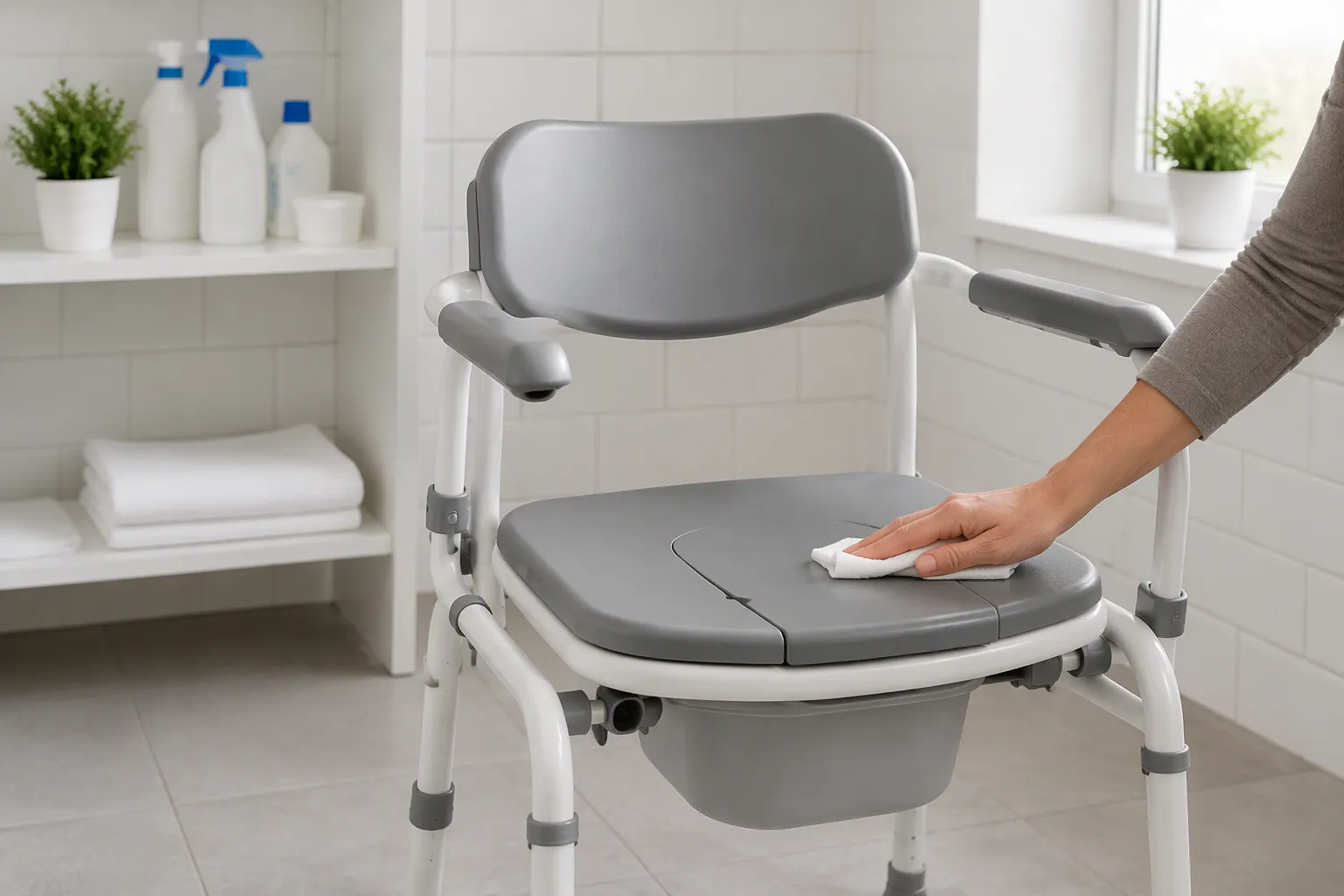
The easiest commode chair to clean is a smooth, non-porous plastic model with a removable seat and minimal seams. Few crevices, wipe-down surfaces, and quick-dry materials mean less scrubbing time. This design suits caregivers who balance caregiving tasks with tight schedules. A bedside commode made this way simplifies daily cleaning and supports efficient caregiving routines. Padded and stainless steel chairs also serve users well, yet each demands more cleaning effort or specific care during caregiving shifts.
The Short Answer: Plastic Wins on Cleaning Speed
Plastic commode chairs outperform other materials on cleaning speed for one simple reason: the surface works with the caregiver, not against them. A smooth plastic frame offers nowhere for waste or bacteria to settle. A quick wipe handles most daily messes. This material choice directly supports caregiving schedules that leave little room for extended cleaning sessions.
Why Plastic Chairs Clean Fastest
Non-Porous Surface Wipes Clean in Seconds
A non-porous plastic surface repels liquids and resists absorption. Spills stay on top of the material. A disinfecting wipe glides across the surface and lifts residue in one pass. Caregivers do not need to scrub the surface to reach embedded particles. The plastic does not soak up moisture, odors, or staining agents. This quality makes cleaning faster than porous alternatives. A textured or padded surface traps material in tiny spaces. A smooth plastic surface keeps everything within reach of a single wipe.
Removable Seat Exposes Hidden Areas
A removable seat transforms the cleaning process. The caregiver lifts the seat off the frame and gains full access to the rim, the bucket opening, and the underside of the seating area. These zones collect the most residue during daily use. A fixed seat forces the caregiver to clean around corners and reach into tight gaps. A removable seat eliminates that struggle. The caregiver cleans each component separately and reassembles the chair in seconds. This design feature alone reduces the amount of scrubbing required during routine caregiving tasks.
Minimal Seams Mean Fewer Crevices
Every seam on a commode chair creates a hiding place for dirt and moisture. Plastic chairs with molded, seamless construction eliminate most of these problem areas. The frame and seat connect at few points. Each connection point stays accessible for a quick wipe. Chairs with multiple joints, hinges, and adjustable components demand more attention during cleaning. A seamless plastic design skips the scrub brush entirely. The caregiver wipes the surface and moves on. This simplicity defines the easiest commode chair to clean for time-pressed caregiving shifts.
What “Easy to Clean” Really Means
Fewer Steps From Soiled to Ready
A chair that requires five steps to clean slows the caregiver down. A chair that requires two steps keeps the caregiving routine on track. Plastic chairs with removable seats and smooth surfaces cut the cleaning process to a wipe, a rinse, and a dry. The caregiver does not need to disassemble multiple parts or apply special treatments. Fewer steps translate to faster turnaround between uses. This efficiency matters during caregiving when multiple tasks compete for attention. A streamlined cleaning process supports better hygiene and less fatigue.
Faster Drying Between Uses
Moisture left on a commode chair creates a slip risk and a breeding ground for bacteria. Plastic and coated surfaces air-dry quickly after a wipe-down. The material does not hold water in its structure. A dry cloth or a few minutes of air exposure completes the drying step. Padded upholstery and porous materials hold moisture for much longer. The caregiver must dry these surfaces actively or wait before the next use. Fast drying keeps the chair ready for the next caregiving task without delay. This quality delivers the easiest cleanup in high-frequency care settings.
No Special Tools or Products Needed
An easy-to-clean commode chair works with standard supplies. Disinfecting wipes, a spray bottle, and a cloth handle the job. The caregiver does not need a scrub brush, a steam cleaner, or specialty chemicals. Plastic surfaces tolerate common disinfectants without damage. The caregiver avoids reading labels and mixing solutions. This simplicity supports caregiving in home settings and facilities alike. A bedside commode that cleans with basic supplies saves time and reduces supply costs. The caregiver focuses on the person, not the equipment.
Key Features That Make the Easiest Commode Chair to Clean
Smooth, Non-Porous Surfaces
How Surface Texture Affects Wipe-Down Time
Surface texture determines how long a caregiver spends on each wipe-down. A smooth surface lets a cloth or disinfecting wipe glide across the material in one continuous motion. A textured surface interrupts that motion. The cloth catches on raised bumps and drags residue into shallow depressions. The caregiver must return to the same spot multiple times. Each pass adds seconds to the task. Over a full day of caregiving, those seconds accumulate into minutes of lost time.
A smooth finish also reduces the pressure a caregiver must apply. Light contact removes most soil from a non-porous surface. Textured plastic demands firmer pressure to reach material lodged in the grain. Firm pressure tires the hand and wrist during repeated cleaning. A smooth surface keeps the effort low and the pace steady. This difference explains why a smooth plastic chair earns the label of easiest commode chair to clean for busy households.
Why Non-Porous Beats Textured or Padded Finishes
Non-porous materials reject liquids at the surface. Urine, water, and cleaning solutions stay on top of the plastic. A single wipe lifts everything away. Porous materials absorb liquid into tiny openings. The caregiver must draw the material back out through scrubbing or chemical treatment. This extra step slows every cleaning task.
Padded finishes add another layer of difficulty. Upholstery holds moisture deep within its fibers. Odors settle into the padding and resist surface cleaning. A non-porous plastic surface offers no place for odor to develop. The material also resists staining from bodily fluids. A caregiver wipes the surface and inspects the result in seconds. This quick inspection confirms a sanitary surface without extra effort. Non-porous plastic keeps the chair easier to keep sanitary across repeated daily use.
Removable Seat and Bucket
Lifting Out the Seat for Full Access
A removable seat gives the caregiver direct access to every surface that contacts waste. The caregiver lifts the seat free of the frame and sets it aside. The rim, the bucket opening, and the underside of the seat all become visible at once. Each part cleans as a separate piece. The caregiver reaches every edge without contorting the hand or the wrist.
Fixed seats force the caregiver to clean around permanent obstructions. Residue collects under the seat lip and along the frame connection. The caregiver cannot see these areas clearly. A removable seat removes the guesswork. The caregiver inspects each component in full light and confirms a clean surface before reassembly. This design choice makes cleanup easier during every caregiving shift.
Snap-Off Buckets vs. Fixed Receptacles
A commode with a removable pail simplifies the most unpleasant part of the cleaning routine. The caregiver lifts the pail out by its handle and carries it directly to the toilet or sink. No bending into the frame. No reaching under the seat. The pail empties, rinses, and returns to the frame in under a minute.
A fixed receptacle forces the caregiver to clean in place. The caregiver must reach into the frame with a cloth or brush. Splash risk rises. The task takes longer and demands more physical effort. An easy-access removable pail also supports thorough rinsing. The caregiver rinses all interior surfaces and inspects the base for residue. A tight-fitting lid and a removable pail work together to control odors between uses. The lid seals the contents, and the removable pail allows a full wash after each emptying. This combination supports simpler cleaning and better hygiene in shared living spaces.
Minimal Crevices and Seams
Where Dirt Hides on a Bedside Commode
Dirt collects in predictable locations on any bedside commode. Hinges trap residue with every opening and closing. Joints between the frame and seat hold moisture after each wipe. Adjustable legs create gaps where dust and splash settle. Molded handles and grip textures add dozens of small recesses. Each location demands individual attention during cleaning.
A chair with many seams turns a two-minute task into a ten-minute scrub. The caregiver must work a brush or cloth into each gap. Missed spots become odor sources and bacterial reservoirs. Caregivers learn to recognize these trouble zones through experience. They also learn which chair designs reduce the number of zones they must track.
Seamless Designs That Skip the Scrub Brush
Seamless construction removes the hiding places before they form. Molded plastic frames join at few points. Each connection stays open and reachable. The caregiver wipes the frame in one pass and moves to the next area. No brush. No repeated passes. No hidden residue.
Several design features work together to minimize crevices and seams. The table below summarizes how each feature supports faster cleaning.
| Design Feature | How It Minimizes Crevices and Seams |
|---|---|
| Smooth surfaces without deep seams | Eliminates recessed areas where dirt and moisture collect, making cleaning easier |
| Sealed bucket and sealed surfaces | Prevents liquid and debris from entering gaps, reducing buildup in joints |
| Smooth, nonporous surfaces | Easier to wipe clean than textured plastic, as contaminants cannot lodge in pores |
| Tool-free removable parts (pan, bucket) | Allows full access for cleaning around hinges and joints, preventing hidden crevice buildup |
| Drainage openings and removable pan | Supports thorough rinsing and removal of residue that would otherwise accumulate in seams |
A seamless chair with a removable pail and sealed surfaces gives the caregiver full pail access without tools. The caregiver lifts the pail, rinses the interior, and wipes the frame in a single sequence. This workflow defines the standard for fast, reliable cleaning in daily caregiving.
Quick-Dry Materials
Plastic and Coated Surfaces That Air-Dry Fast
Drying time shapes the cleaning workflow more than most people realize. A surface that air-dries in seconds returns to service almost immediately. A surface that holds moisture forces a pause. Plastic and coated commode surfaces dry fast because water cannot penetrate the material. Droplets bead on the surface and evaporate from the top. A dry cloth removes the remaining film in one pass. The chair stands ready for the next use without a waiting period.
Coated metal frames share this advantage. A powder-coated finish seals the metal beneath a smooth layer. Water stays on the coating and evaporates quickly. The caregiver wipes the frame and moves on to other tasks. Fast drying supports back-to-back caregiving demands. A chair that dries in under a minute keeps the daily routine moving. This quality matters most during morning and evening caregiving shifts when time pressure peaks.
Materials That Hold Moisture and Slow You Down
Padded upholstery behaves very differently. Fabric fibers absorb liquid and hold it deep within the weave. Surface wiping removes only the top layer. The padding beneath stays damp for hours. Damp padding creates odor, supports bacterial growth, and feels cold against the skin. The caregiver must dry the upholstery actively with towels or wait for air drying. Neither option fits a tight schedule.
Textured plastic also slows the drying process. Water pools in shallow depressions and resists evaporation. The caregiver must blot each recess or wait for the moisture to lift. Wood and uncoated metal present similar problems. Wood absorbs water and swells over time. Uncoated metal traps droplets in joints and invites corrosion. These materials demand more attention during every cleaning cycle. A caregiver who tracks drying time quickly learns which materials support a fast routine.
Lightweight Frames for Easy Handling
Moving the Chair to the Sink or Shower
A lightweight frame changes how a caregiver approaches cleaning. The caregiver lifts the chair with one hand and carries it to the sink or shower. No dragging. No strain. The chair arrives at the cleaning station in seconds. A heavy frame forces the caregiver to clean in place or recruit a second person for the move. Both options add time and effort to a simple task.
A bedside commode with a lightweight frame also fits into small bathrooms and tight bedroom layouts. The caregiver maneuvers the chair through doorways and around furniture without difficulty. Some models include wheels for even easier transport. The caregiver rolls the chair to the shower, rinses it thoroughly, and rolls it back. This mobility supports thorough cleaning without physical strain. Caregivers who handle multiple chairs during a shift benefit most from this design.
Weight and Grip Considerations for Caregivers
Chair weight affects caregiver safety as much as cleaning speed. A chair that weighs under ten pounds lifts easily with one hand. A chair that weighs over twenty pounds demands two hands and proper body mechanics. Repeated lifting of a heavy chair strains the back and shoulders over time. A lightweight model reduces this risk during every caregiving shift.
Grip design matters just as much as weight. Smooth, rounded handles allow a secure hold with a bare hand or a gloved hand. Narrow or sharp edges dig into the palm during lifting. The caregiver loses grip strength quickly. Wide, textured grips distribute the load across the hand. The caregiver maintains control during the move to the sink. A lightweight frame with well-designed grips lets one person handle the chair alone. This combination supports safe, efficient caregiving without extra help.
How the Main Chair Types Compare
Plastic Commode Chairs
Cleaning Ease and Daily Wipe-Down
Plastic chairs lead the field on cleaning speed. A smooth, non-porous surface accepts a disinfecting wipe and releases soil in one pass. The removable seat and pail lift free for a full rinse. A caregiver completes a daily wipe-down in under two minutes.
Durability and Weight Capacity
Modern plastic frames resist cracking and staining under repeated disinfection. Most standard models support users up to 250 pounds, and reinforced designs carry more. The material holds its shape across years of daily use.
Best Fit: High-Frequency, Time-Pressed Care
Plastic suits households with tight schedules and frequent use. This chair type earns the title of easiest commode chair to clean for good reason. Caregivers who manage back-to-back tasks gain the most from its simple upkeep.
Padded Commode Chairs
Cleaning Ease: Upholstery Care and Dry Time
Padded chairs demand more attention during cleaning. The stitched seams joining the padding present the primary challenge, because bacteria accumulate in these seams more readily than on smooth hard plastic surfaces. Routine cleaning requires extra scrubbing of the padded areas and seams with disinfectant, followed by thorough air drying before reuse. Seams on padded seats belong in a weekly deep-cleaning routine, and cleaning frequency should rise if the chair sees heavy use or the user has an active infection.
Comfort and Pressure Relief Trade-Offs
Padding distributes weight and cushions long sitting sessions. Users with limited mobility or sensitive skin notice the difference. The comfort gain comes at the cost of slower cleaning and longer dry times.
Best Fit: Comfort-First, Longer-Term Use
Padded models fit users who sit for extended periods. Caregiving schedules with more breathing room absorb the extra cleaning steps well.
Stainless Steel Commode Chairs
Cleaning Ease: Wipe-Down With Attention to Joints
Stainless steel wipes down easily, yet joints and welds need focused care. A sound routine follows these steps:
- Rinse the frame with fresh water after each use to remove residual soap, urine, or disinfectant.
- Dry thoroughly with a clean, dry cloth to prevent water spots and buildup, especially around joints and welds.
- Clean weekly with warm water and a mild, pH-neutral detergent; avoid harsh chemicals, bleach, and abrasive pads.
- Inspect routinely for surface wear, discoloration, or corrosion, particularly at weld seams and fittings; contact the manufacturer’s representative if discoloration appears.
- Store the chair in a dry, ventilated space when not in regular use to minimize moisture exposure.
Two extra habits extend the finish:
- Use a dedicated stainless steel cleaner for deeper cleaning of the surfaces.
- Polish the steel parts regularly to protect against corrosion and preserve shine.
Durability and Heavy-Duty Performance
Steel frames tolerate high weight capacities and constant use. The material resists impact and holds alignment over years of service. Facilities value this longevity.
Best Fit: High-Use Facilities and Heavier Users
Stainless steel fits clinics, nursing homes, and homes with heavier users. The bedside commode in these settings sees constant turnover, and steel keeps pace.
Side-by-Side Comparison
Cleaning Time and Effort
A direct comparison shows how each chair type performs across the measures that matter most to busy care teams. The table below summarizes cleaning time, effort, and typical cost.
| Chair Type | Daily Cleaning Time | Effort Level | Typical Price Range |
|---|---|---|---|
| Plastic | Under 2 minutes | Low | $40–$120 |
| Padded | 5–10 minutes plus dry time | Moderate to high | $80–$200 |
| Stainless steel | 3–5 minutes with joint care | Moderate | $100–$300 |
Plastic wins on speed. A caregiver wipes the surface, rinses the pail, and returns the chair to service. Padded chairs add upholstery care and drying time to every caregiving shift. Stainless steel moves quickly on flat surfaces, yet joints and welds demand focused attention.
Cost and Long-Term Value
Upfront price tells only part of the story. Plastic chairs cost the least at purchase and need only basic supplies. Replacement costs stay low because the material tolerates common disinfectants. Padded chairs cost more upfront and require gentle cleaners that protect the upholstery. Upholstery wear may force earlier replacement in high-use settings. Stainless steel carries the highest purchase price, yet its longevity offsets that cost in facilities with constant turnover. Caregiving budgets balance purchase price against years of service.
Regulatory Compliance Considerations
Healthcare buyers must confirm that a commode meets the standards for its market. The table below lists the core requirements.
| Requirement | What it mandates |
|---|---|
| ISO 13485 | Quality management system standard for medical device manufacturers; suppliers should operate within a certified QMS |
| CE marking | Demonstrates conformity with EU health, safety, and environmental directives; required to sell in the European Union |
| FDA registration | Suppliers must obtain an FDA number to register the product with the U.S. Food and Drug Administration for sale in the United States |
| Combined CE/FDA/ISO compliance | Commode and shower chairs for reduced-mobility users must follow all three sets of guidelines |
Product specs also carry weight. Regulated chairs must meet several construction standards:
- Constructed from corrosion-resistant materials such as anodized aluminum or stainless steel to withstand moisture, cleaning agents, and repeated weight-bearing
- Seat surfaces must be non-slip and antibacterial
- Products must be tested to support at least 300 lbs (136 kg)
- Weight capacity must be clearly marked on the product
- Components such as locks, armrests, and tool-free adjust features must be cycle-tested for durability
Institutional buyers such as hospitals, government bodies, and care service providers typically specify documentation in procurement contracts. Suppliers are commonly required to provide testing documents, certification records, and evidence of product traceability through the manufacturing process. Full technical documentation—including material certifications, stability testing reports, and use guidelines aligned with internationally accepted standards—is expected, and an ISO 13485-certified quality system supports rapid response to these documentation requests during tender bids.
Compliance obligations continue after shipment. Products must be labeled with assembly instructions, weight capacity, and cleaning procedures. In markets with unique device identification (UDI) requirements, suppliers must be able to support the applicable labeling. Post-market support—including warranty coverage, parts availability, and customer service—is also part of what regulated healthcare purchasers evaluate when selecting suppliers.
A bedside commode that meets these standards supports safe caregiving in regulated settings. Buyers who weigh cleaning ease against compliance find that plastic, padded, and steel models can all qualify. The right choice depends on the caregiving context and the documentation the supplier provides.
The Best Way to Clean a Bedside Commode: A Quick Routine
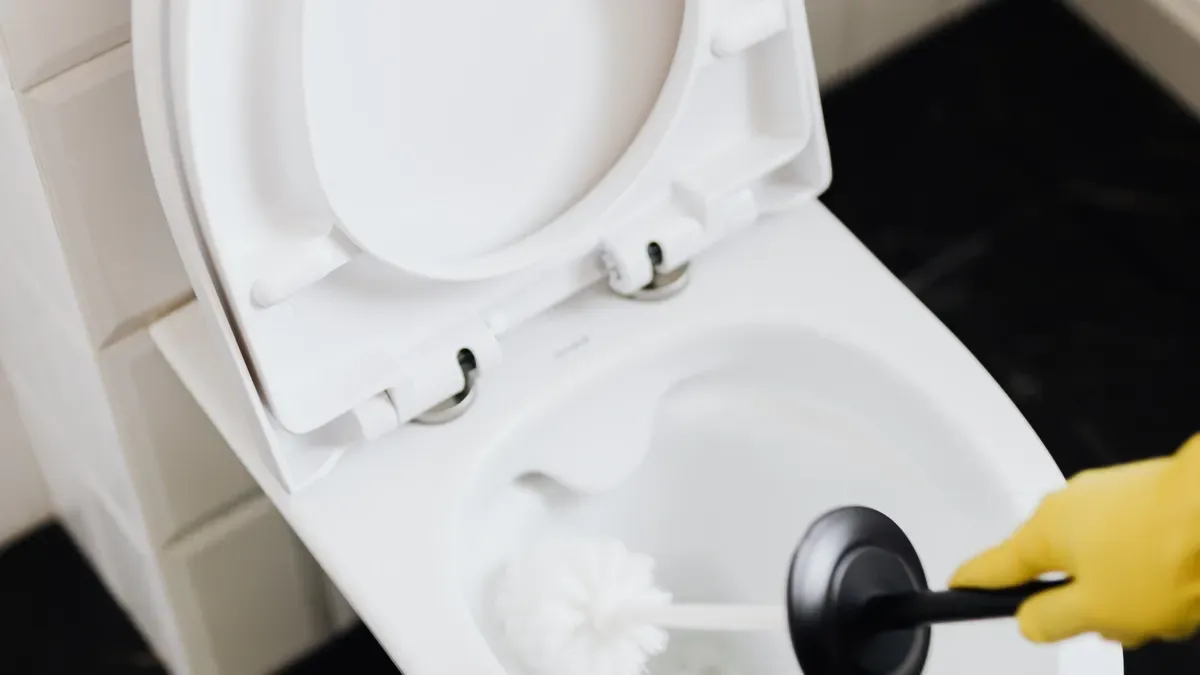
Daily Wipe-Down in Under Two Minutes
Supplies to Keep Within Reach
A caregiver saves time when supplies sit within arm’s reach of the chair. Disposable gloves, an EPA-registered disinfectant spray or wipe, a mild detergent, and a clean cloth cover the daily routine. A small caddy keeps these items together and moves with the chair.
Step-by-Step Wipe-Down Order
The best way to clean a bedside commode follows a fixed sequence. A consistent order prevents missed spots and keeps the task short.
- Put on disposable gloves before starting.
- Remove the pail and slowly empty waste into the toilet to avoid splashing.
- Rinse the pail with warm water, wash with mild detergent, then disinfect with an EPA-registered spray or wipe.
- Rinse again if the label requires it, and let the pail air dry fully before reassembly.
- While the pail airs out, wipe down the seat, lid, and armrests with the same disinfectant, focusing on hinges and seams.
- Leave a small amount of water with diluted disinfectant in the empty pail between uses to control odor.
Cleaning the commode after each use is essential to prevent odor and bacterial buildup; commode liners can simplify cleanup and encourage consistent daily hygiene.
Weekly Deeper Clean
Removing and Cleaning the Seat and Bucket
A weekly session covers the full frame. The caregiver lifts out the removable pail and washes it with detergent, then applies disinfectant and lets it air dry. Cleaning the pail separately exposes the rim and bucket opening for a thorough wipe.
Checking Seams and Joints
The caregiver inspects hinges, seat seams, and the underside of the frame during this deeper clean. Seams where padding is sewn deserve extra attention, because bacteria collect there more readily than on hard plastic. The caregiver wipes these seams thoroughly with disinfectant and allows full air drying before the next use. Caregivers should increase this deep clean when the chair sees frequent use or the user has an active infection.
Habits That Prevent Buildup
Rinse-and-Ready After Each Use
Emptying and rinsing the pail after every use stops residue from hardening. A quick rinse takes seconds and eases the next cleanup. This habit supports keeping a bedside commode sanitary across the day.
Storing Supplies Where Cleaning Happens
A stocked caddy beside the chair removes extra steps from every cleaning task. Caregivers who clean a bedside commode several times a day notice the difference. Good caregiving depends on small efficiencies like this one.
How Caregivers Can Clean a Bedside Commode With Less Effort
Choosing Chairs That Support One-Person Care
Rear-Opening Seats for Easier Access
A rear-opening seat lets one person reach the bucket area without lifting the user or removing the whole seat. The caregiver opens the rear section, gains direct access to the pail, and completes the task from a standing position. This design reduces bending and reaching during caregiving. Chairs with under-seat cut-outs also let users handle intimate hygiene themselves, which lowers the assistance a caregiver must provide. Adjustable armrests and footrests further smooth transfers between the bed and the chair, so one person can manage the move safely.
Lightweight and Wheeled Options for Maneuverability
Wheeled commode chairs let a caregiver push and fix the chair easily, which reduces the burden and injury risk of carrying a user from room to bathroom. Non-slip solid wheels with rear wheel brakes keep the chair fixed during use. Anti-slip footrests and safety brakes add stability and lower fall risk. These features support one-person caregiving in several practical ways:
- Height adjustability sets an ergonomic working height and reduces physical strain.
- Tilt-in-space maintains stable seating and lessens manual repositioning.
- A mobile design allows bed-to-bathroom movement with the user seated, eliminating extra transfers.
- Adjustable armrests and footrests assist standing and sitting during transfers.
Fast-Clean Supplies That Save Steps
Disinfecting Wipes and Hospital-Grade Sprays
The right supplies shorten every cleaning task. An EPA-registered disinfectant spray or wipe outperforms general household cleaners on the pail and all touched surfaces. Caregivers managing a loved one’s care should follow the label contact time and rinse instructions. Disposable liners simplify cleanup for caregivers, especially overnight. A tight-fitting lid controls odor between uses. For chairs such as the Etac Clean Shower Commode Chair, the manufacturer specifies a solvent-free cleaning agent or a 70% disinfectant solution.
Rinse, Disinfect, and Air-Dry the Bucket
A fixed three-step routine keeps the bucket sanitary. First, empty and rinse the pail into the toilet to avoid splashing. Second, wash with mild detergent and apply disinfectant. Third, let the bucket air-dry fully before reassembly. A small amount of water left in the empty pail keeps waste from sticking. This sequence represents the best way to clean a bedside commode on a tight schedule. Caregivers who clean a bedside commode several times a day benefit from a stocked caddy beside the chair. They rinse the pail after each use and disinfect it once daily. Consistent cleaning a bedside commode prevents odor and bacterial buildup. A caregiver who masters this routine can clean a bedside commode in under two minutes, and that speed sustains quality caregiving across long shifts.
Trade-Offs to Weigh Before You Choose
Cost vs. Cleaning Convenience
Upfront Price of Plastic vs. Padded vs. Steel
Plastic commode chairs carry the lowest purchase price of the three main types. Padded models cost more because upholstery and cushioning add materials and labor. Stainless steel sits at the top of the price range. A buyer pays a premium for steel construction and heavy-duty performance. The cheapest chair does not always deliver the best value, yet plastic offers the strongest cleaning convenience for the money.
Replacement and Maintenance Costs Over Time
Maintenance costs shift the long-term picture. Plastic tolerates common disinfectants and needs only basic supplies. Padded chairs require gentle cleaners that protect the fabric, and worn upholstery may force early replacement. Steel demands periodic polishing and joint inspection, yet the frame lasts for years. Caregivers who track supply and replacement spending often find that plastic keeps total costs low in home settings.
Durability and Weight Capacity
Matching the Chair to the User’s Needs
Weight capacity should match the user before price or style enters the decision. Standard plastic models support most users, and reinforced designs carry higher limits. Padded chairs add comfort for long sitting sessions. Steel frames serve heavier users and constant turnover. A caregiver who matches the chair to the user avoids premature wear and unsafe conditions.
When Heavy-Duty Construction Matters
Heavy-duty construction matters in facilities and in homes with heavier users. Steel frames resist impact and hold alignment across years of service. Reinforced plastic handles frequent use well in most households. A bedside commode in a high-turnover setting benefits from steel, while a single-user home rarely needs that level of build.
Compliance and Safety Features
What to Check on Product Specs
Buyers should confirm weight capacity, non-slip seating, and corrosion-resistant materials on the spec sheet. Certification records and testing documents support regulated purchases. Clear labeling of assembly, capacity, and cleaning procedures rounds out a compliant product.
Balancing Compliance With Cleaning Ease
Compliance and cleaning ease can coexist. Smooth plastic surfaces meet sanitary standards and wipe down fast. Steel and padded models also qualify when suppliers document the required testing. Caregiving teams weigh both factors and choose the chair that satisfies regulations without adding cleaning steps. That balance keeps daily caregiving efficient and safe.
A smooth, non-porous plastic commode chair with a removable seat and minimal seams remains the easiest commode chair to clean on a tight schedule. Plastic wins on speed and simplicity, padded chairs fit comfort-first situations, and stainless steel fits high-use, heavy-duty settings. Caregivers can keep any bedside commode manageable with a two-minute daily routine plus a weekly deeper clean. This approach supports efficient caregiving across every shift. Consistent caregiving habits protect hygiene and reduce effort. Reliable caregiving starts with the right chair and a simple cleaning plan. Smart caregiving choices keep the commode ready for the next use.
FAQ
Which commode chair material dries fastest after a wipe-down?
Smooth plastic and powder-coated surfaces shed water quickly. Droplets bead on top and evaporate fast. Padded upholstery holds moisture for hours and slows the next use.
Does a removable bucket really save time?
Yes. A caregiver lifts the pail by its handle and carries it straight to the toilet. Emptying, rinsing, and disinfecting take under a minute. Fixed receptacles force awkward reaching into the frame.
How often should a caregiver deep clean a bedside commode?
A weekly deep clean covers seams, hinges, and the frame underside. Caregivers should increase frequency when the chair sees heavy use or the user has an active infection.
Can one person manage a commode chair alone?
Lightweight frames under ten pounds lift with one hand. Rear-opening seats and wheeled models reduce bending and transfers. Wide, rounded grips keep the hold secure during moves.
Do padded chairs take longer to clean than plastic?
Yes. Upholstery seams trap bacteria and demand extra scrubbing. Padded seats also need full air drying before reuse. Plastic wipes down in one pass with no dry time.
What supplies does a fast daily routine require?
Gloves, an EPA-registered disinfectant, mild detergent, and a clean cloth cover the task. A stocked caddy beside the chair removes extra steps from every cleaning session.
Is stainless steel harder to maintain than plastic?
Steel wipes down easily on flat surfaces. Joints and welds need focused care, plus periodic polishing. Plastic needs only basic supplies and tolerates common disinfectants without damage.
Which chair suits a high-turnover care facility?
Stainless steel handles constant use and heavier users. Reinforced plastic works well in single-user homes. Facilities should confirm certification records and weight capacity on the spec sheet.